Curated Collections

By plottie

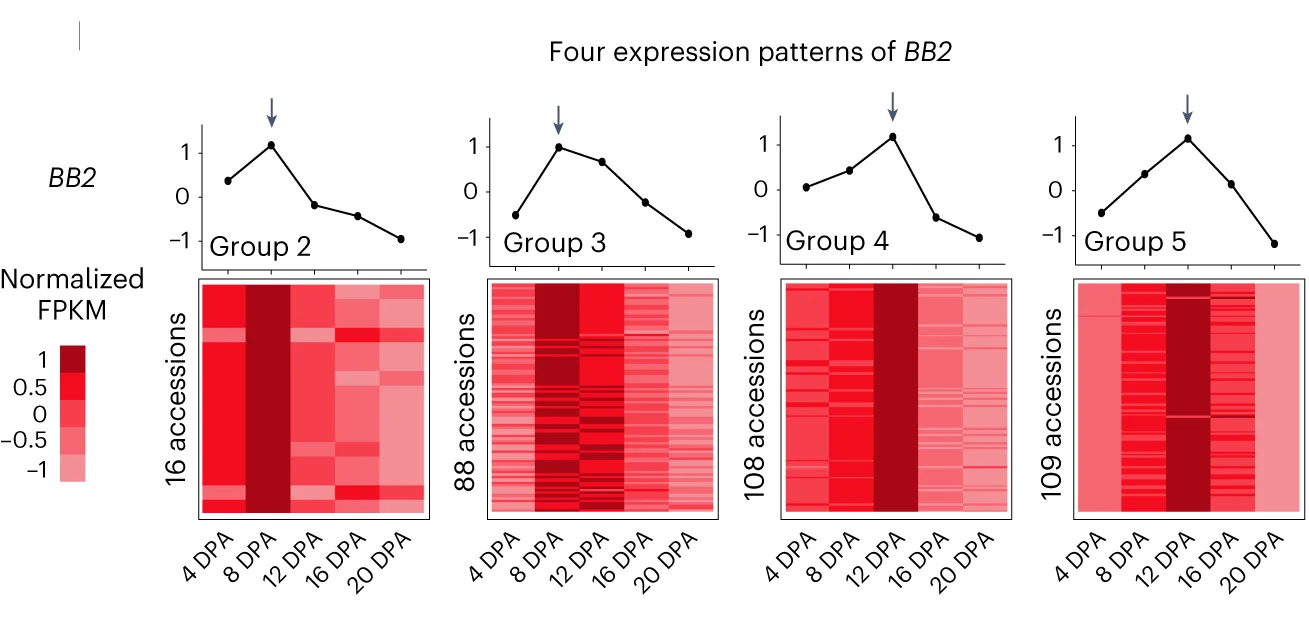
Expression profiles of Ghir_D05G007220 (BB2) in 340 accessions were divided into eight expression groups. The figure shows the four larger expression groups. Heatmaps showing normalized FPKM in each accession at each timepoint. Line charts showing the mean expression of accessions at each timepoint. The arrow points to the timepoint with the highest mean expression.
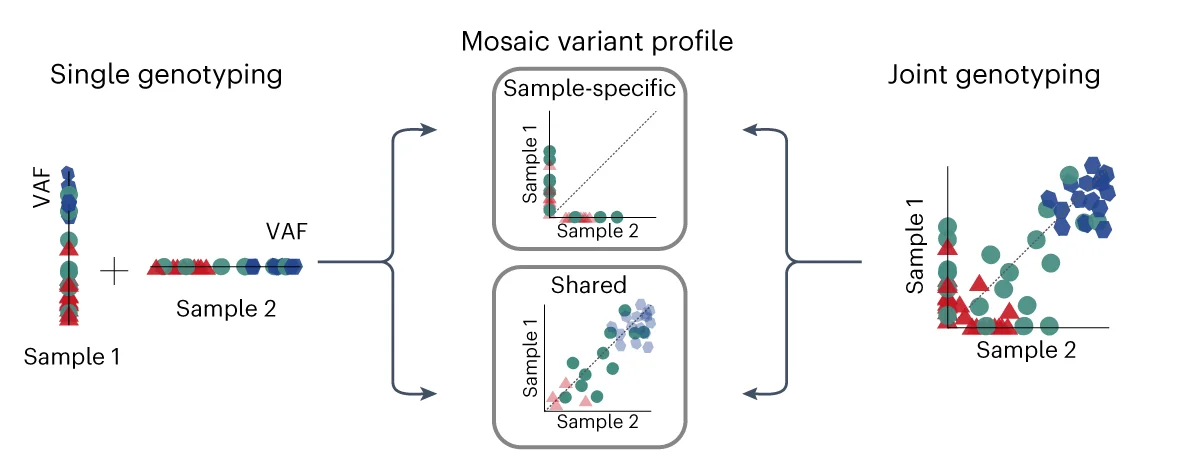
Single and joint genotyping described to detect shared and sample-specific variants. Whereas single genotyping detects variants for each sample and take intersections or differences of the call set, joint genotyping takes both samples simultaneously.
Comparisons of Christensenellaceae/Christensenellaceae_R-7_group among divergent RFI and PA groups, respectively
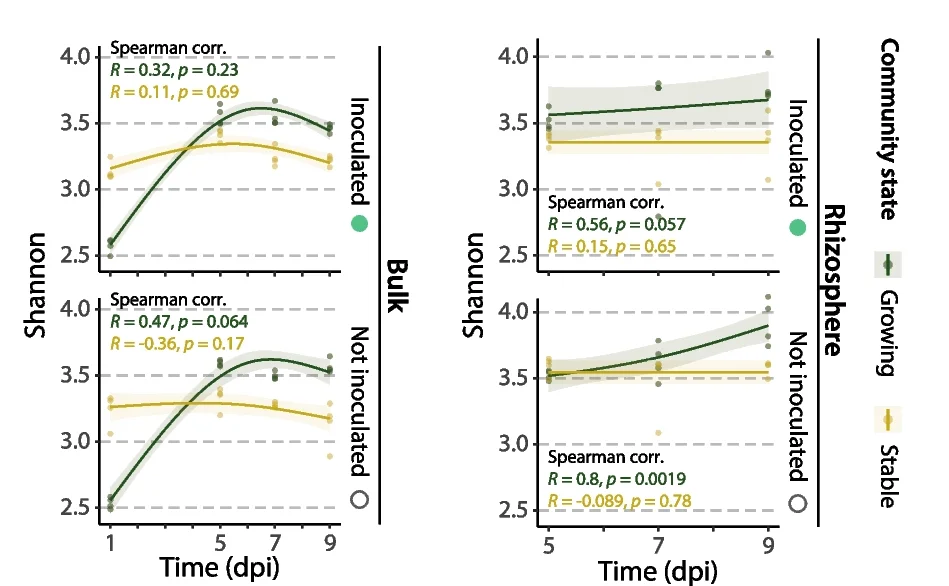
Spearman correlation between the Shannon diversity index and sampling time in growing (green) or stable (yellow) community states. Correlation coefficient ( R ) and p -value ( p ) are indicated with the colour according to the growing state. Curves represent the general additive model (GAM) fit (average, line) and the 95% confidence interval (shadow)

Multiple Panel Plot

Multiple Panel Plots (faceted plots or small multiples) enable powerful multi-dimensional data visualization by displaying related graphs in organized grids. This extensive collection showcases publication-quality examples from diverse scientific fields, demonstrating effective data comparison across conditions, time points, or experimental groups. Perfect for researchers analyzing complex datasets, dose-response curves, time-series data, or multi-condition experiments. Master techniques for creating consistent, publication-ready multi-panel figures using ggplot2 facets, matplotlib subplots, and specialized tools like cowplot and patchwork for professional scientific data visualization.

377 plotsUpdated 5 months ago
PC-3 cells were equipped with the CaDoxtCD19EGFP system to express tCD19 and EGFP upon FUS activation.
Schematic of the custom-built FUS stimulation set-up for small animals. A Python-controlled user interface was used to define stimulation patterns and parameters, which directed a function generator and power amplifier to drive the FUS transducer. Temperature changes in the tumour region were monitored by a needle-type thermometer during the 30 min stimulation window. PNP, peak negative pressure. Panel a created with BioRender.com.
Schematic illustration of the experimental workflow showing PC-3-CaDox-mCherry cell-derived organoid formation, FUS stimulation (2 MHz, 1 min on/4 min off, six cycles), doxycycline (200 nM) treatment and mCherry imaging 6 h post-activation. Panel a created with BioRender.com.
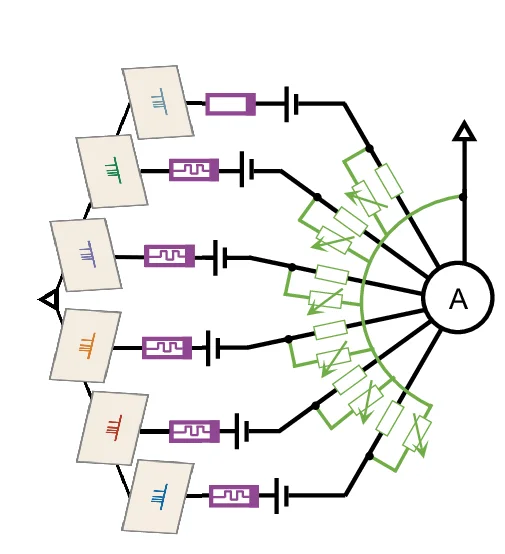
Circuit of an array consisting of 6 hybrid artificial neurons for handwritten digit recognition.

Flowchart

Flowcharts provide essential visual frameworks for illustrating scientific processes, experimental protocols, and analytical pipelines. This comprehensive collection features publication-quality flowchart examples from bioinformatics workflows, clinical algorithms, and laboratory procedures. Invaluable for researchers documenting computational pipelines, diagnostic pathways, or standard operating procedures. Learn to create clear, professional flowcharts following scientific standards using draw.io, Lucidchart, mermaid diagrams, and specialized workflow visualization tools for reproducible research documentation.

303 plotsUpdated 5 months ago
B6C3F1 mice (n = 8 animals per group for 0–24 h and n = 3 animals per group for 24–96 h) inoculated with 10 6 HM-1-luc tumour cells on day 0 were administered fluorescently tagged NPs carrying 20 µg of IL-12 (or an equivalent dose of free IL-12) on day 14. Whole-animal imaging NP fluorescence (a) and IL-12 fluorescence for UL (b) and LbL (c) NP treatments are shown from the i.p. space collected over time post-dosing (mean ± s.d.).
Tumour volume measurements over time using caliper-based assessments. Adjusted P values at end-point are as follows: in d , P = 0.0076; in h , P = 0.0037. Each line represents the group mean ± s.e.m. ( n = 4 mice per group). Statistical significance was determined using two-way ANOVA with Tukey’s multiple comparisons test (two-sided). ** and **** denote adjusted P < 0.01 and P < 0.0001, respectively.
Calcium response profiles of PC-3-derived organoids ( n = 5) expressing R-Geco1 upon FUS stimulation (60–120 s).
Time evolution of the distance between the k th nearest neighbours for the simulation data. The brighter areas indicate the standard deviation from the mean for the corresponding colour.

Line Plot

Line Plots excel at showing trends, time-series data, and continuous relationships across all scientific disciplines. This extensive collection features diverse line plot applications from growth curves, reaction kinetics, to climate data visualization. Essential for researchers tracking changes over time, comparing multiple series, or showing dose-response relationships. Discover techniques for creating clear, publication-quality line plots with proper scaling, annotations, and multi-series comparisons using ggplot2, matplotlib, and specialized time-series visualization tools.

180 plotsUpdated 5 months ago
weight-normalized tissue IL-12 fluorescence 1 day after dosing in UGT and omentum (mean ± s.d.).
Quantitation of PD1 MFI of T cells in tumour nodules
Compared to animals injected with dCas9-KRAB-MeCP2 plus NT sgRNA ( n = 16), animals injected with dCas9-KRAB-MeCP2 plus Arc sgRNA ( n = 12) showed impaired memory recall. Data are means ± s.e.m. compared by a one-tailed, unpaired t -test.
Compared to animals injected with dCas9-KRAB-MeCP2 plus NT sgRNA ( n = 16), animals injected with dCas9-KRAB-MeCP2 plus Arc sgRNA ( n = 12) showed impaired memory recall. Data are means ± s.e.m. compared either by two-way ANOVA with Sidak’s and Fisher’s post hoc tests.

Bar Plot with Error Bars

Bar Plots with Error Bars are fundamental for presenting quantitative comparisons with statistical uncertainty in scientific research. This extensive collection showcases publication-quality examples from molecular biology, clinical trials, and experimental psychology. Critical for researchers displaying means with confidence intervals, standard errors, or standard deviations across experimental conditions. Master proper error bar implementation, statistical annotation, and visual design using ggplot2, matplotlib, GraphPad Prism, and specialized tools for creating accurate, reproducible scientific figures.

171 plotsUpdated 5 months ago
Quantification of mCherry fluorescence intensity in individual organoids from the four treatment groups: NC ( n = 10), FUS only ( n = 5), Dox only ( n = 12) and Dox + FUS ( n = 13). Each dot represents one organoid (biological replicate). Data are presented as mean +/- s.e.m. Statistical significance was determined using ordinary one-way ANOVA with Tukey’s multiple comparisons test (two-sided). Adjusted P values are as follows: NC versus Dox + FUS, P < 0.0001; FUS versus Dox + FUS, P < 0.0001; Dox versus Dox + FUS, P < 0.0001; all other comparisons were not statistically significant ( P > 0.28). **** denotes adjusted P < 0.0001.
ϕ rot measured at different points of the slow ramp of Ω from 0 to 2π × 8 Hz in 200 ms. The orange and green lines are a guide to the eye for the unsynchronized and synchronized cases, respectively. Experimental parameters: trap frequency [ ω ⊥ , ω z ] = 2π × [50.3(4), 140.1(5)] Hz, N ≈ 69,000, B = 18.30(2) G.
Foxa1 binding sites that were either common to both tumor and liver mets, tumor-unique or liver metastasis-unique (gained). The data have been analyzed using negative binomial GLM as a part of the DiffBind package at P adj < 0.05 threshold.
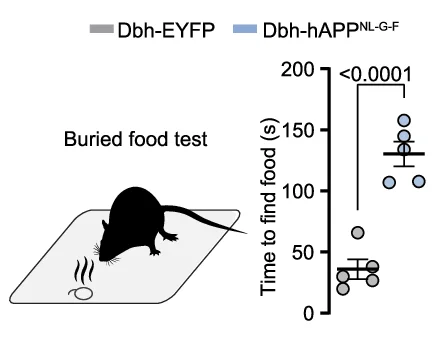
Buried food test shows that Dbh - h App NL-G-F mice need more time to find the food pellet than Dbh -EYFP control injected mice. ( Dbh - EYFP : n = 5 vs. Dbh - h App NL-G-F : n = 5).

Scatter Plot

Scatter Plots form the foundation of exploratory data analysis across all scientific disciplines, revealing patterns, correlations, and outliers. This extensive collection showcases diverse scatter plot applications from basic correlations to advanced techniques like UMAP dimensionality reduction and PCA visualization. Essential for researchers in genomics, drug discovery, and quantitative biology analyzing high-dimensional data, clustering results, or multivariate relationships. Discover best practices for creating publication-quality scatter plots with proper scaling, coloring, and annotation using ggplot2, matplotlib, seaborn, and specialized tools for scientific data visualization.

168 plotsUpdated 5 months ago
Temporal changes in coarse-grained cluster proportions in the CM, EC and MC–FB subsets across four developmental age groups (5.5–6, 7–8, 9–11 and 12–14 PCW). 2x, 3x, 4x increase; 2x, 3x, 4x decrease between the 5.5–6 and 12–14 PCW age groups.
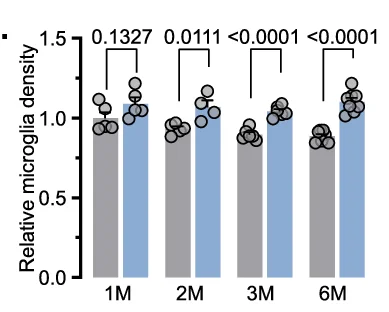
Quantification of relative microglia density and (C57BL/6 J at 1,2,3,6 months: n = 5,5,6,7 and App NL-G-F at 1,2,3,6 months: n = 5,4,6,8)
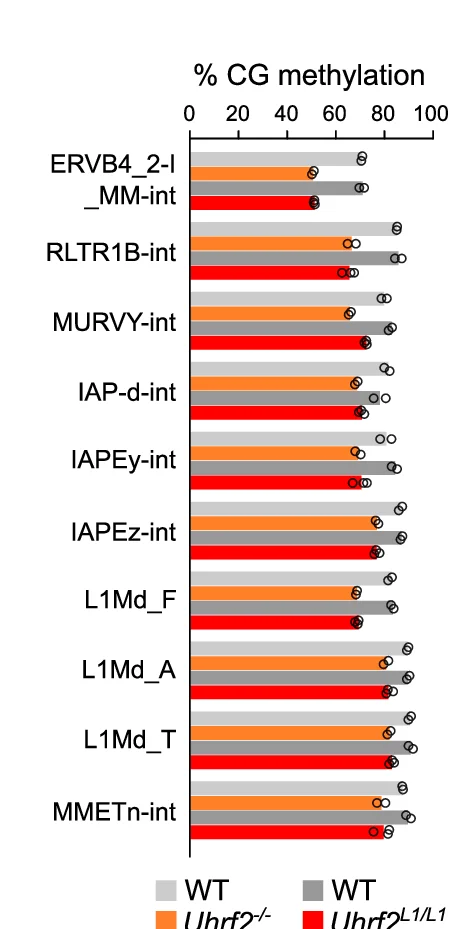
Mean methylation levels of selected ERV and L1 families in Uhrf2 -deficient compared to WT spermatozoa ( n = 2 or 3 animals per genotype).
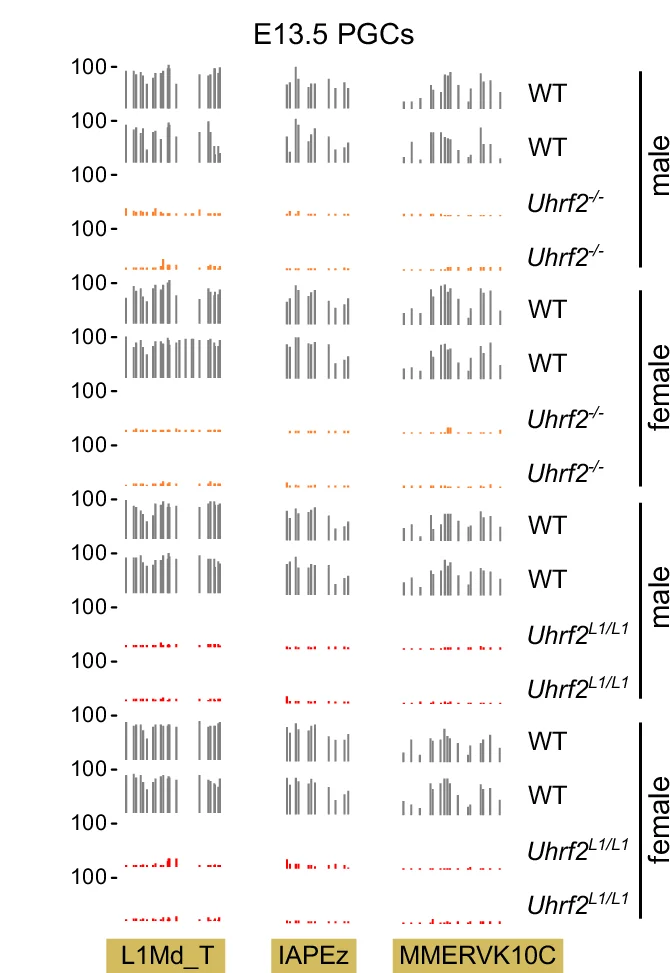
Examples of RRBS methylation profiles of retrotransposons in Uhrf2 -mutant and WT E13.5 PGCs (L1Md_T chr8: 91,423,000–91,423,500; IAPEz chr18: 55,320,600–55,320,800; MMERVK10C chr16: 31,218,700–31,219,000). Source data are provided as a Source Data file.

Bar Plot

Bar Plots remain fundamental for comparing categorical data across scientific disciplines, from molecular biology to clinical research. This comprehensive collection features publication-quality bar plot examples demonstrating effective data presentation, error bar usage, and statistical annotation. Essential for researchers presenting gene expression levels, treatment comparisons, or survey results. Master best practices for creating clear, accurate bar plots with proper baseline, spacing, and statistical indicators using ggplot2, matplotlib, GraphPad Prism, and other scientific plotting tools.

139 plotsUpdated 5 months ago
Simulation of a device as in b with a graphene monolayer and  = 1. An avoided crossing with  = 0.18 is observed.
Enrichment of canonical cell type markers across coarse-grained single-cell clusters. Dashed rectangles highlight consensus markers of CMs, ECs and FBs.
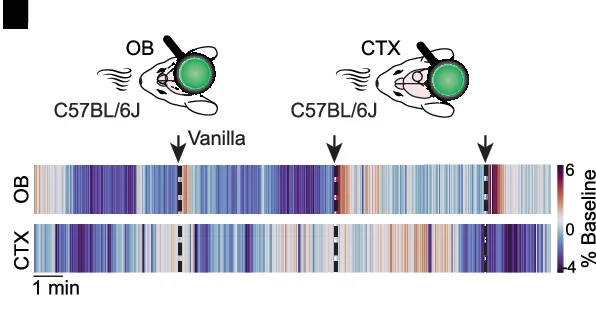
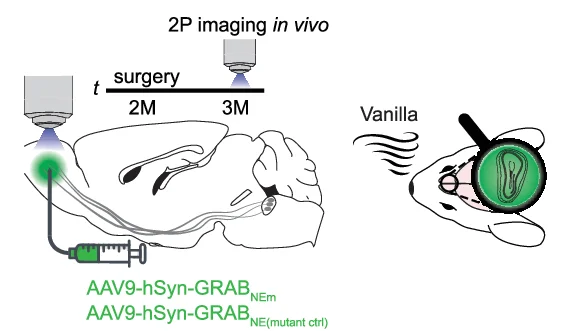
NA release measured in the OB and cortex (CTX) of a C57BL/6 J mouse following three consecutive vanilla air puffs in comparison to the same stimuli in the OB. Graphic modified from Petrucco, L. (2020). Mouse head schema. Zenodo. https://doi.org/10.5281/zenodo.3925903 .
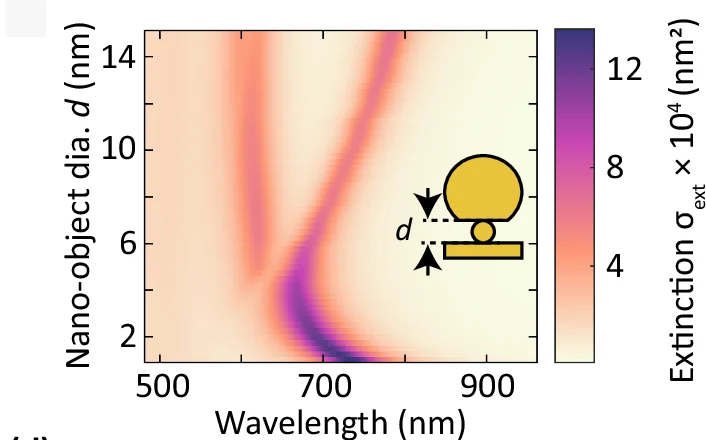
Extinction cross-section (ext ) spectra of a Au nano-object inside nanocavity for different nano-object diameters.

Heatmap

Heatmaps excel at visualizing matrix data patterns in genomics, proteomics, and multivariate analysis across scientific fields. This extensive collection features publication-quality heatmap examples from gene expression profiling, correlation matrices, and spatial data analysis. Critical for researchers performing clustering analysis, differential expression studies, or multi-condition comparisons. Master advanced heatmap techniques including hierarchical clustering, annotation tracks, and color scale optimization using R ComplexHeatmap, Python seaborn, and specialized bioinformatics visualization tools.
136 plotsUpdated 5 months ago
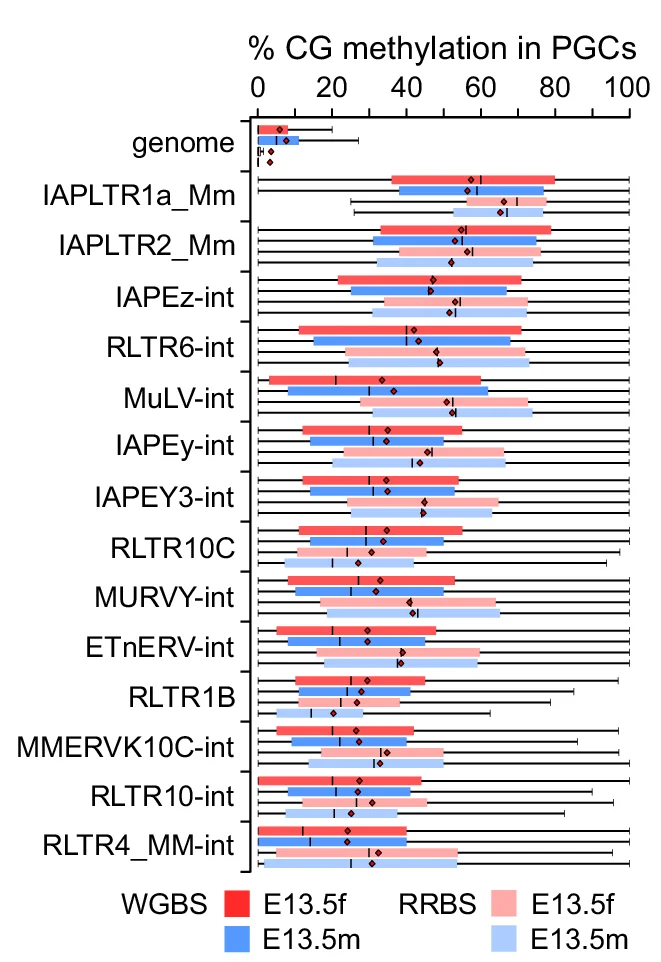
Methylation of the top methylated retrotransposon families compared to the whole genome in E13.5 PGCs. The boxplots show the distribution of methylation levels of individual CpGs overlapping with individual copies of each retrotransposon family in the WGBS or RRBS datasets. On average, 69% and 12% of the total number of individual genomic copies are covered in the WGBS and RRBS datasets, respectively. The numbers of CpGs and individual copies covered in each dataset are given in the source data file.
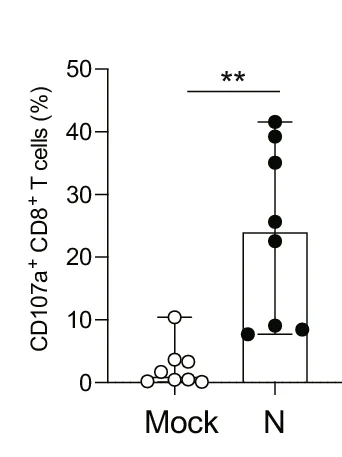
A statistically significant difference is determined by Wilcoxon matched-pairs signed rank test (** p = 0.0078; versus mock). c The assay was performed in triplicate, and the median is shown.
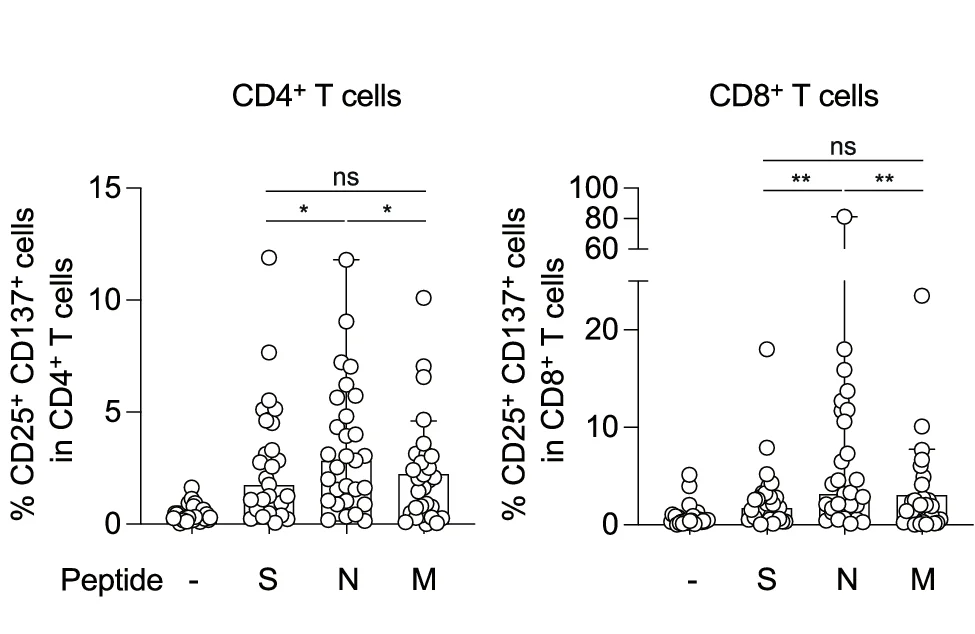
The median percentages of CD25 + CD137 + CD4 + or CD8 + T cells in convalescent donors ( n = 29), and statistically significant differences in CD25 + CD137 + CD4 + T cells after stimulation with the N pools between the indicated peptides (* p = 0.0474 and * p = 0.025; versus S and M pools, respectively) and in CD25 + CD137 + CD8 + T cells after stimulation with the N pools between the indicated peptides (** p = 0.0014 and ** p = 0.0017; versus S and M pools, respectively) are determined by a two-tailed Wilcoxon matched-pairs signed-rank test. ns, no statistical significance. Data are expressed as median. See also Supplementary Fig. 1a (Gating strategy). See also Table 1 (donor information).
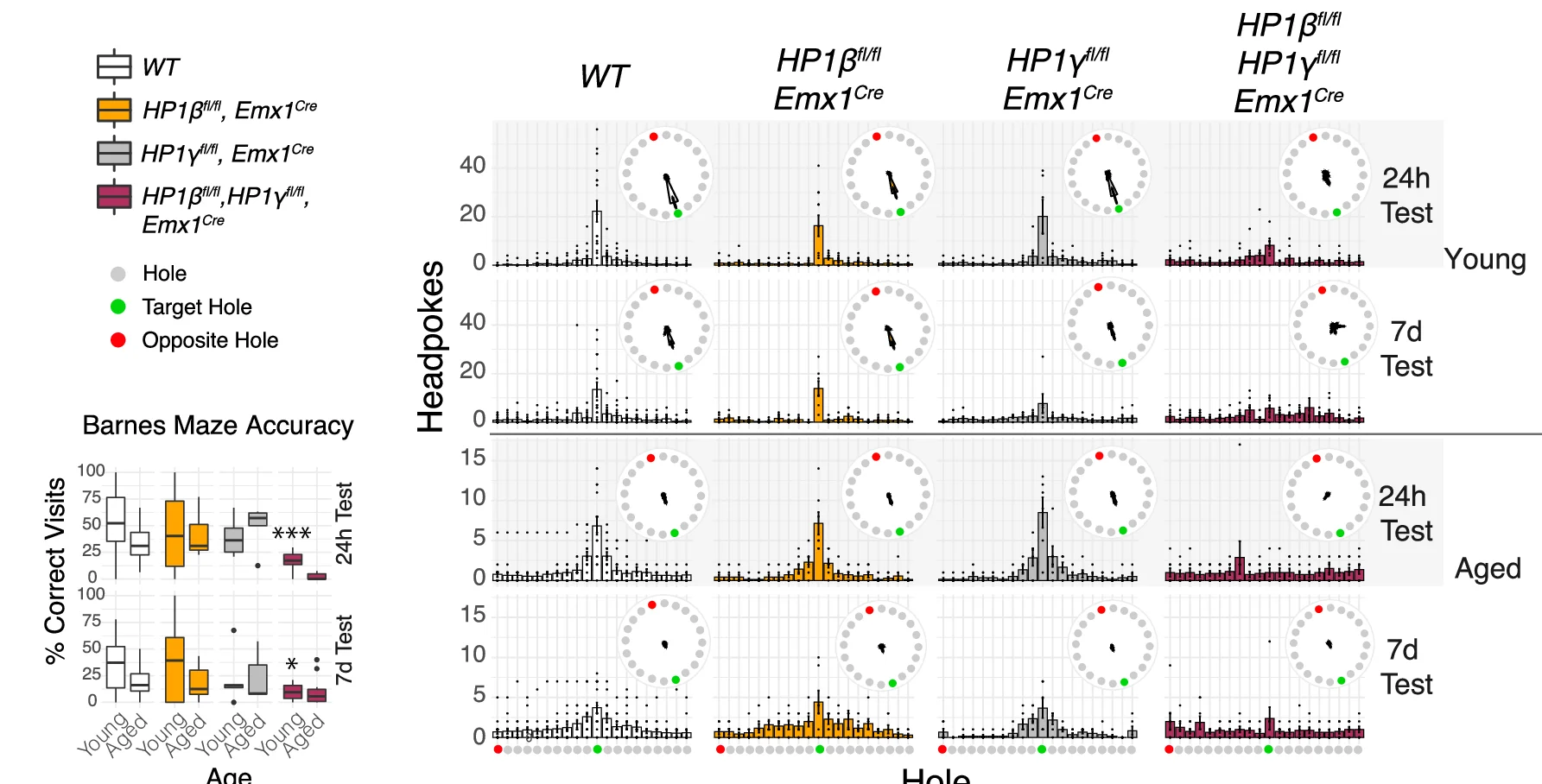
Histograms of performance in the circular Barnes Maze (mean count ± SEM & raw data points, green = target hole, red = opposite). Histograms plot mean headpokes ±SEM. of n WT(young) = 18, n WT(aged) = 16, n HP1βKO(young) = 11, n HP1 β KO(aged) = 7, n HP1γKO(young) = 6, n HP1γKO (aged) = 5, n HP1β/γ DKO (young) = 11, n HP1β/γ DKO (young) = 12. Two way ANOVA, Bonferroni adjustment on multiple comparison, two-tailed. HP1β/γ DKO young vs WT young 24 h test p = 0.0009. HP1β/γ DKO young vs WT young 24 h test p = 0.0081. Box and whisker plots ( a , b ) display median, bounds of box at 25 th and 75 th percentiles, and whiskers to farthest datapoint within 1.5 * the interquartile range. All raw data can be seen in the Source Data file.

Box Plot

Box Plots (box-and-whisker plots) are statistical workhorses for comparing distributions across groups in experimental research. This comprehensive collection features publication-quality box plot examples from clinical trials, biological experiments, and behavioral studies. Essential for researchers presenting median comparisons, quartile ranges, and outlier identification across multiple conditions. Learn to create informative box plots with statistical annotations, notches, and violin plot overlays using ggplot2, matplotlib, GraphPad Prism, and specialized statistical visualization tools.

101 plotsUpdated 5 months ago
Gene regulatory network of SAN_CMs, including the top ten differentially expressed transcription factors compared to all other CM states and their associated target genes. la, left atrium; ra, right atrium; rv, right ventricle; ao, aorta; I f , funny current; I CaT , T-type calcium current; I CaL , L-type calcium current; I K , delayed rectifier potassium current; IK ACh , acetylcholine-activated potassium current.
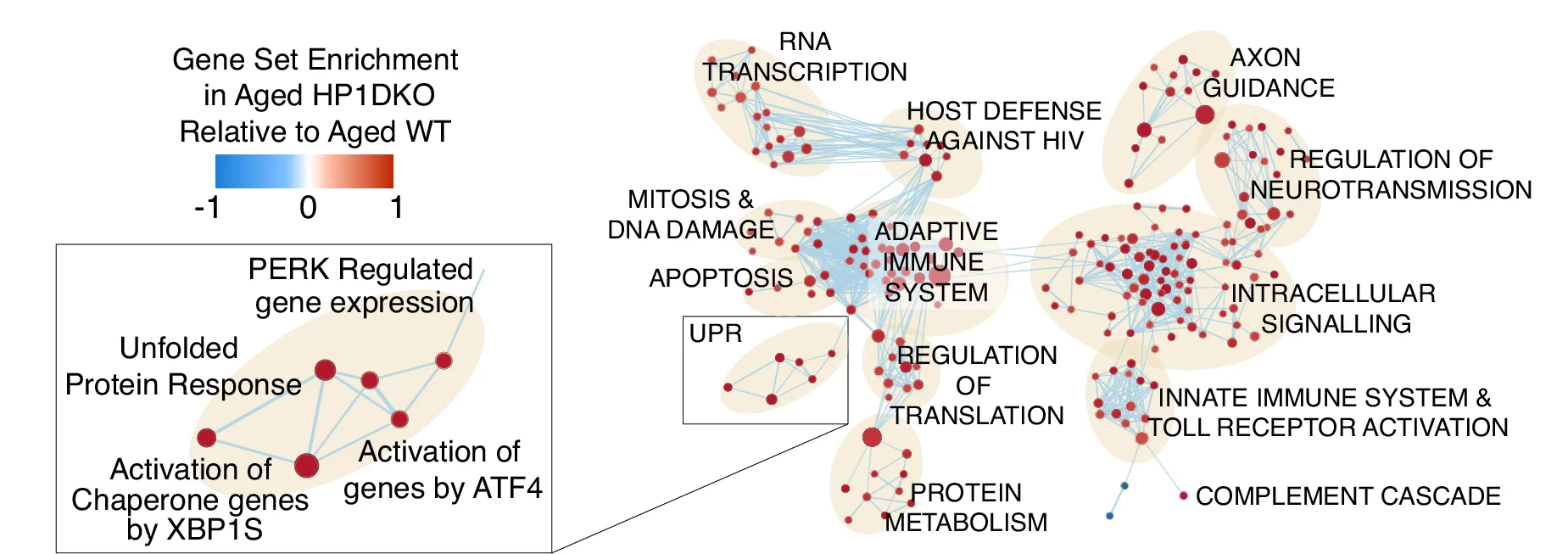
Enrichment map of significant reactome pathways observed from Gene Set Enrichment Analysis (GSEA) in aged HP1/DKO transcriptomes. Reactome pathways were filtered to FDR < 0.25 (Figure S2f , Supplementary Data 3 ).
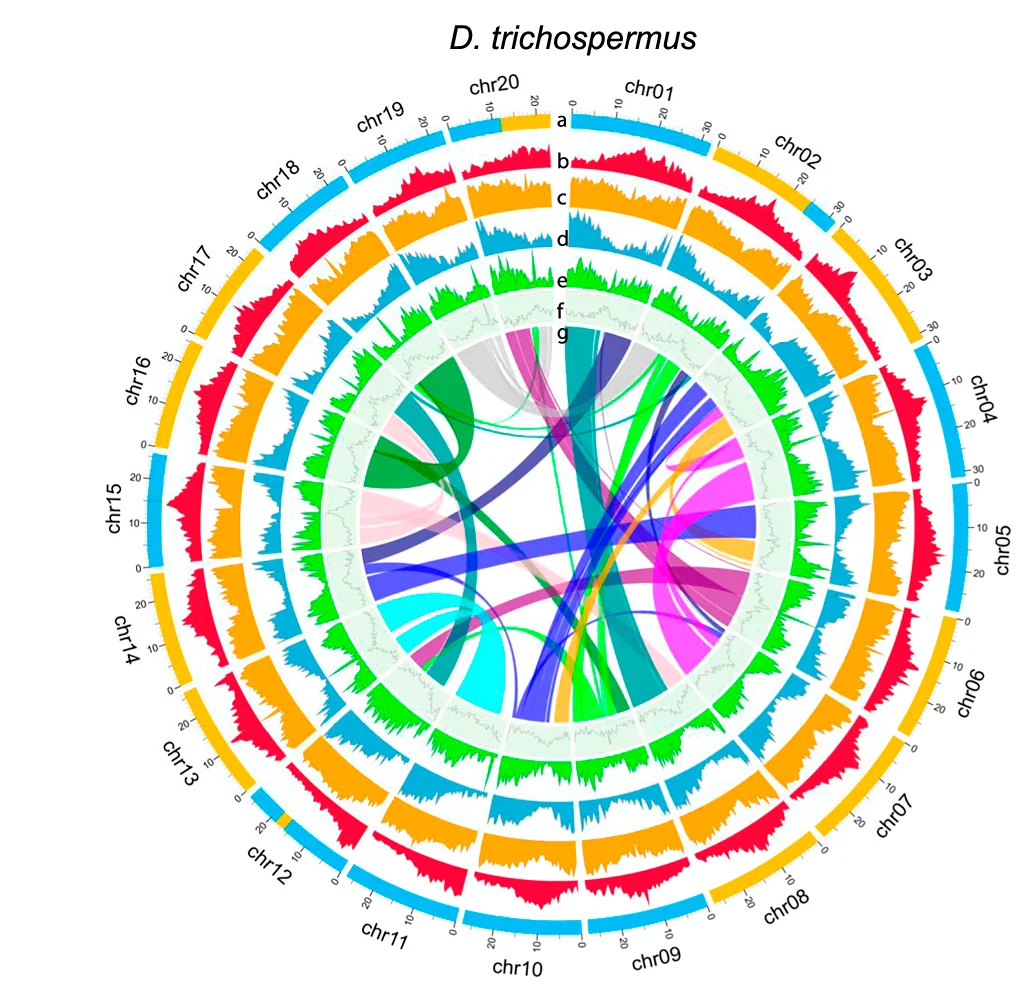
Genomic characteristics visualized via circos plots for D. trichospermus. Circles denote a karyotype, colored by subgenome assignments, b Class I TE density, c Class II TE density, d PCG density, e tandem repeat content, f GC content and g inparalogous syntenic blocks, colored by alignments to proto-chromosomes of tPMK.
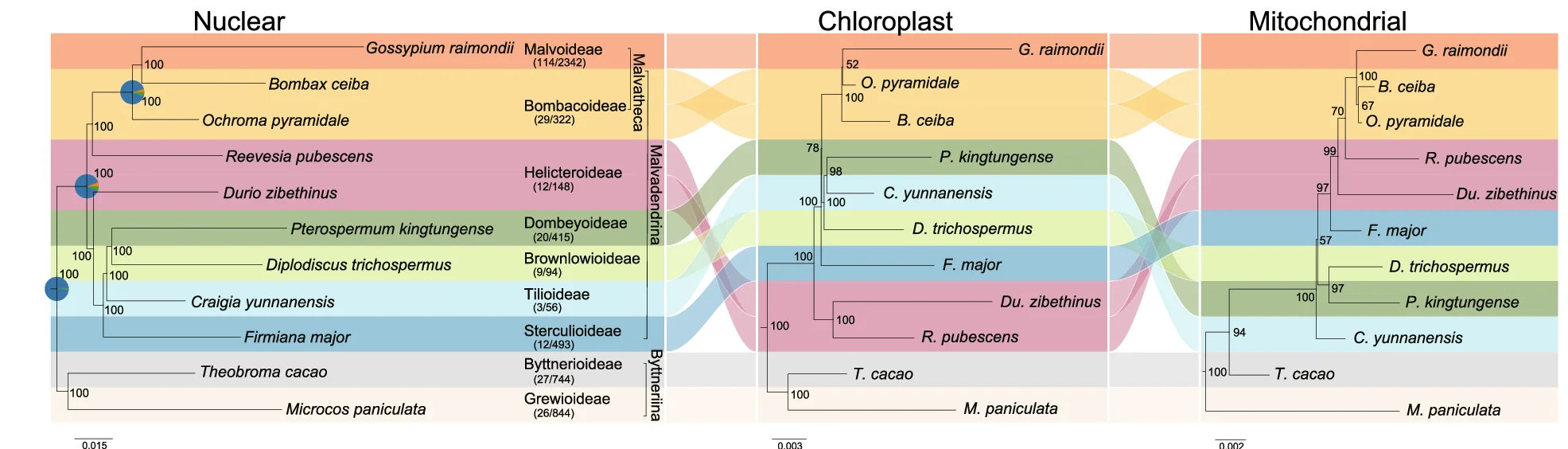
Comparative phylogenetic trees of the Malvaceae based on protein-coding genes from the nuclear genome (16,370 multi-copy by ASTRAL and 1904 single-copy genes by IQ-TREE yielding the same topology and all 100% support values), the chloroplast genome (79 genes) and the mitochondrial genome (37 genes). The trees were rooted by two outgroups ( Vitis vinifera and Carica papaya ). The branch lengths represent the nucleotide substitutions per site, and the values in the nodes represent the bootstrap percentages from IQ-TREE. The confidently well-resolved nodes are indicated by pie charts with the frequencies of three gene tree topologies (q1, q2 and q3; q1 >> q2/q3) calculated in ASTRAL (see Supplementary Fig. 10 for more details). The numbers in brackets indicate the number of genera and species in the given subfamily.

Network

Network Plots reveal complex relationships in biological systems, from molecular interactions to ecological food webs. This comprehensive collection features sophisticated network visualizations from protein-protein interactions, gene regulatory networks, and metabolic pathways. Critical for systems biology researchers, network pharmacologists, and ecological modelers. Master advanced network visualization techniques including force-directed layouts, community detection, and interactive exploration using Cytoscape, Gephi, R igraph, and specialized biological network analysis tools.

67 plotsUpdated 5 months ago
UMAP representing 31 coarse-grained cardiac single-cell clusters, corresponding to 11 main cell types, including CMs, ECs and non-mural MC–FBs (dashed lines).
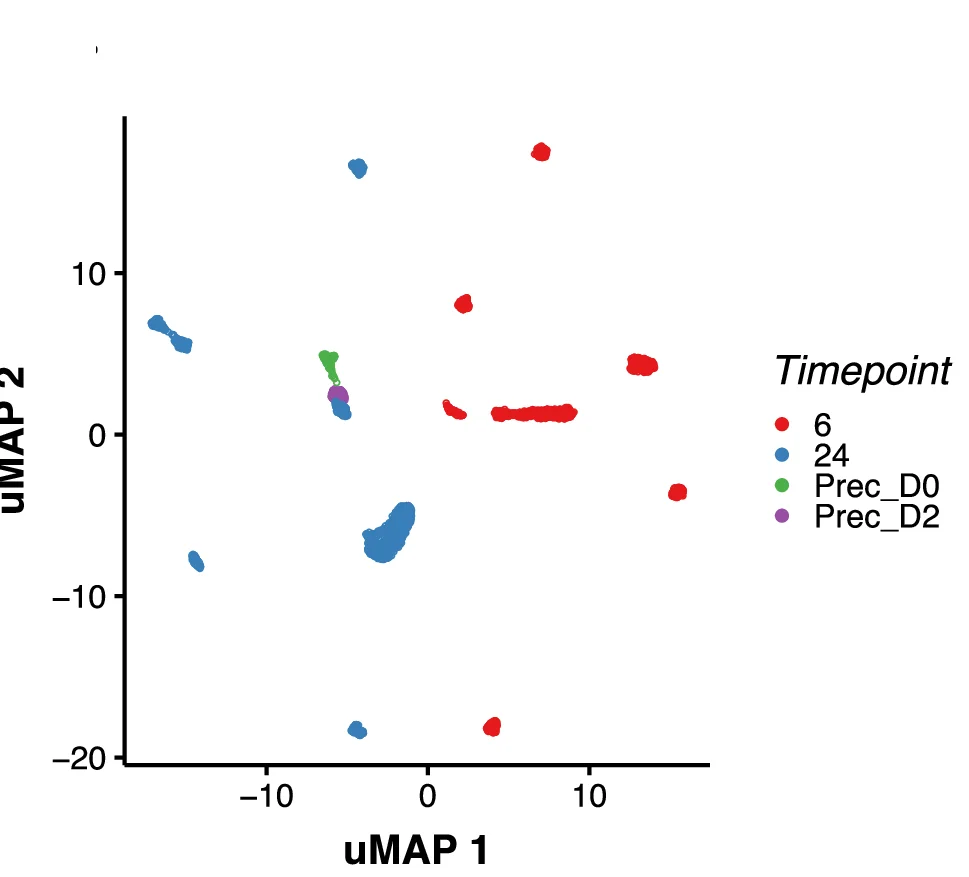
UMAP colored by time point.
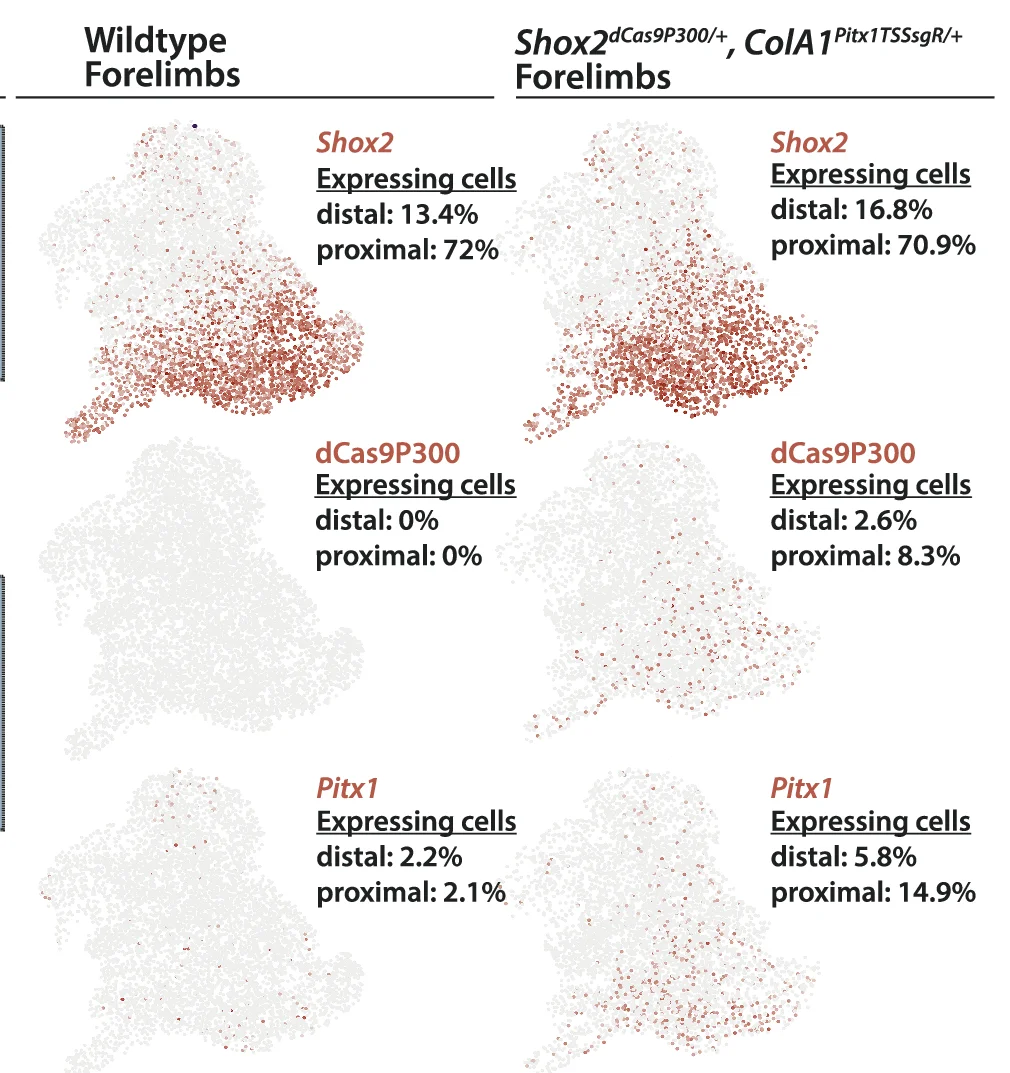
Individual UMAPS of scRNA-seq data from wildtype and Shox2 dCas9P300/+ ;ColA1 TSSsgR/+ forelimbs showing the distribution of Shox2 , Pitx1 and dCas9P300 expressing cells as well as the respective percentage of expressing cells in proximal forelimb (proximal) and distal forelimb (distal).
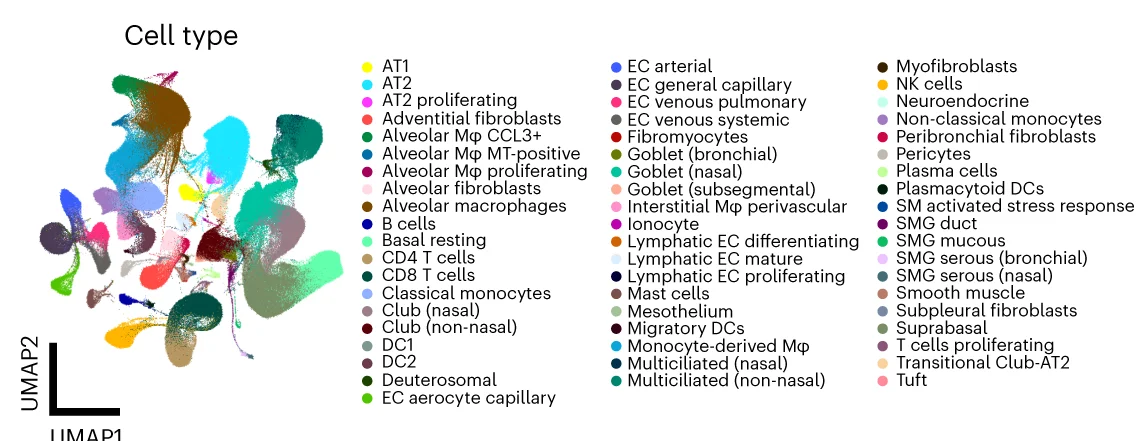
Uniform manifold approximation and projection (UMAP) of the integrated HLCA core after reference building, cells are color coded by cell type. DC, dendritic cell. EC, endothelial cell. NK, natural killer cell.

UMAP Plot

A UMAP (Uniform Manifold Approximation and Projection) Plot is a cutting-edge technique for dimensionality reduction and data visualization. It is particularly powerful for exploring the structure of large, high-dimensional datasets. UMAP excels at preserving both the local and global structure of the data in a low-dimensional space (typically 2D or 3D). This makes it invaluable in fields like bioinformatics for visualizing single-cell RNA-sequencing data, or in machine learning for understanding complex feature spaces. Use a UMAP plot to uncover hidden clusters, relationships, and manifold structures that other methods might miss, providing profound insights into complex data.
60 plotsUpdated 5 months ago
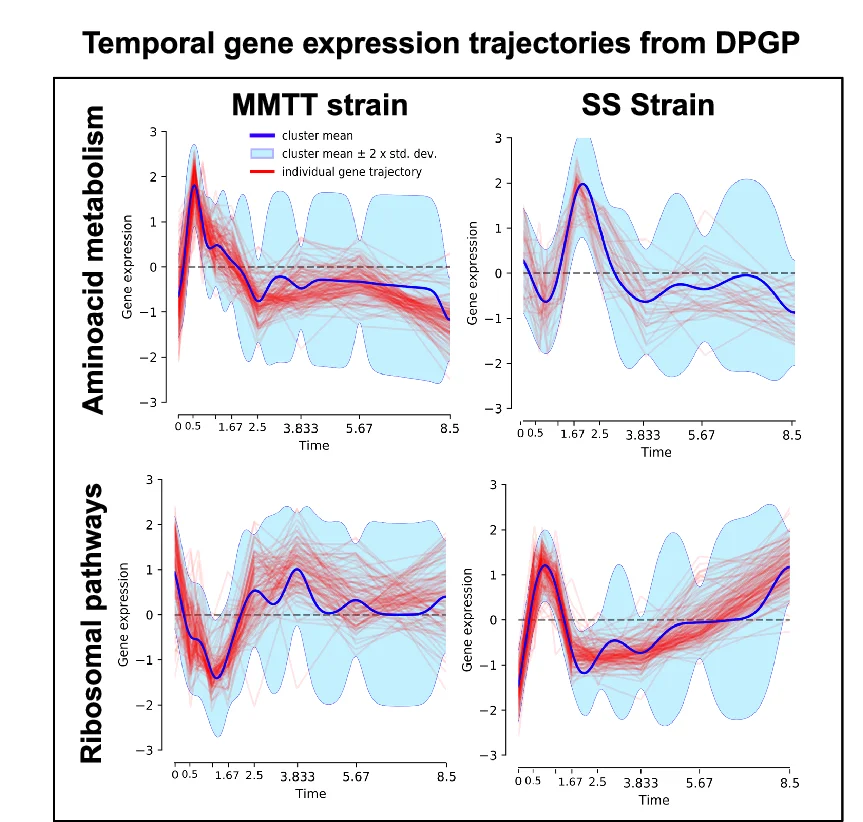
Temporal gene expression trajectories of genes involved in amino acid metabolism and ribosomal pathways, derived from DPGP clustering. Shaded regions represent 2 standard deviations (SD) around the mean expression trajectory.
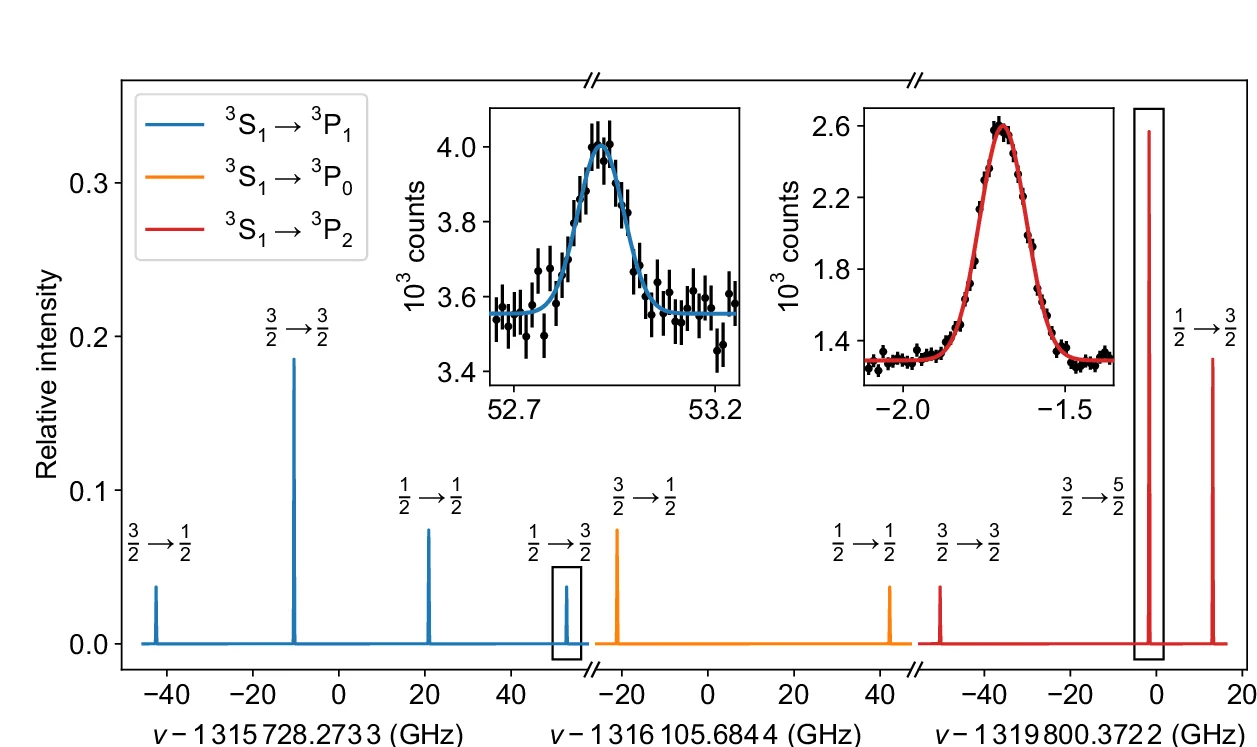
Hyperfine-structure (HFS) spectrum of the 1 s 2 s 3 S 1 (to) 1 s 2 p 3 P 0,1,2 transitions in 13 C 4+ simulated with the experimentally determined frequencies and linewidths. The x -axis represents the laser frequency in the rest-frame of the ion ν relative to the center-of-gravity frequency of the respective fine-structure transition. The peak heights were set to the theoretical transition strengths used in Eq. ( 7 ). The two insets show measured spectra of the marked transitions. Next to the resonances, the contributing quantum numbers Fto {F}^{{\prime} } of the lower and upper states are shown, respectively.
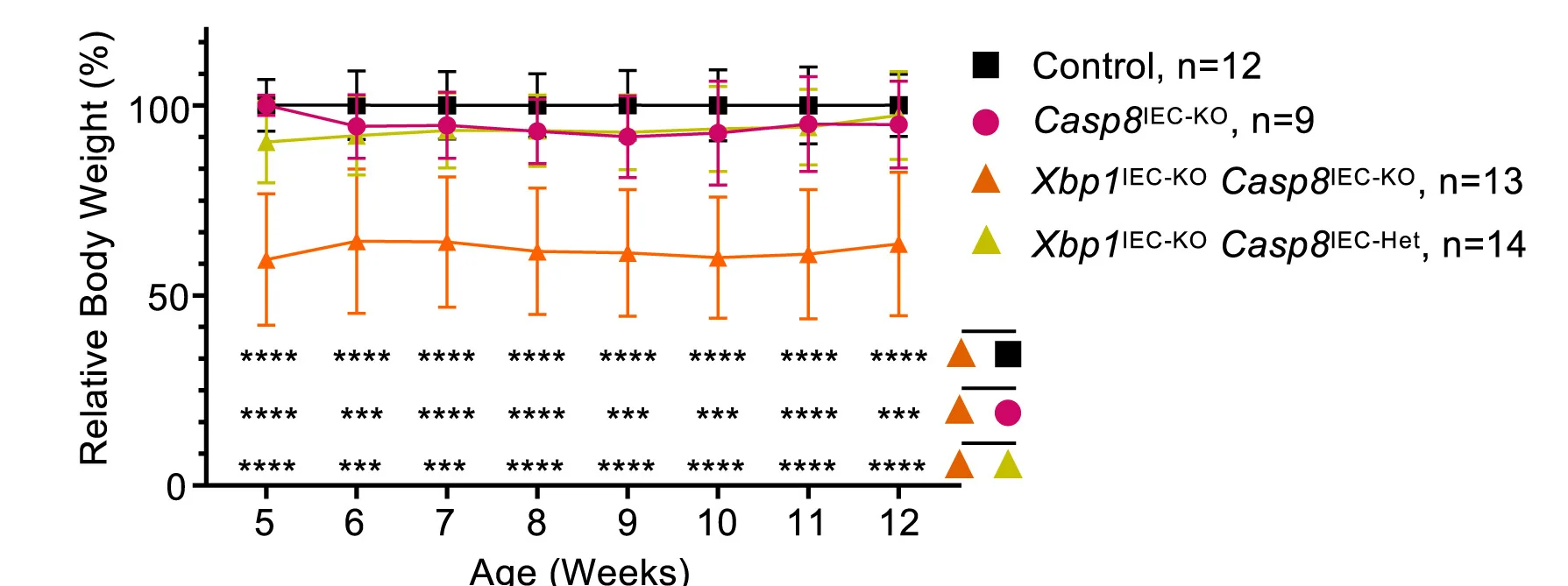
Graph depicting the relative body weight of mice with the indicated genotypes compared with their littermate controls between 5 and 12 weeks of age. Graph shows mean ± SEM. p values were calculated by two-way ANOVA. ***p< 0.005, ****p< 0.0001.
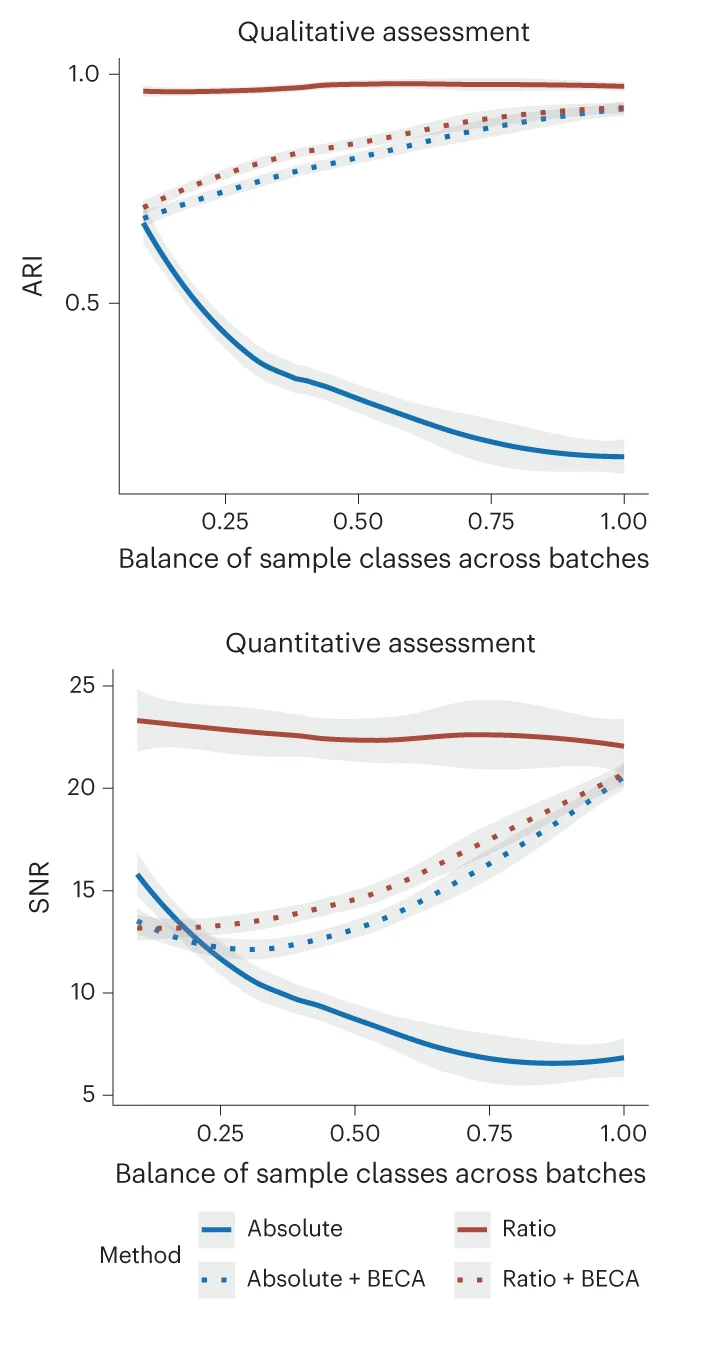
Bar plots of the ARI of vertically integrated multi-omics datasets of different quality (bad versus good) at the absolute level (blue) and ratio level (red) using SNF, iClusterBayes, MOFA+, MCIA and intNMF. The number of data sampling and integration instances (n) used to derive statistics was as follows: bad, n = 10; good, n = 10; confounded, n = 200; balanced, n = 100. Data are presented as mean values +- s.d. The P values were calculated using unpaired two-tailed Wilcoxon rank-sum tests with FDR correction. **** P < 0.0001, ** P < 0.01, * P < 0.05; not significant, P >= 0.05. Specific P values are listed in Supplementary Data 3 and 4.

Line Plot with Error Bars

For a more rigorous approach to time-series and experimental data, the Line Plot with Error Bars is an invaluable tool. It enhances the standard line plot by adding error bars to each data point, illustrating the uncertainty or variability at each measurement interval. This is particularly useful in scientific fields for representing confidence intervals or standard errors of a mean over time. By visualizing both the trend and its statistical precision, you can make more informed judgments about the data's reliability and the significance of observed changes. This chart is essential for presenting experimental results transparently, enabling a deeper and more accurate interpretation of trends.
59 plotsUpdated 5 months ago
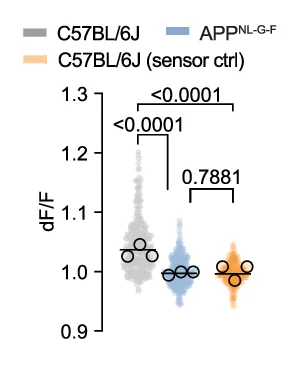
Distribution of all rel. changes in fluorescence for the three groups ( n = 3 per group).
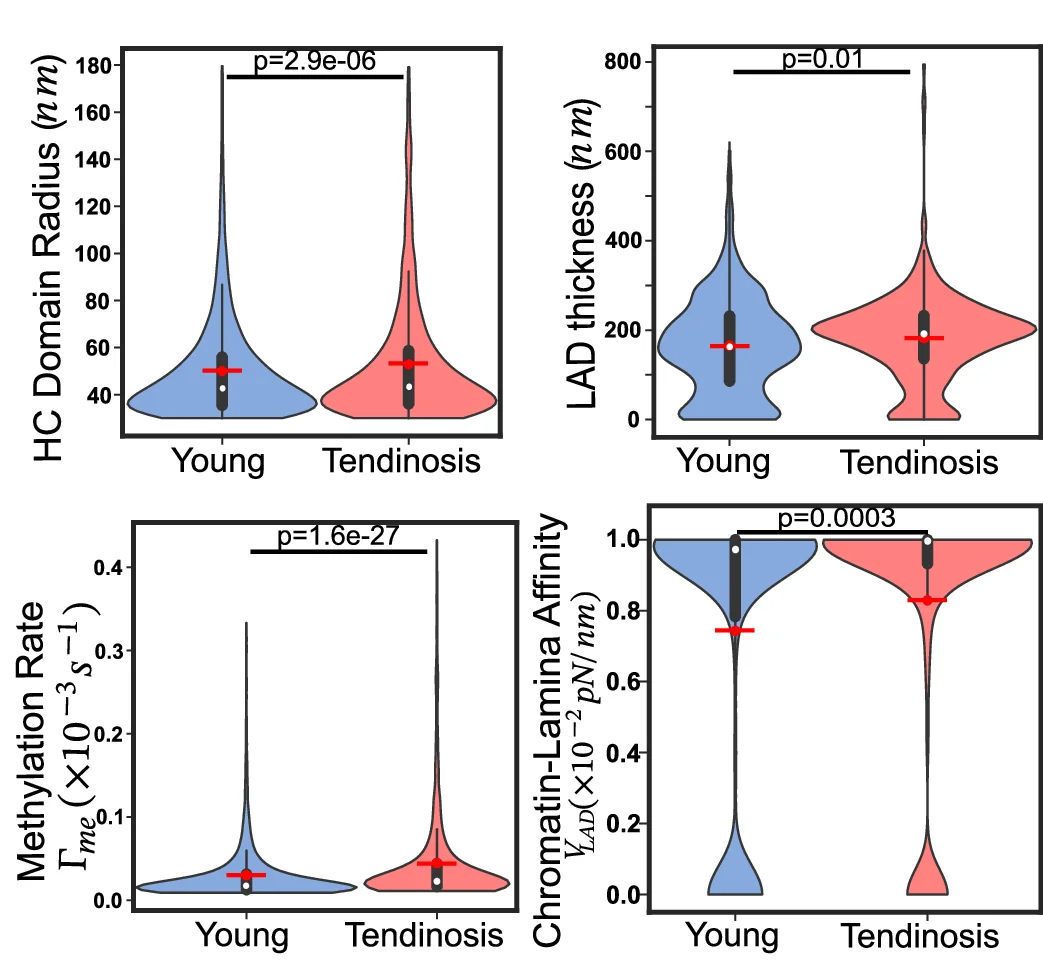
Quantitative analysis reveals an increase in the mean heterochromatin domain radius, LAD thickness, methylation rate and chromatin-lamina affinity. (Healthy: n = 14429 loci, 10 nuclei; Diseased: n = 1992, 9 nuclei, unpaired two tail test). All violin plots show a symmetric kernel density estimate (outline), the quartiles (black boxplot), the median (white dot), and the mean (red dot with line).
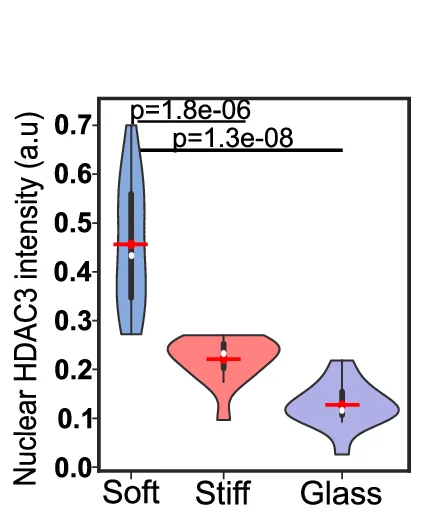
HDAC3 fluorescence intensity quantification, showing decrease in nuclear HDAC3 with increasing substrate stiffness. (Soft: n = 16 nuclei; stiff: n = 15 nuclei; glass: n = 15 nuclei, unpaired two tail test). All violin plots show a symmetric kernel density estimate (outline), the quartiles (black boxplot), the median (white dot), and the mean (red dot with line).
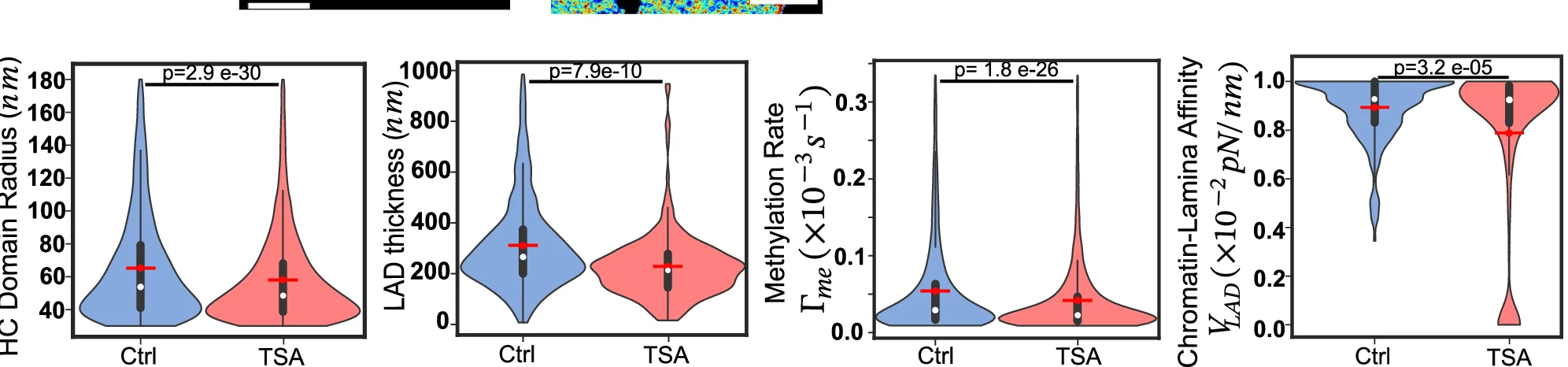
Our theoretical framework reveals that upon TSA treatment, the interior heterochromatin domain radii, LAD thickness, methylation rate and chromatin-lamina affinity all decrease. (Control: n = 4223 loci, 6 nuclei; TSA-treated: 5279 loci, 5 nuclei, unpaired two tail test). All violin plots show a symmetric kernel density estimate (outline), the quartiles (black boxplot), the median (white dot), and the mean (red dot with line).

Violin Plot

Violin Plots combine distribution visualization with statistical summary, superior to box plots for revealing data shape and density. This collection showcases elegant violin plot examples from single-cell genomics, clinical biomarkers, and population studies. Perfect for researchers comparing complex distributions, multimodal data, or large sample datasets. Master techniques for creating publication-quality violin plots with statistical overlays, split violins, and hybrid visualizations using ggplot2, seaborn, and specialized tools for advanced distribution analysis.
59 plotsUpdated 5 months ago
Experimental setup of noradrenaline (NA) level measurements in vivo. Graphic modified from Carpaneto, A. (2020). Microscope Objective. Zenodo. https://doi.org/10.5281/zenodo.3926119 , Petrucco, L. (2020). Mouse head schema. Zenodo. https://doi.org/10.5281/zenodo.3925903 .
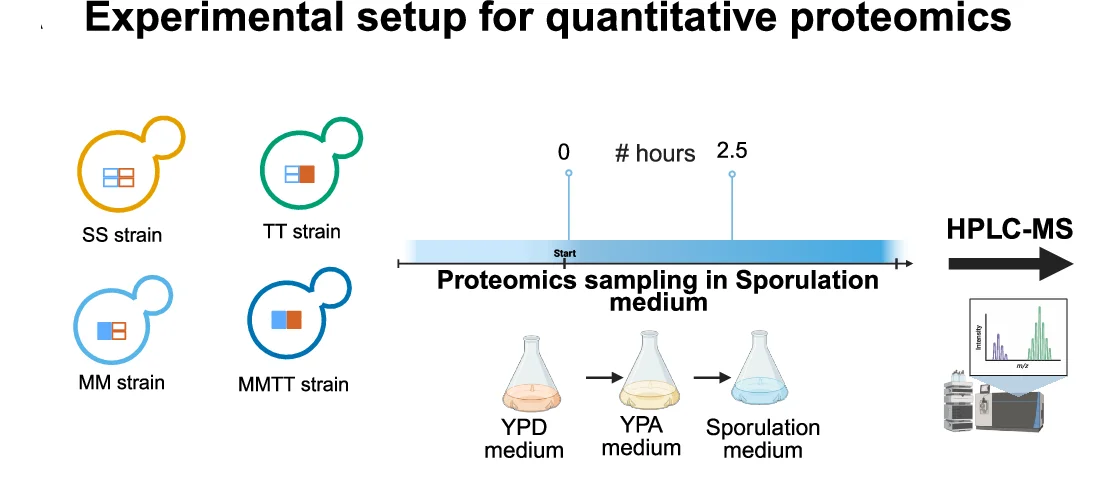
The S288c, MM, TT, and MMTT strains were grown in the sporulation medium, and sampling was done at the 0th hour and 2 h 30 min during sporulation.
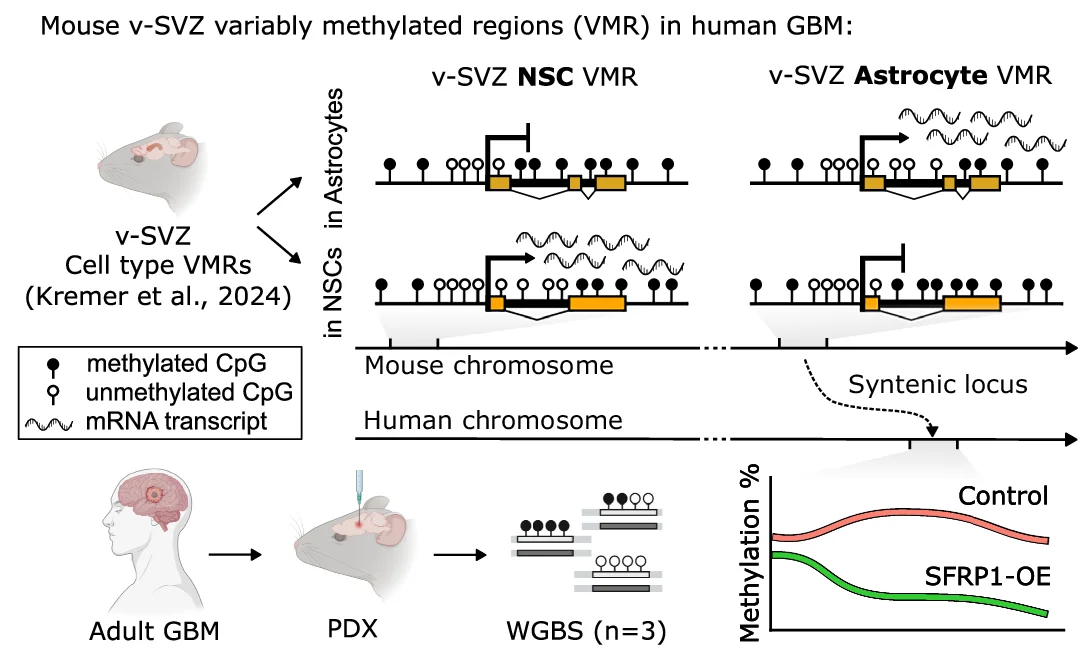
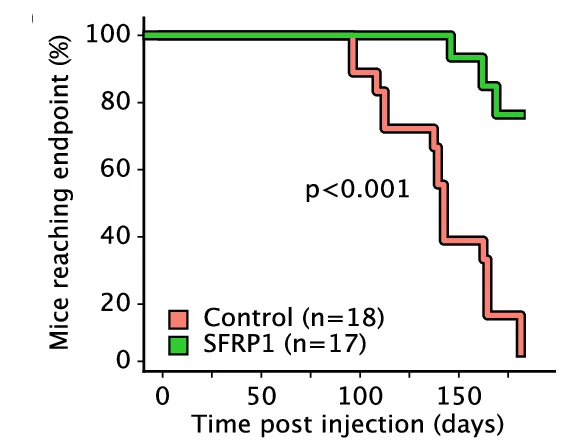
Cross-species interrogation of murine v-SVZ cell type VMRs from Kremer et al. 30 . Example NSC and astrocyte VMR methylation profiles are depicted, with methylation at the corresponding human locus quantified in SFRP1-overexpressing (OE) and control GBM WGBS.
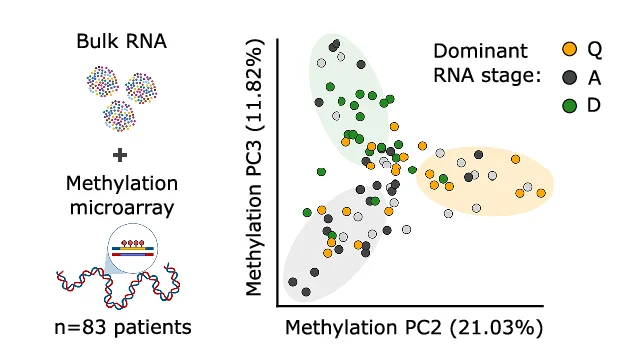
PCA embedding of variable methylation sites for n = 83 GBMs from ( f ) with matched RNA and methylome measurements. Tumors are colored by their dominant RNA stage; gray circles have no clear dominant stage. Localized stage-enrichments are underscored with ellipses.

Study Design

Study Design Diagrams provide essential visual roadmaps for research methodology, crucial for clinical trials, experimental protocols, and systematic reviews. This collection features clear, professional study design visualizations from high-impact publications, including CONSORT diagrams, experimental workflows, and sampling strategies. Invaluable for researchers planning RCTs, cohort studies, or complex experimental designs. Learn to create transparent, reproducible study design figures using specialized tools like draw.io, Lucidchart, and R packages for CONSORT flow diagrams that meet publication standards.
55 plotsUpdated 5 months ago
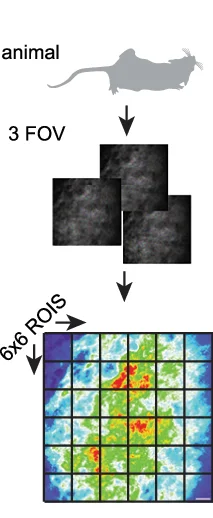
Illustration of the analysis of 2 P in vivo imaging data. Graphic modified from Claudi, F. (2020). Mouse Top Detailed. Zenodo. https://doi.org/10.5281/zenodo.3925997 .
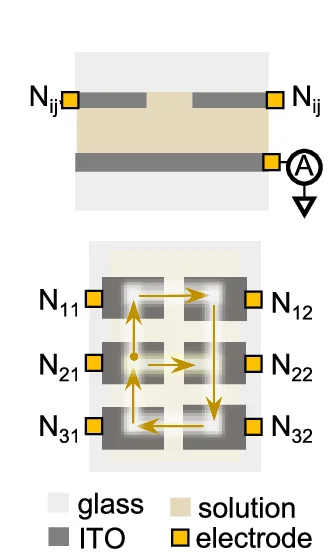
Schematic diagram of the HAN sensing array for handwriting recognition. The upper and lower panel presents a cross-sectional view and a top view of the array structure, respectively. The arrows in the lower panel indicate a representative trajectory for the handwritten digit 8, starting from the N 21 electrode.
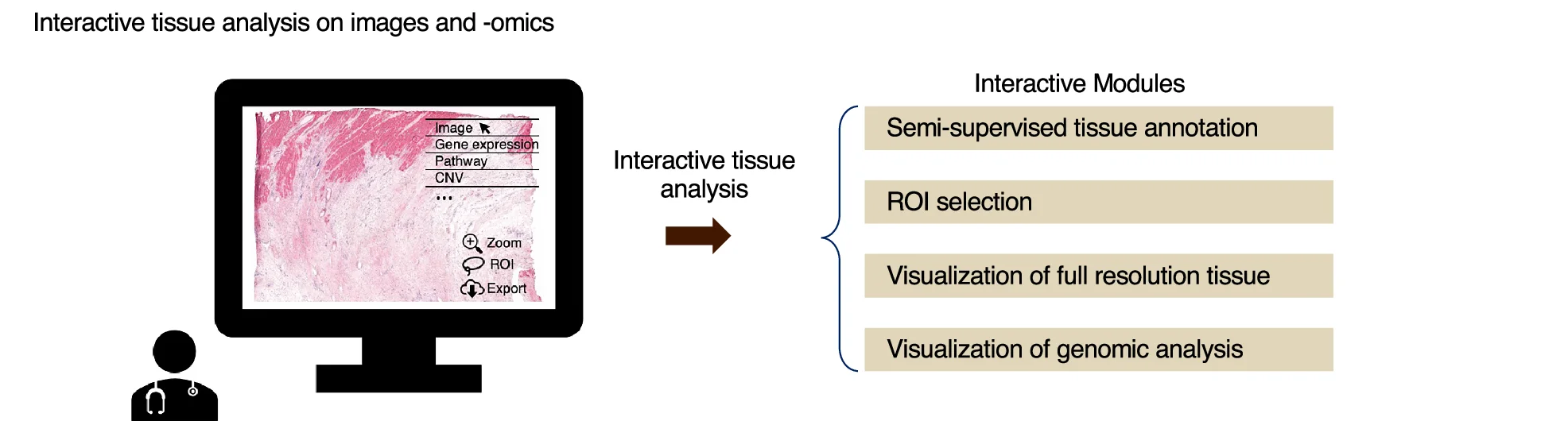
The Mjolnir platform supports interactive multimodal tissue analysis.
Schematic of analytical test for the recurrence of de novos that considers distal splice-altering and exonic SNV and indel variants, their variant functionality scores, a genome-wide mutation rate model Roulette, and per-gene GeneBayes constraint values. “Like” variants refer to those of the same variant class (i.e., coding SNVs [ CS ], coding indels [ CI ], intronic SNVs [ IS ], intronic indels [ II ]) and within the same functionality score and minor allele frequency thresholds.

Workflow Diagram

Workflow Diagrams document complex research processes, computational pipelines, and experimental procedures with clarity and precision. This collection showcases professional workflow visualizations from bioinformatics pipelines, clinical protocols, and laboratory methods. Essential for researchers ensuring reproducibility, training personnel, or documenting standard procedures. Discover best practices for creating clear, detailed workflow diagrams using specialized tools like Nextflow, WDL visualization, draw.io, and scientific workflow management systems.

54 plotsUpdated 5 months ago
Experimentally obtained real part of the near-field terahertz conductivity spectra of a selection of measured graphene carrier densities (Supplementary Fig. 5). The data were fit to a sum of four Lorentzians as indicated by the shaded peaks.
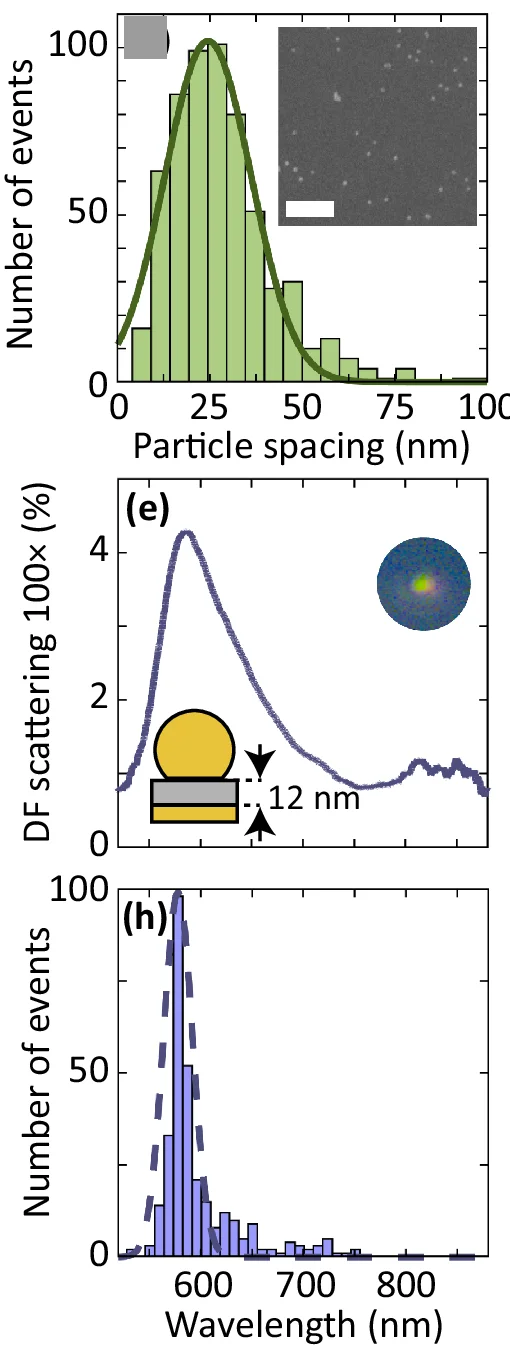
The spacing distribution between the nano-objects determined from the scanning electron microscope image in the inset. The scale bar of the inset is 200 nm.
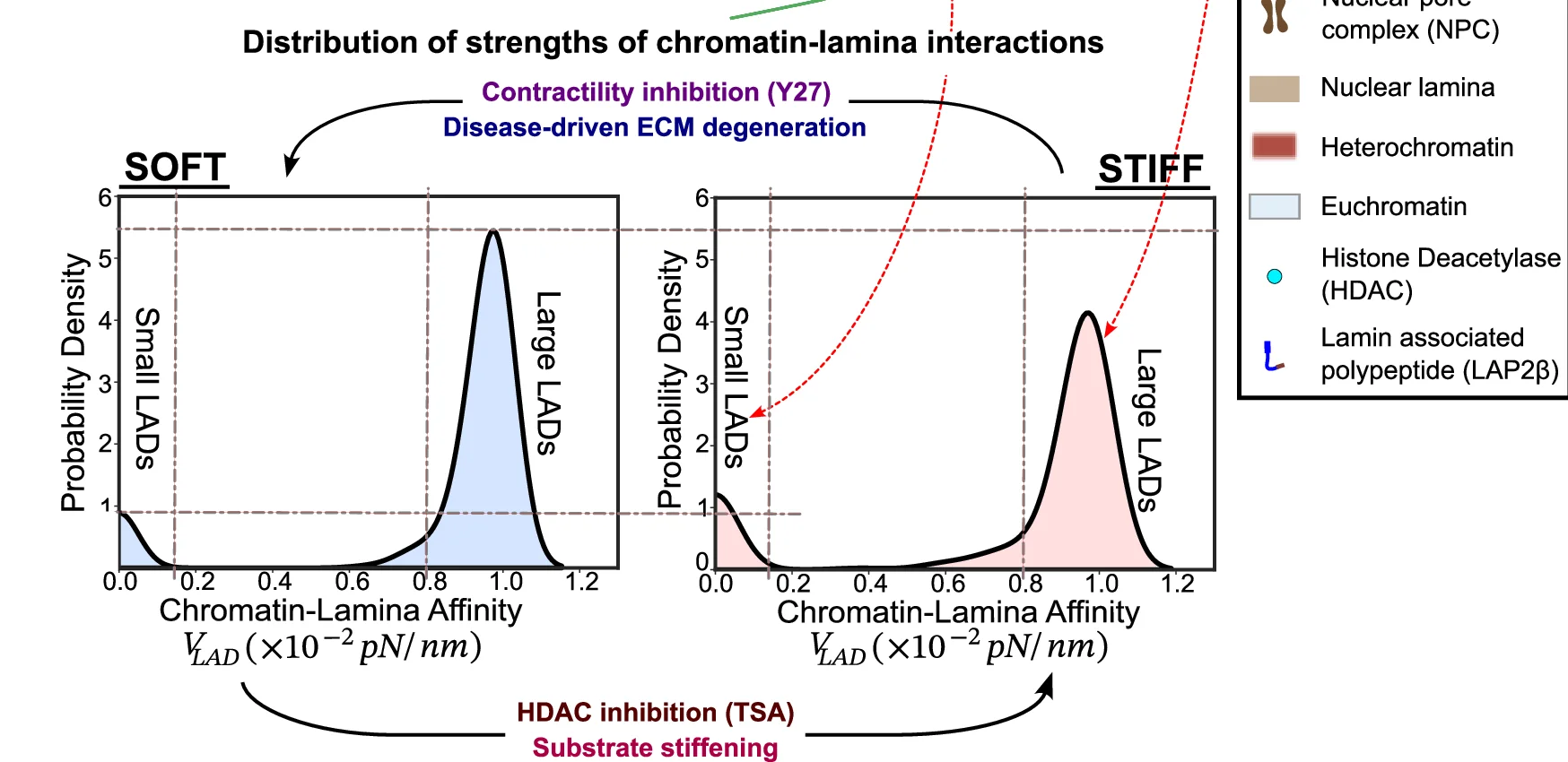
The nucleus-wide distribution of the strength of chromatin-lamina affinity extracted from our framework shows a bimodal distribution with one peak at vanishing chromatin-lamina interactions with small discrete LADs (labelled small LADs) and another at strong chromatin-lamina interactions, comparable to the chromatin-chromatin interactions, with large continuous LADs (labelled large LADs). On a stiff substrate reduced nuclear HDAC3 contributes to decreasing the chromatin-lamina interaction strength. Note that the peak corresponding to large LADs decreases. Also summarizes the effects of pharmacological perturbations (TSA, Y27 treatments), change in substrate stiffness and in-vivo tendinopathic ECM degeneration on the distribution of the chromatin-lamina interaction strengths.
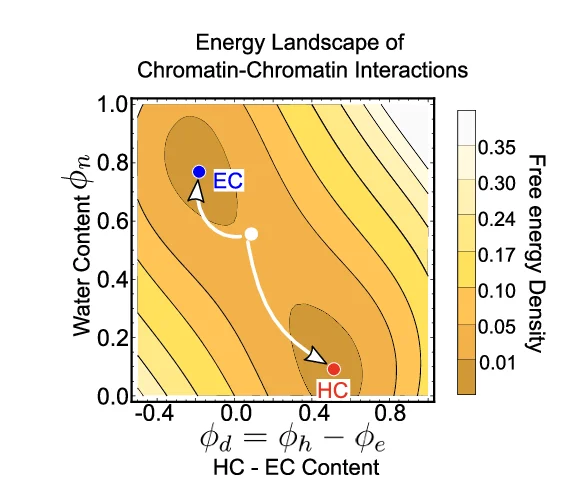
The contour plot of free energy density shows the two wells (local minima) corresponding to the two stable phases of chromatin – euchromatin (blue) and heterochromatin (red). We schematically show how an initial homogeneous distribution of chromatin (white circle) will evolve towards the two energy wells.

Density Plot

A Density Plot provides a beautiful and intuitive way to visualize the distribution of a continuous variable. It works by smoothing out the data points to create a continuous curve, offering a clearer representation of the underlying probability distribution than a traditional histogram. This plot is excellent for exploring the shape of your data, identifying peaks (modes), and understanding where the data points are concentrated. Whether you're analyzing income distribution, measurement data, or any continuous dataset, the density plot helps reveal patterns that might be missed with other charts. It is a key tool for exploratory data analysis and statistical modeling.
47 plotsUpdated 5 months ago
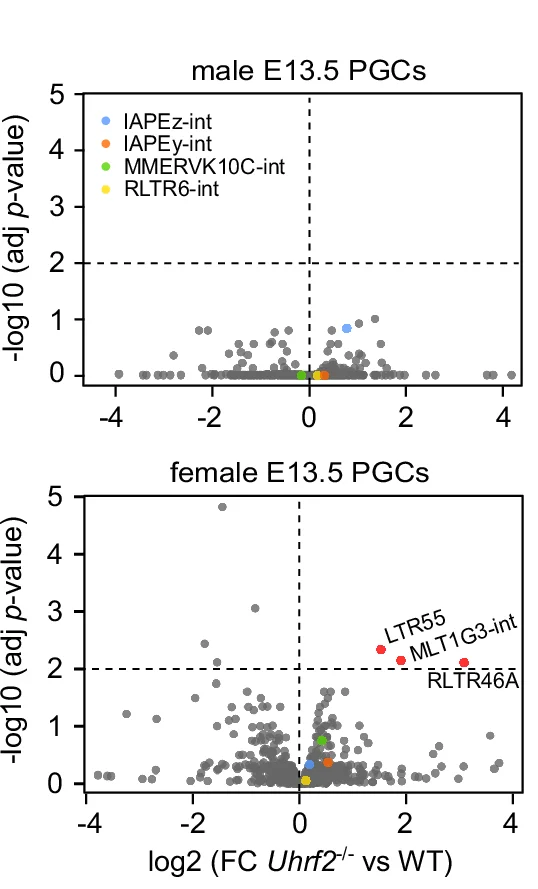
Volcano plots showing differential expression of TE families in male and female Uhrf2 -/- E13.5 PGCs. Significantly upregulated TE families (padj<0.01) are highlighted in red. P -values: DESeq2 adjusted p -values.
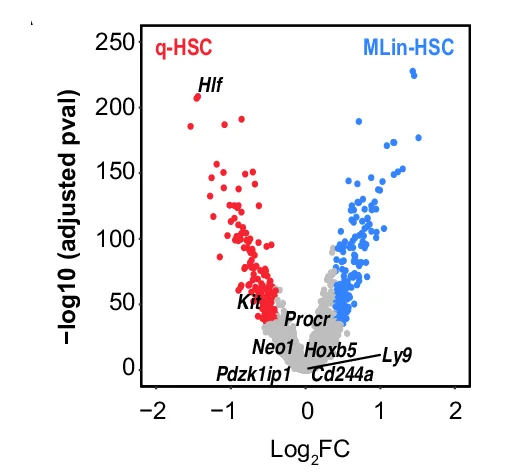
Volcano plot of DGE analysis between MLin-HSC vs. q-HSC subsets in young HSCs, highlighting bona fide HSC markers.
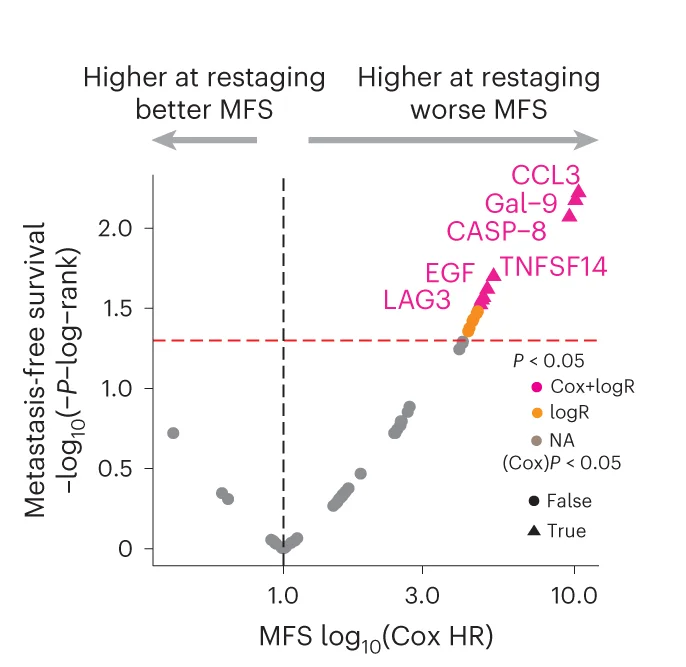
Volcano plot for MFS based on urine proteins at time of clinical restaging ( n = 59, patients without samples or outcome data were excluded) showing log-rank test ( y axis) and Cox regression hazard ratio ( x axis). For associations with cCR, adjustment for multiple comparisons was performed using the BenjaminiHochberg method. FDR, false discovery rate; HR, hazard ratio; Nivo, nivolumab; NA, not applicable.
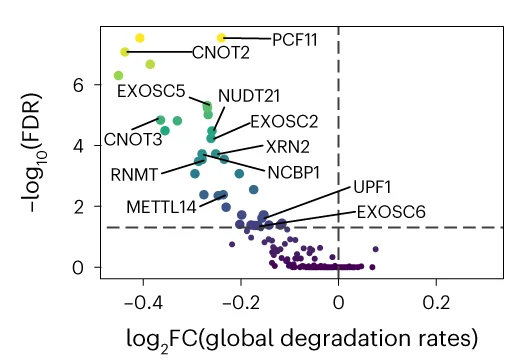
Scatter plots showing the extent and the significance of changes on the distributions of global degradation upon perturbations compared to NTC cells. The FCs were calculated by dividing the median values of each perturbation with that of NTC cells and were log 2 transformed. Dashed lines indicate the statistical thresholds that were used (horizontal line, -log 10 (0.05); vertical line, 0).

Volcano Plot

Volcano Plots are indispensable for visualizing differential expression in omics studies, combining fold change with statistical significance. This collection presents outstanding volcano plot examples from RNA-seq, proteomics, and metabolomics publications. Essential for researchers identifying differentially expressed genes, proteins, or metabolites in high-throughput experiments. Explore advanced techniques for creating publication-quality volcano plots with proper thresholds, labeling, and color coding using R packages like EnhancedVolcano, ggplot2, and specialized bioinformatics tools.
43 plotsUpdated 5 months ago
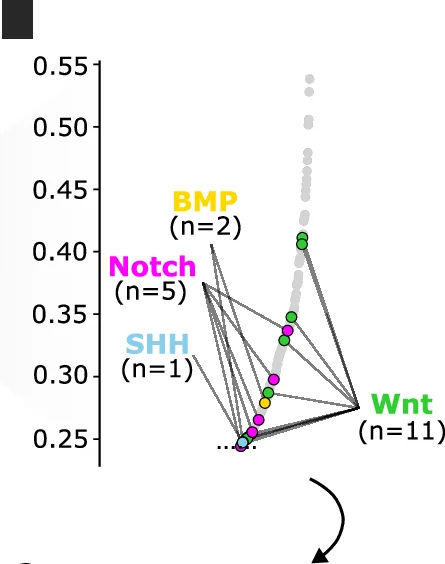
Zoomed view of recurrently dysregulated genes from (b) with key signaling pathway genes indicated.
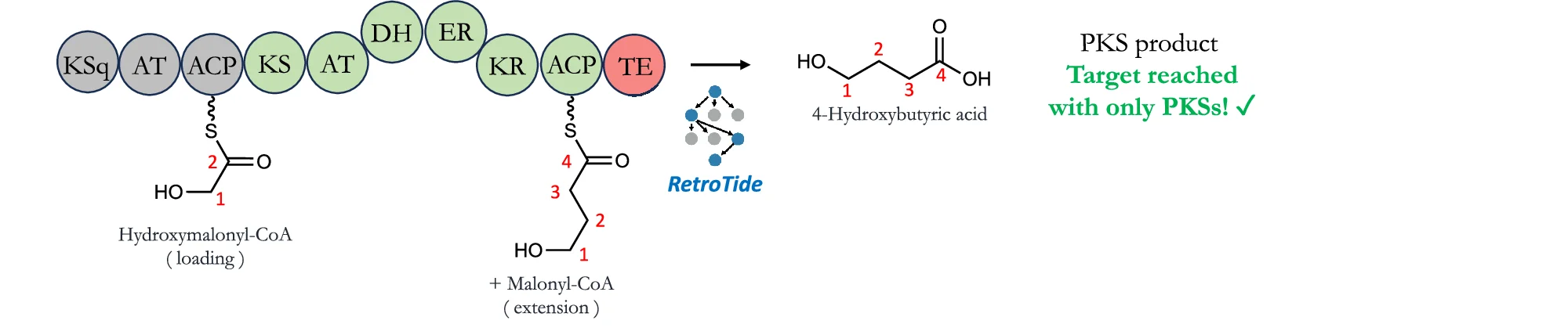
When 4-hydroxybutyric acid is input as a target structure into BioPKS pipeline, the top PKS design from RetroTide synthesizes 4-hydroxybutyric acid completely in just two modules. Hydroxymalonyl-CoA is recommended as a starter unit while malonyl-CoA is recommended as an extender unit. Since any additional post-PKS modifications are not required, BioPKS pipeline terminates.
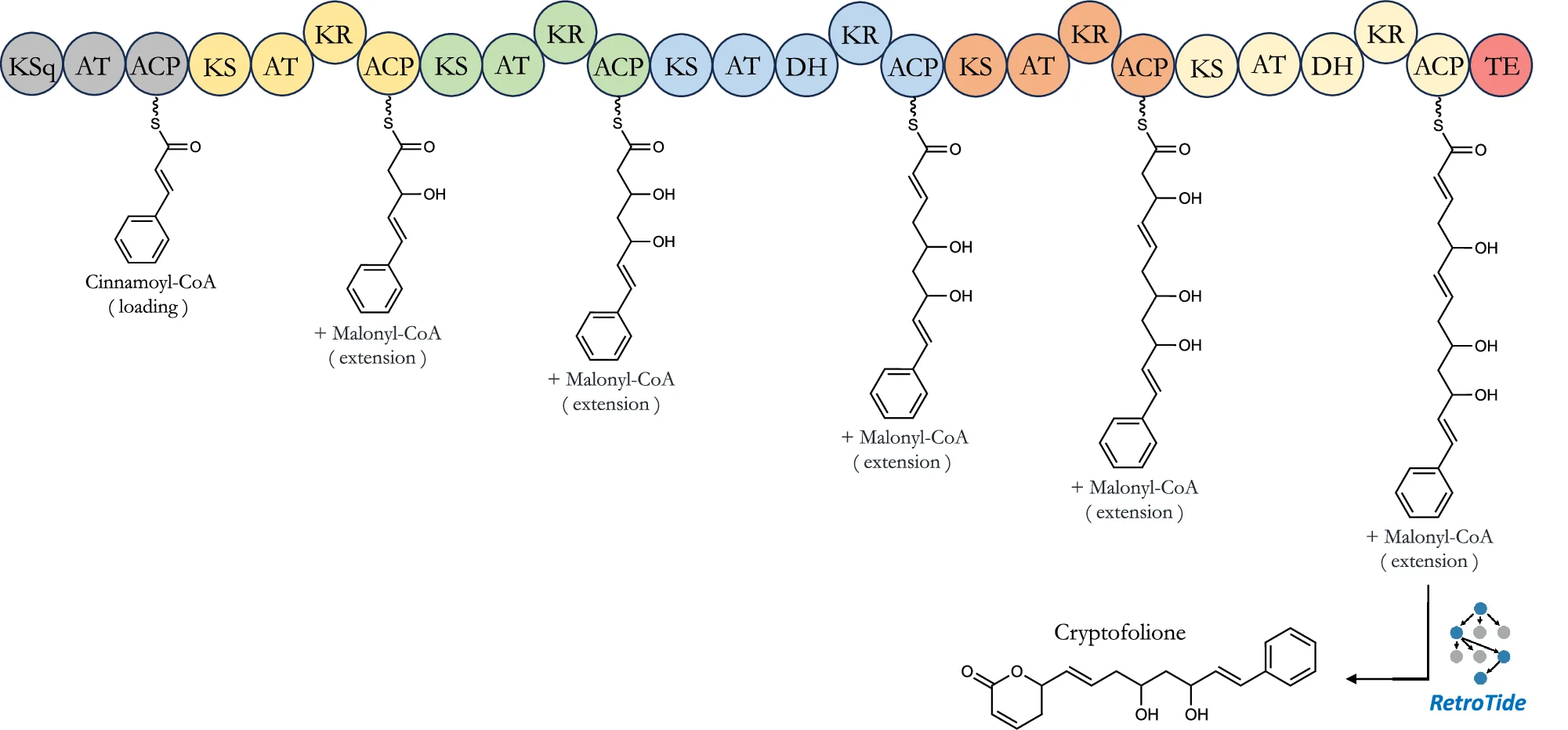
When prompted to suggest a biosynthesis route to the natural product cryptofolione, a potential therapeutic whose biosynthetic origin remains unknown, BioPKS pipeline calls upon RetroTide to successfully suggest a 6-module chimeric PKS that could synthesize cryptofolione exactly. This chimeric PKS selects cinnamoyl-CoA as a starter unit given the aromatic ring on one end of cryptofolione’s carbon backbone and subsequently only uses malonyl-CoA as extender units. The offloading reaction for the termination domain of this chimeric PKS is set to an intramolecular cyclization reaction so that the lactone ring on the other end of cryptofolione’s carbon backbone can be synthesized. Our PKS design lends insight into the possible biosynthetic origins of alpha-pyrones such as cryptofolione. Source data are provided as a Source Data file.
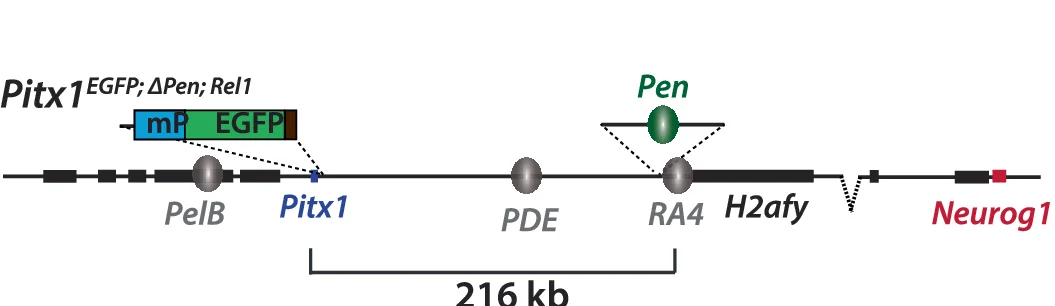
Illustration of Pitx1 GFP;ΔPen;Rel1 (Rel1) where Pen is inserted, at RA4, 216 kb away to Pitx1.

Pathway Diagram

Pathway Diagrams are fundamental visualization tools for illustrating biological pathways, metabolic networks, and signaling cascades in life sciences research. This curated collection features publication-quality pathway diagram examples from leading journals, showcasing KEGG pathways, gene regulatory networks, protein-protein interactions, and cellular signaling mechanisms. Perfect for molecular biologists, biochemists, and systems biology researchers creating figures for scientific publications. Find inspiration for visualizing complex biological processes, drug targets, disease mechanisms, and multi-omics data integration using tools like Cytoscape, PathVisio, and BioRender.
39 plotsUpdated 5 months ago
Schematic of OB in the human brain and a horizontal plane through the human brain, imaged with TSPO-PET.
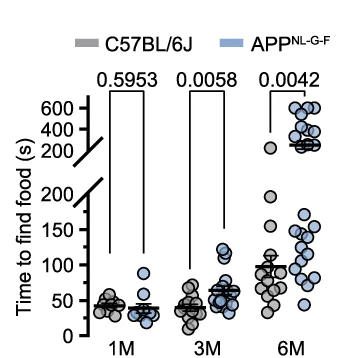
Time to find food in the buried food task at 1,3, and 6 months of age. (C57BL/6 J at 1,3,6 months: n = 9,14,14 and App NL-G-F at 1,3,6 months: n = 10,18,24).
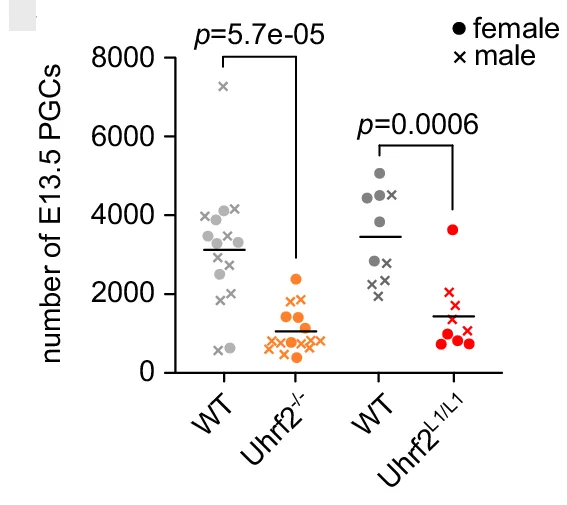
Number of PGCs recovered by flow cytometry from gonads of Uhrf2 -mutant compared to littermate WT E13.5 embryos (WT n = 16 embryos, Uhrf2 -/- n = 16, WT n = 10, Uhrf2 L1/L1 n = 9). Horizontal bars: mean, p -values: two-sided Mann–Whitney tests.
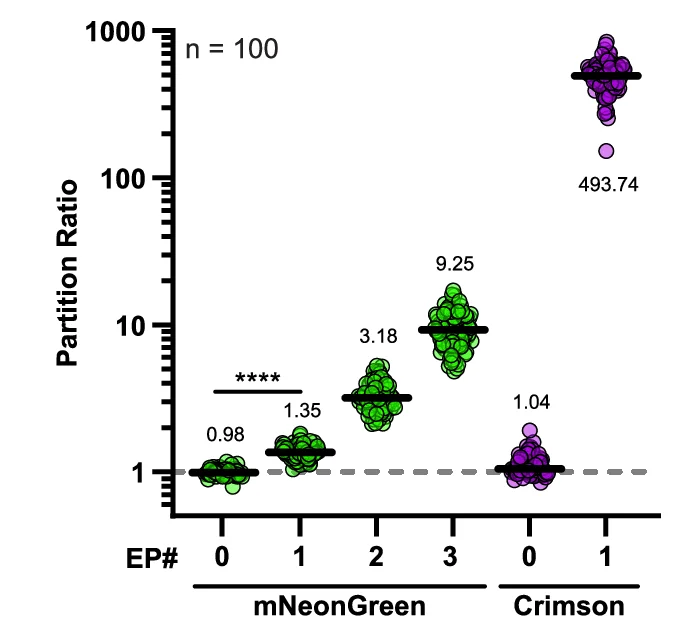
Partitioning was calculated by the quotient of background subtracted foci signal over non-foci signal. This analysis confirmed that partitioning increases with additional EP domains and that emergent valency outcompetes intrinsic in all cases. Medians are denoted within each sample with the black bar. **** denotes p < 0.0001 given by an upaired t -test.

Paired Dot Plot

Paired Dot Plots excel at visualizing before-and-after comparisons, treatment effects, and matched sample analyses in biomedical research. This collection features publication-ready paired dot plot examples demonstrating statistical comparisons, clinical trial results, and experimental interventions. Perfect for researchers presenting paired t-test results, repeated measures data, or matched case-control studies. Learn effective techniques for showing individual data points, connecting lines, and statistical significance using ggplot2 paired plots, GraphPad Prism, and Python seaborn for creating transparent, reproducible scientific figures.
34 plotsUpdated 5 months ago
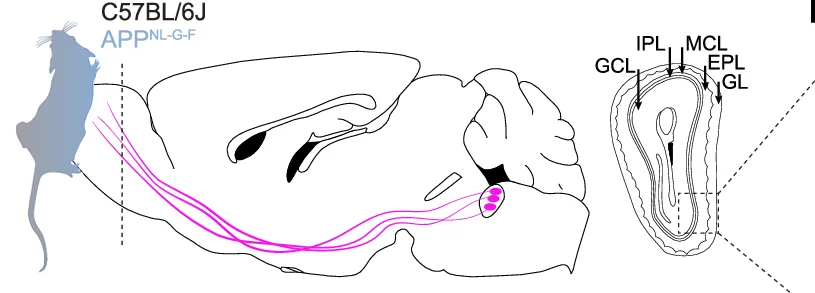
LC-NA neurons project to the olfactory bulb (OB). The OB is composed of five different layers. The dashed box highlights the analysed region in the OB. Graphic modified from Claudi, F. (2020). Mouse Top Detailed. Zenodo. https://doi.org/10.5281/zenodo.3925997
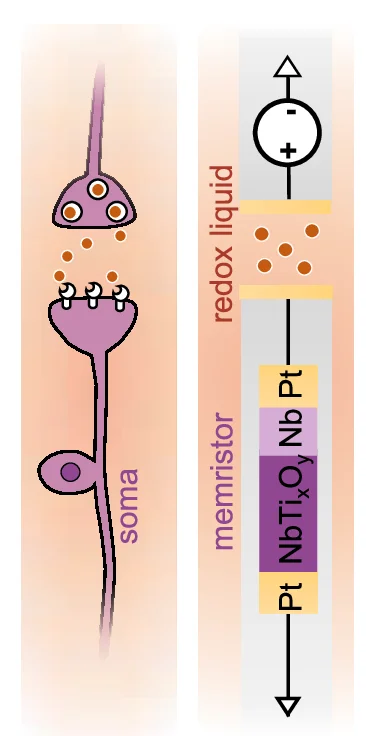
Schematic comparison of a typical biological neuron (left) with our HAN (right). The electronic component of the HAN includes a threshold memristor (purple) and electrodes (gold), while the ionic component (brown) is an electrochemical element with Fe 2+ /Fe 3+ redox solution.
Illustration of the unnormalized squared mutational target computed for each observed comphet variant in a gene across the cohort (RaMeDiES-CH, Supplementary Fig. 11 ) or in an individual across the genome (RaMeDiES-IND, Supplementary Fig. 12 ). Like variants refer to those of the same variant class (i.e., coding SNVs [ CS ], coding indels [ CI ], intronic SNVs [ IS ], intronic indels [ II ]) and within the same functionality score and minor allele frequency thresholds.
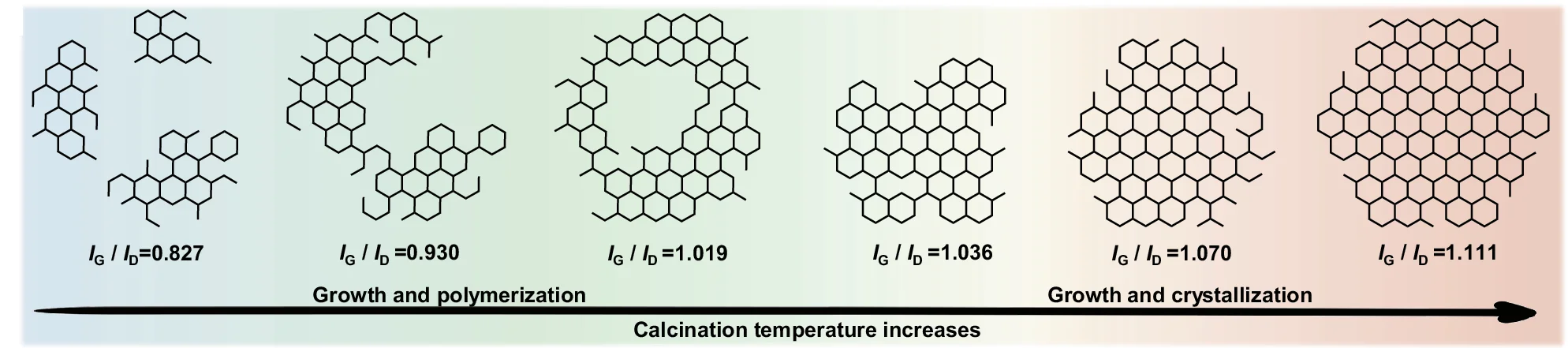
Schematic diagram of the growth process of CDs inside the SiO 2 NPs during the calcination process.

Hypothesis Illustration

Hypothesis Illustrations transform complex scientific theories into clear visual narratives, essential for grant proposals, review articles, and research presentations. This curated collection showcases conceptual diagrams, theoretical frameworks, and mechanistic models from top-tier publications. Ideal for researchers communicating novel hypotheses, experimental designs, or theoretical models in fields ranging from neuroscience to ecology. Explore effective visual storytelling techniques using Adobe Illustrator, BioRender, PowerPoint, and specialized scientific illustration tools to create compelling hypothesis visualizations that enhance research communication.
31 plotsUpdated 5 months ago
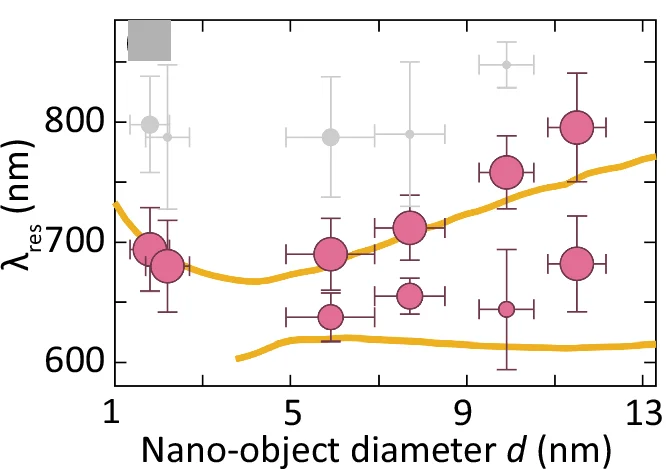
The resonance wavelength of Au nano-object with a diameter of 1.8 nm to 12 nm inside a nanocavity measured experimentally (pink circles) and simulation result from Fig. 1 c (yellow line). The size of the markers is determined by the relative frequency of occurrence in each histogram. The vertical error bar is determined from the standard deviation of the Gaussian distribution fit to the histograms, and the horizontal error bar is determined by the size variation of the nano-objects obtained from analyzing the SEM images of the nano-objects. The gray markers are the scattering peaks that have a much lower occurrence frequency, and they are attributed to the presence of more than one nano-object inside the gap.
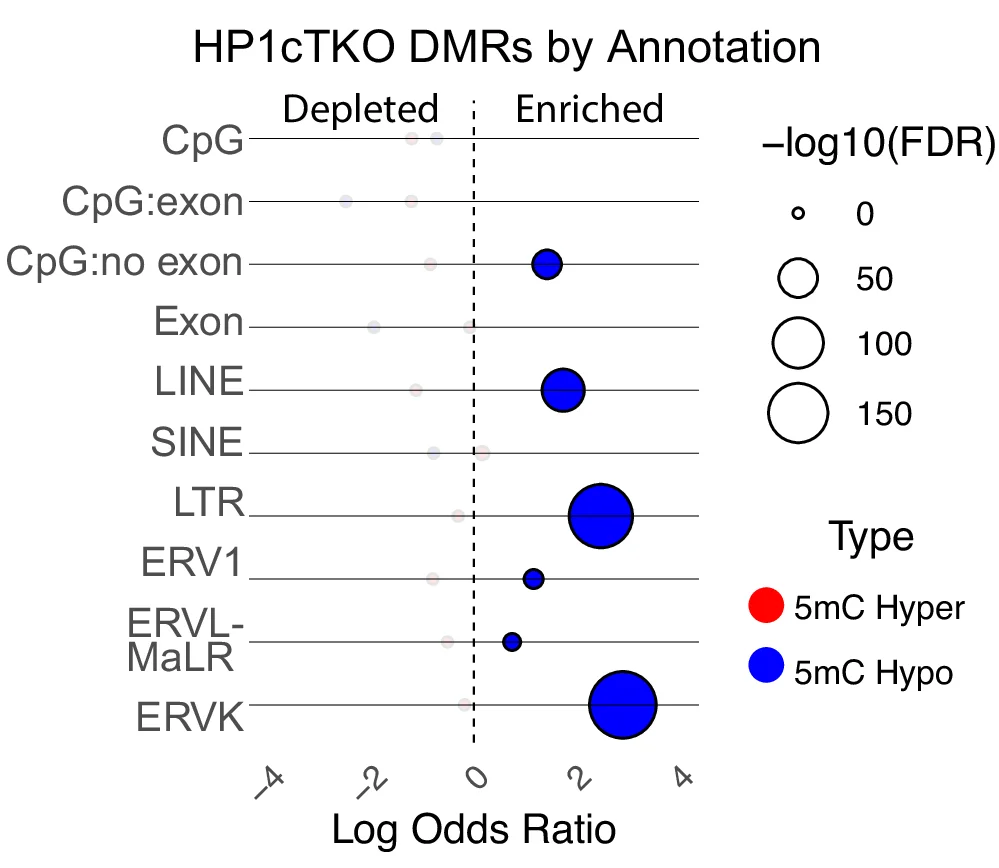
Odds ratios of HP1cTKO DMRs significantly changed (q < 0.05, > 25% change) plotted against the adjusted P value (FDR) of the respective hypergeometric test of DMRs overlapping with the annotation. CpG = CpG island, CpG:exon is the subset of CpG islands overlapping with exons, whereas CpG:no exon are CpG islands that do not overlap. ERV1, ERVL-MaLR and ERVK are subsets of LTR.
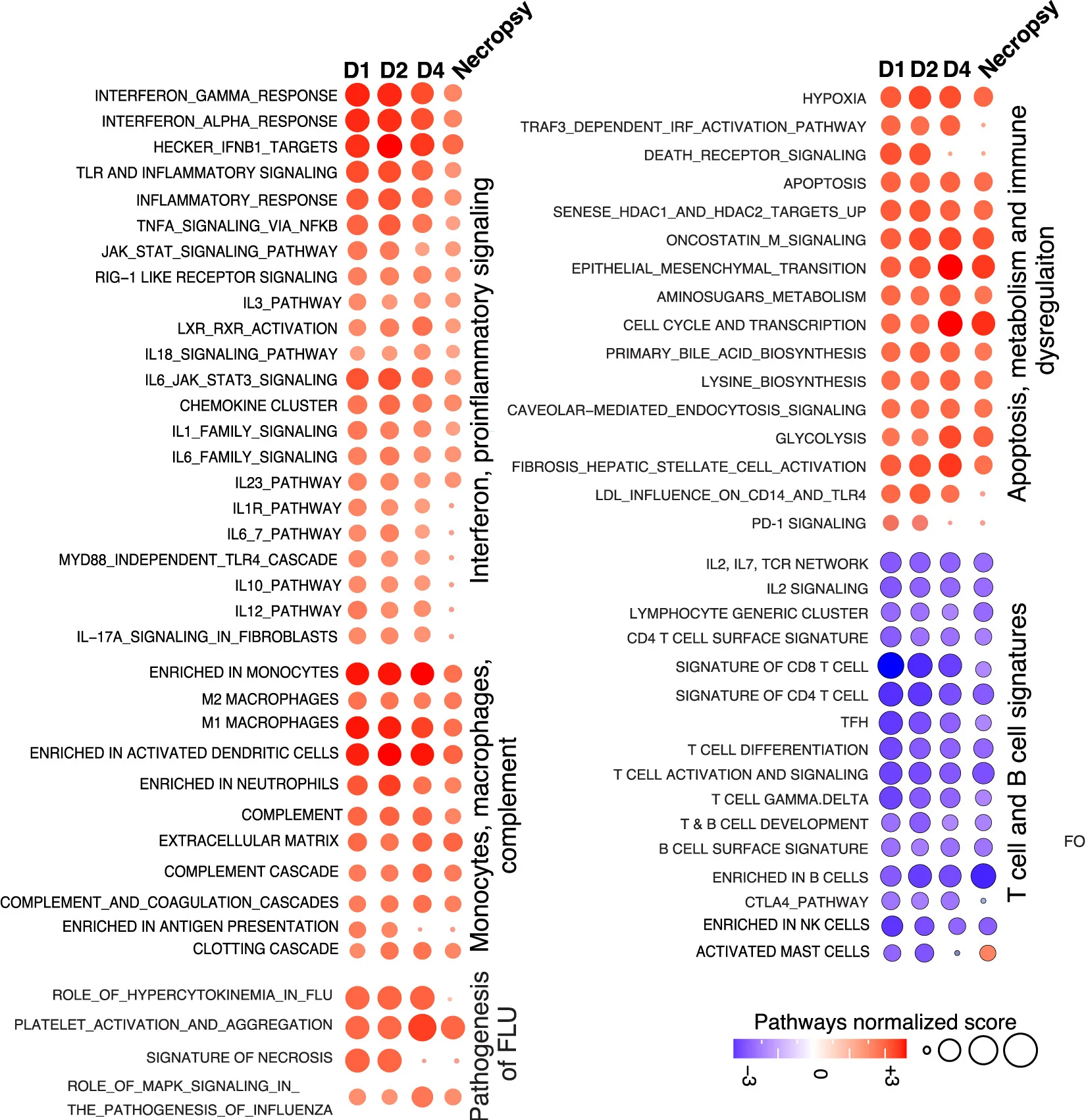
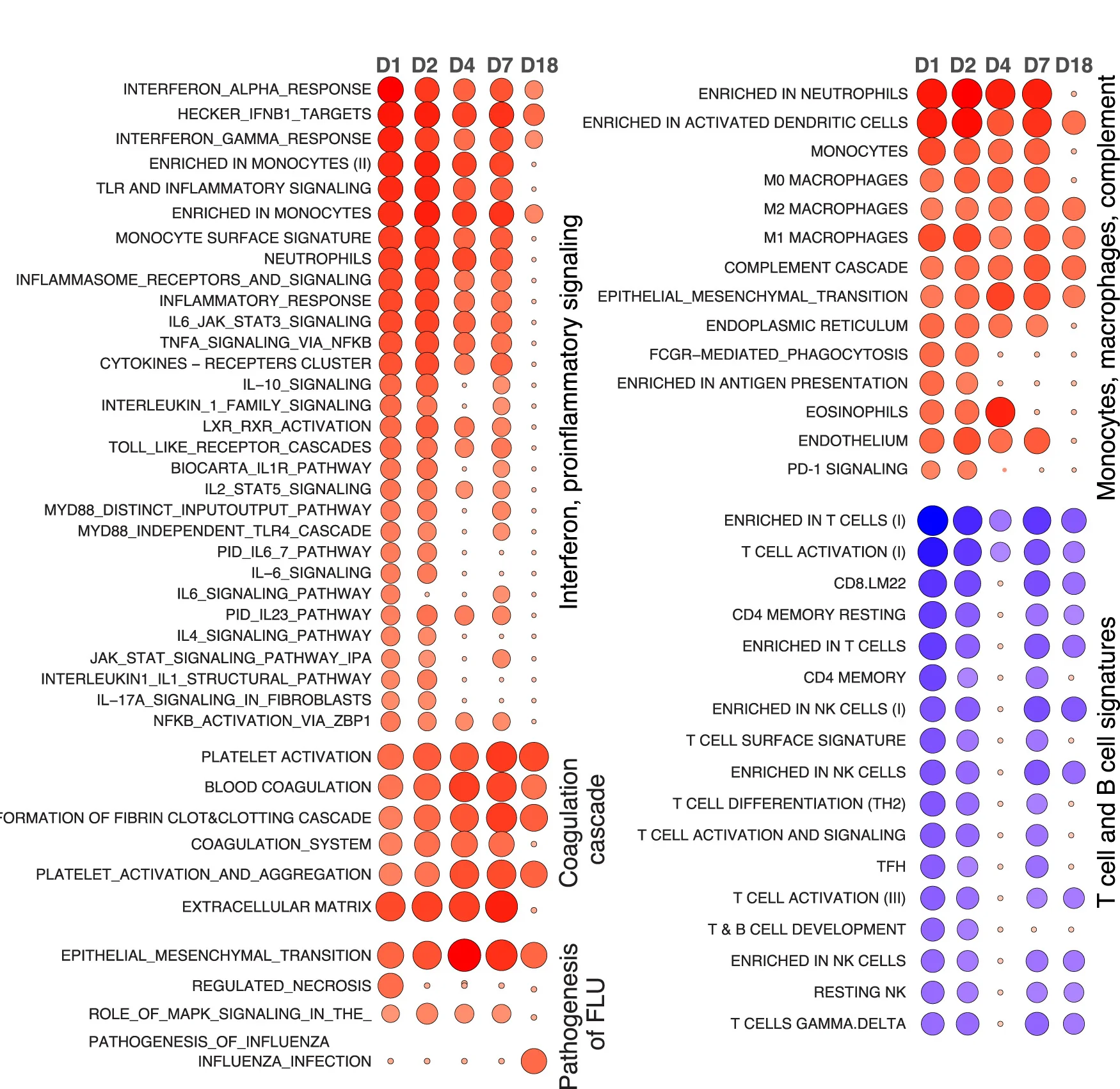
Transcriptomic profiling of cynomolgus macaques on days 1, 2, 4, or 7 and study termination (necropsy or day 18). Circle plots show gene signatures on various days following challenge as compared with baseline. Circle size refers to the level of the enrichment, and the color reflects if the pathway is enriched (red gradient) or reduced (blue gradient). All pathways were significant with a nominal p value of <0.05.
Transcriptomic profiling of rhesus macaques on days 1, 2, 4, or 7 and study termination (necropsy or day 18). Circle plots show gene signatures on various days following challenge as compared with baseline. Circle size refers to the level of the enrichment, and the color reflects if the pathway is enriched (red gradient) or reduced (blue gradient). All pathways were significant with a nominal p value of <0.05.

Bubble Plot

Bubble Plots elegantly visualize three-dimensional data relationships through position and size encoding, ideal for multivariate scientific data analysis. This collection presents sophisticated bubble plot examples from genomics, epidemiology, and environmental science publications. Perfect for researchers visualizing gene expression with p-values, population health metrics, or ecological abundance data. Explore advanced techniques for creating informative bubble charts with proper scaling, color coding, and annotations using ggplot2, plotly, and D3.js for interactive scientific data visualization.
30 plotsUpdated 5 months ago
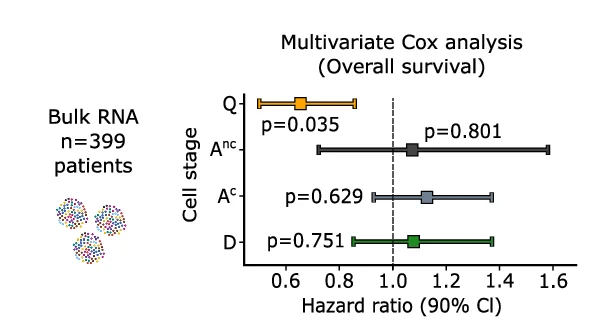
Predicted hazards with 90% confidence interval from a Cox model of n = 399 bulk GBMs from TCGA 40 and Wu et al. 24 , with age and sex covariates of overall survival by GBM-QAD signature scores. P -value from multivariate Cox model with BH-correction.
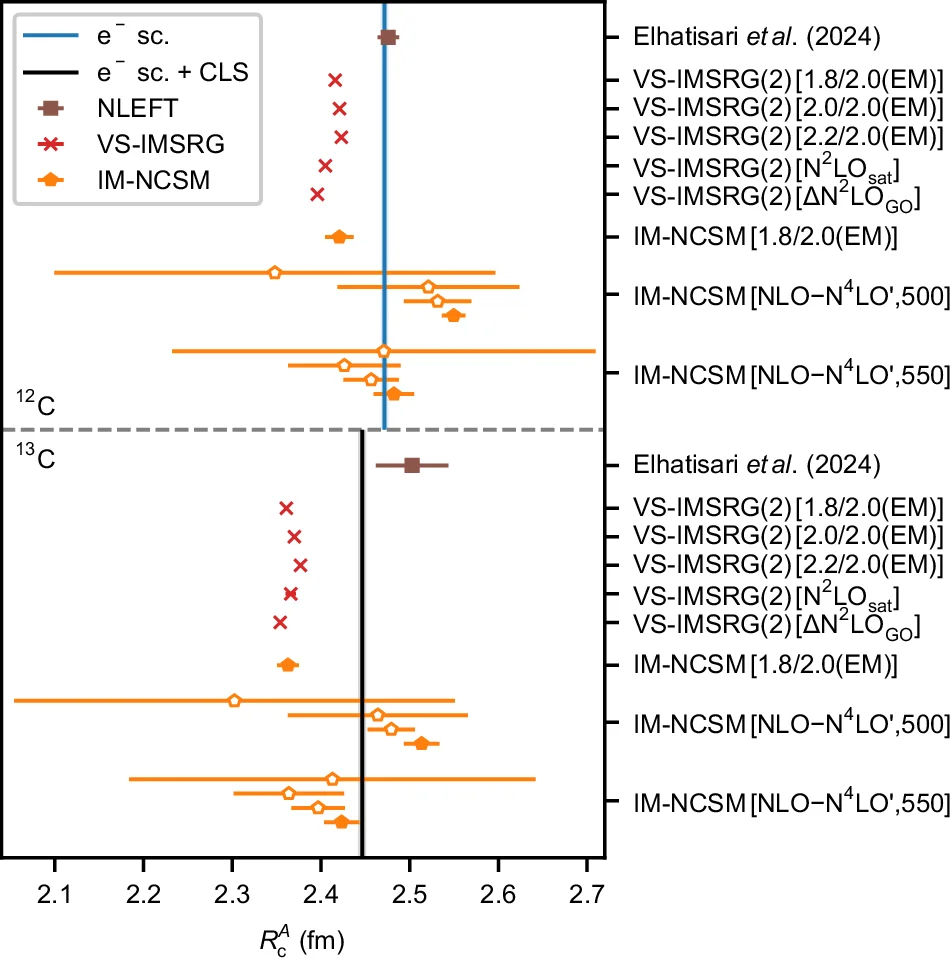
The radii {R}_{{rm{c}}}^{12,13} have been determined from ab initio valence-space in-medium similarity renormalization group (VS-IMSRG, red) and in-medium no-core shell model (IM-NSCM, orange) calculations. The lower-order IM-NSCM results are plotted with open symbols. Results from nuclear-lattice effective field theory (NLEFT, brown) were published by Elhatisari et al. 61 . The numerical values of this plot are listed in Table 2 .
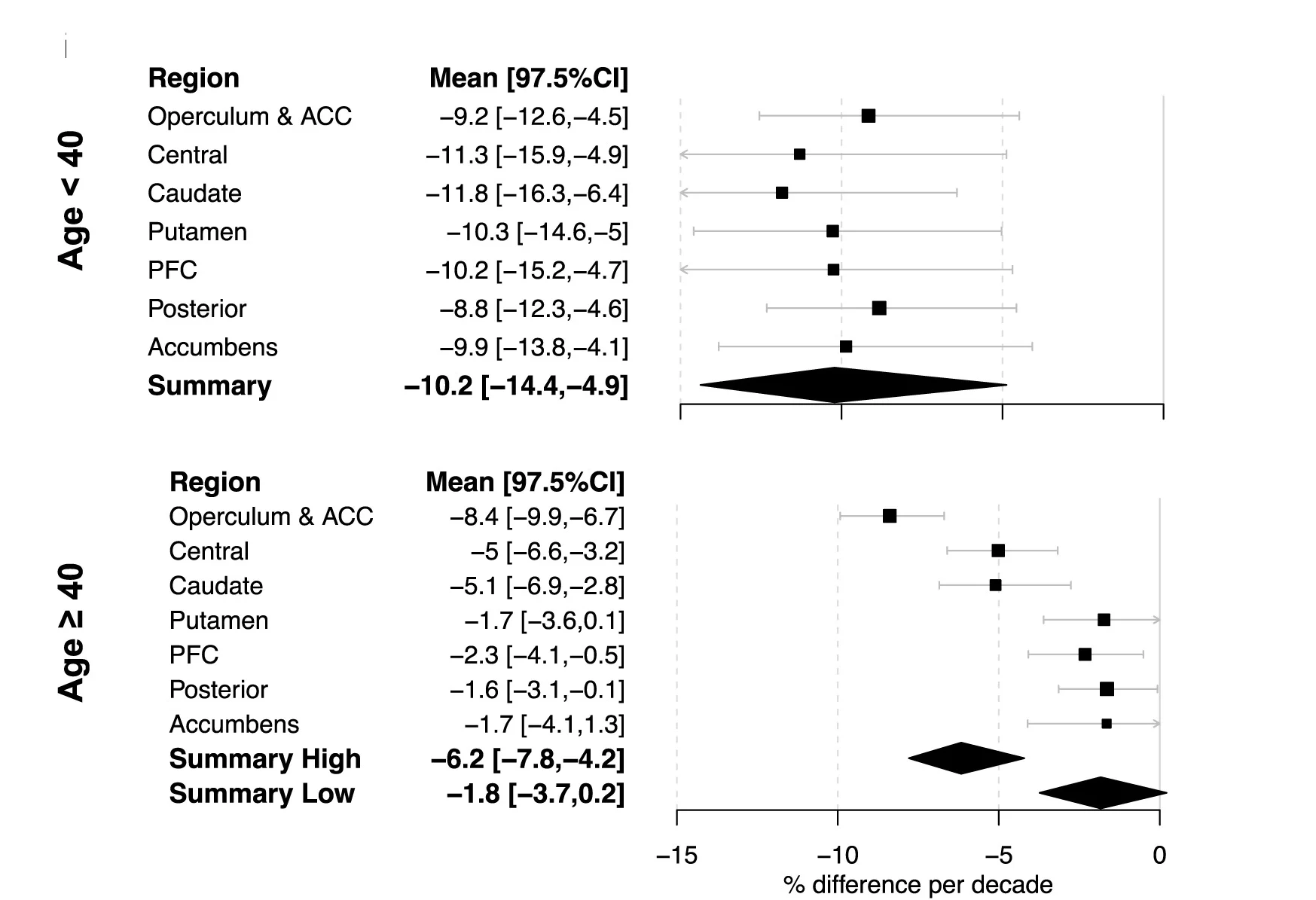
D1DR percentage of difference per decade (seeSTAR Methods) for participants younger (top) and older (bottom) than 40. Bootstrapping (n = 500) was used for estimation of mean (box) and 95% CI (whiskers) of percentage of difference per decay. Non-overlapping CIs were interpreted as significant rate differences (p < 0.05).
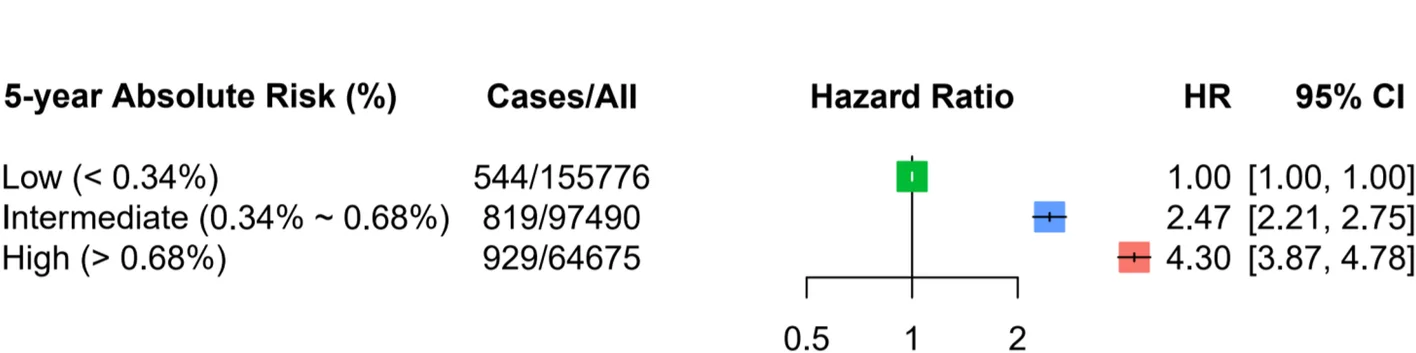
The associations between different levels of 5-year absolute risk and incident colorectal cancer. The HR and 95% CI were derived from the Cox regression model with the adjustment of center and first 10 principal components. PRS, polygenic risk score; HR, hazard ratio; 95% CI, 95% confidence intervals

Forest Plot

Forest Plots are the gold standard for meta-analysis visualization, displaying effect sizes and confidence intervals across multiple studies. This collection showcases exemplary forest plots from systematic reviews, clinical meta-analyses, and evidence synthesis publications. Critical for researchers conducting Cochrane reviews, clinical guidelines, or comparative effectiveness research. Learn to create professional forest plots showing pooled effects, heterogeneity statistics, and subgroup analyses using specialized R packages like meta, metafor, and forestplot for publication-ready meta-analysis figures.
26 plotsUpdated 5 months ago
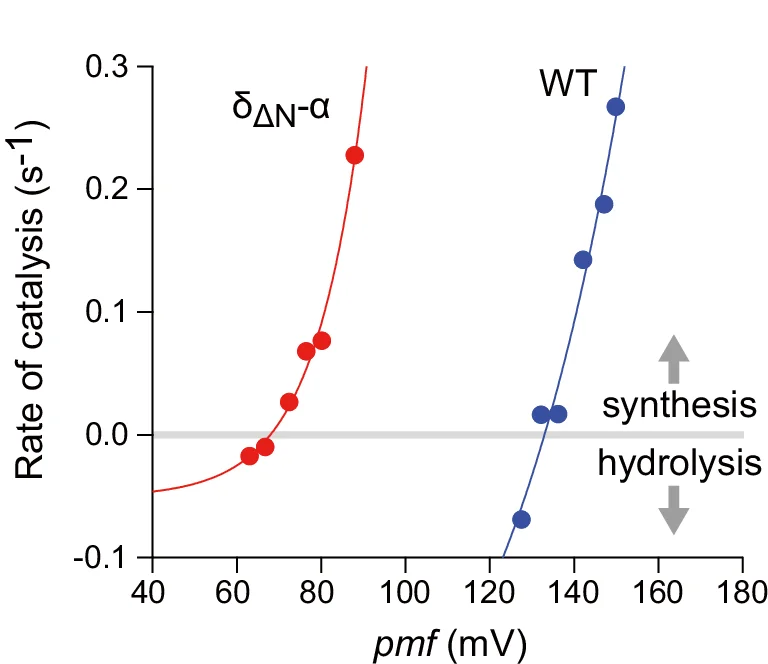
The ATP synthesis/hydrolysis rates determined from ( a ) were plotted against pmf . The data points were fitted with an exponential function for the determination of the equilibrium pmf, pmf eq , as the interception of the x axis.
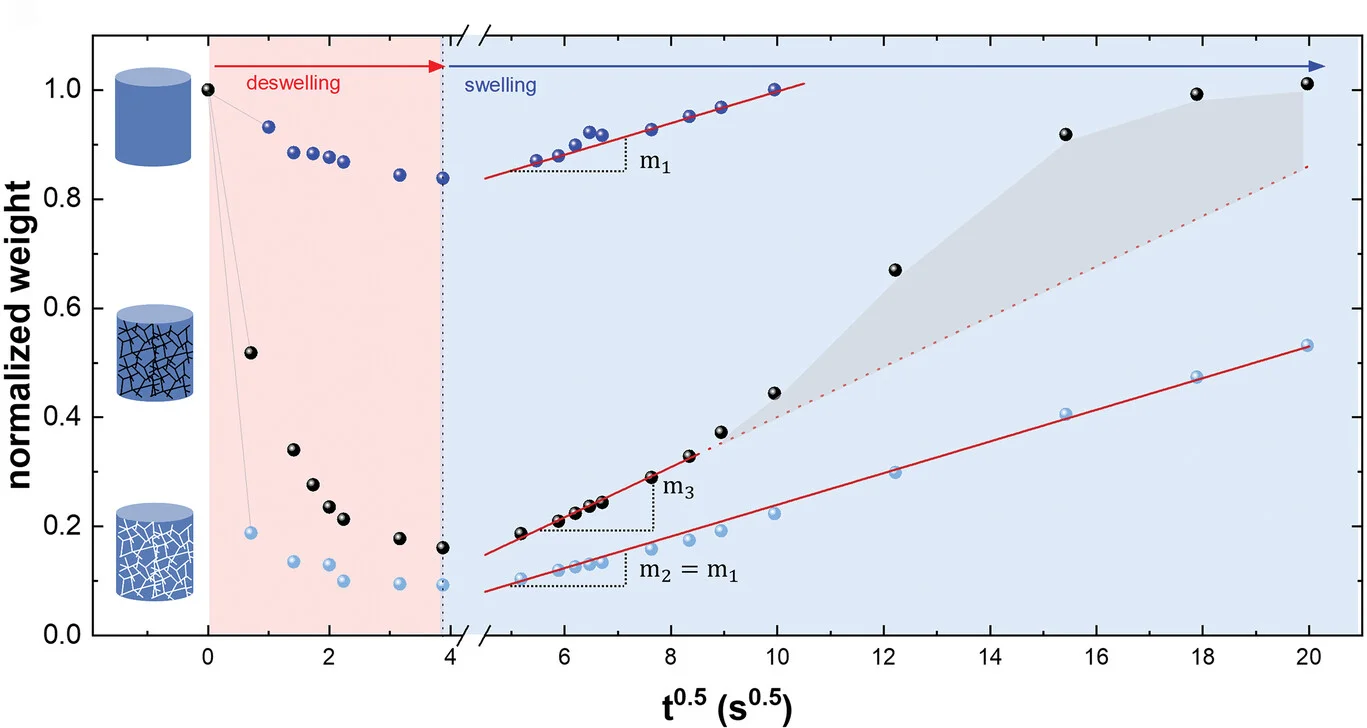
Deswelling and swelling curves as a function oft0.5of PNIPAM-bulk, PNIPAM-structured and PNIPAMEG (0.35 vol%).
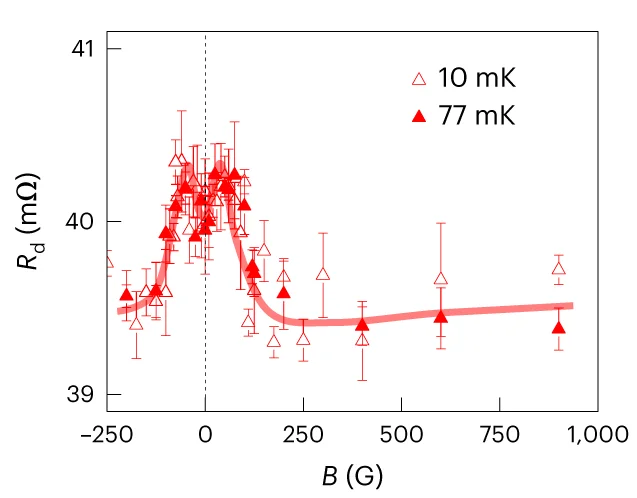
Magnetic-field-dependent R d at 10 and 77 mK, showing a small dip in the low-magnetic-field regime. The solid lines are guides to the eye. Error bars in a and b represent the standard error of the mean due to repeated measurements (Supplementary Section 1 ).
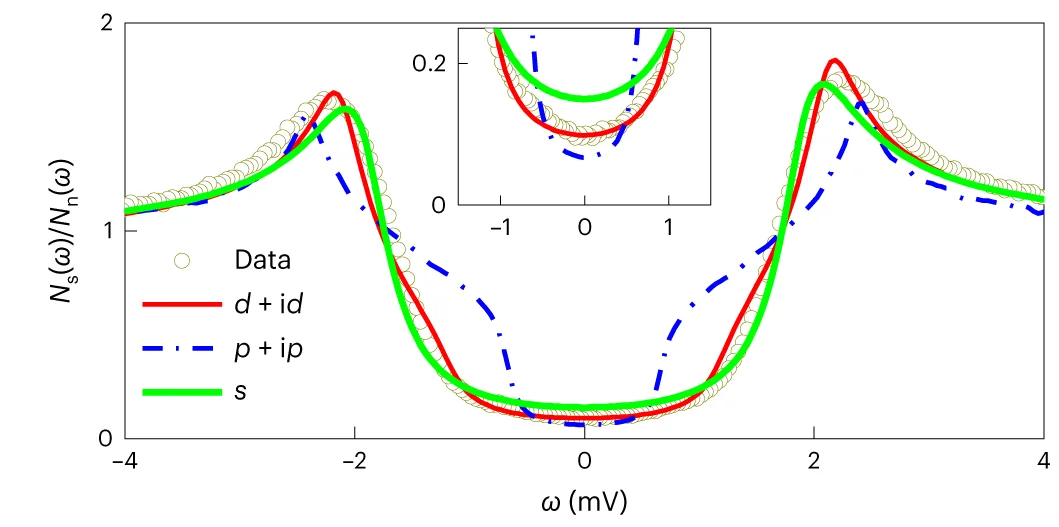
Best fits of the low-energy normalized d I /d V spectra at T = 0.5 K for different pairing symmetries. The inset shows a zoomed-in view of the zero-bias region.

Regression Plot

Regression Plots visualize statistical relationships between variables, essential for predictive modeling and correlation analysis. This collection presents publication-quality regression plot examples from dose-response studies, calibration curves, and predictive models. Perfect for researchers performing linear regression, logistic regression, or non-linear modeling in experimental sciences. Learn to create informative regression plots with confidence bands, residual diagnostics, and model comparison using ggplot2, seaborn, and specialized statistical visualization packages.
24 plotsUpdated 5 months ago
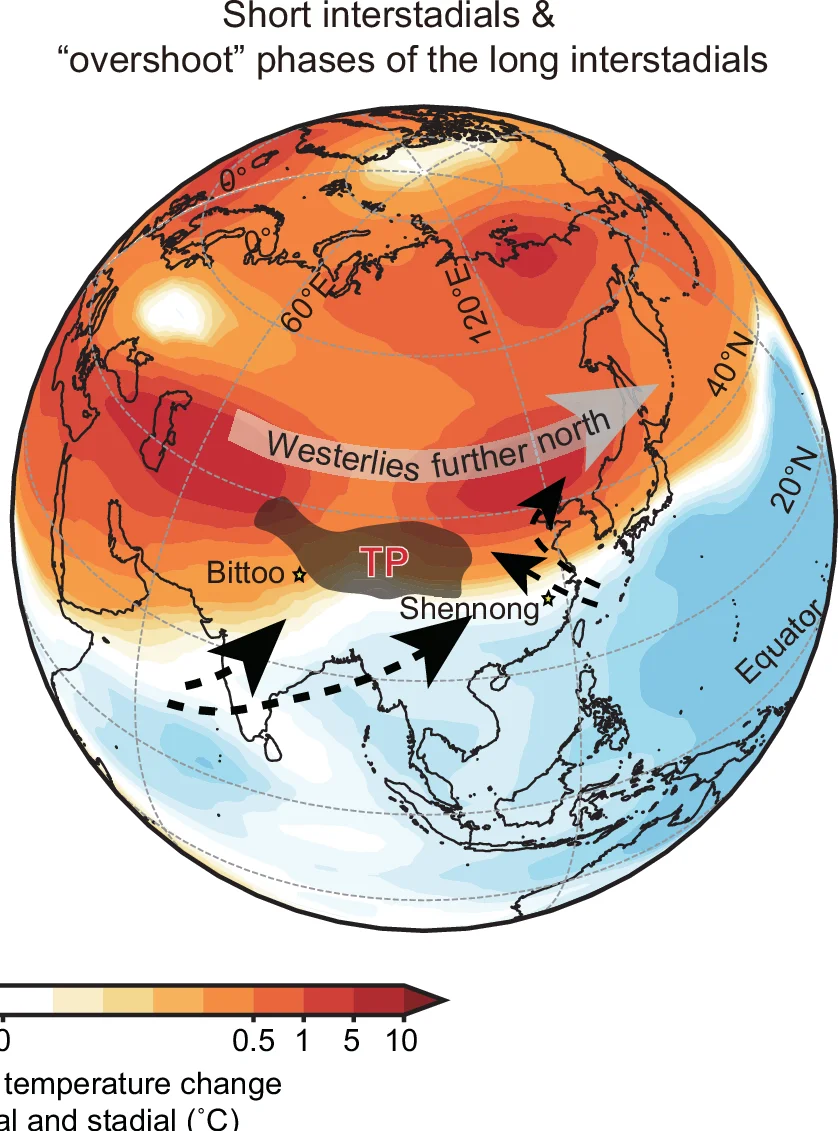
The same as in (a), but the temperature change is between short interstadial and stadial (simulated Overshoot minus Stadial phases), and Westerlies and low-level water vapor transport are during the short DO warming events. The time periods of simulated Overshoot, Interstadial and Stadial phases refer to Fig. 4a. The definition of short, intermediate-long and super-long interstadials refers to Fig. 3. TP indicates the approximate location of the Tibetan Plateau. DO Dansgaard-Oeschger.
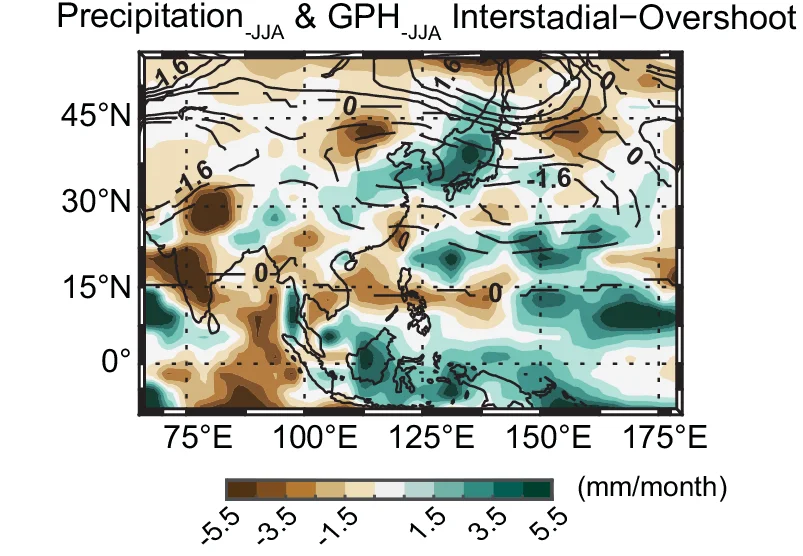
same as ( a ) but for the differences between long and short interstadials (Interstadial minus Overshoot phases). The intervals between each line correspond to 8/15.
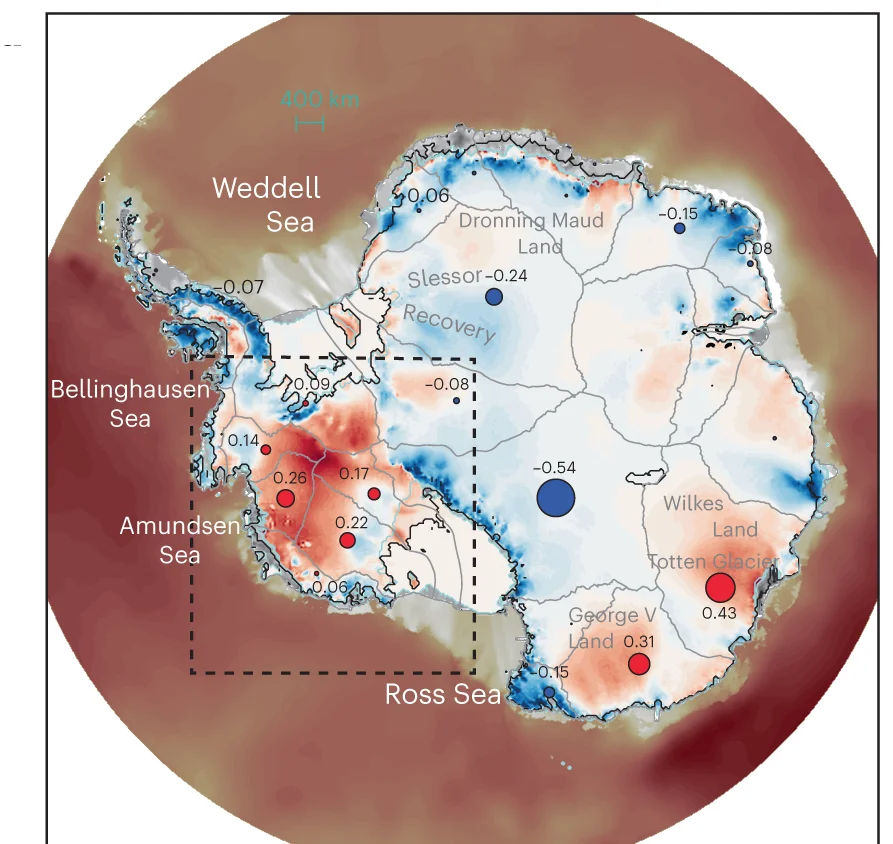
Change in AIS elevation (colours) and the corresponding sea-level contribution (numbers in units of metres) of the different Antarctic drainage sectors as well as ocean subsurface temperatures for RCP 2.6.
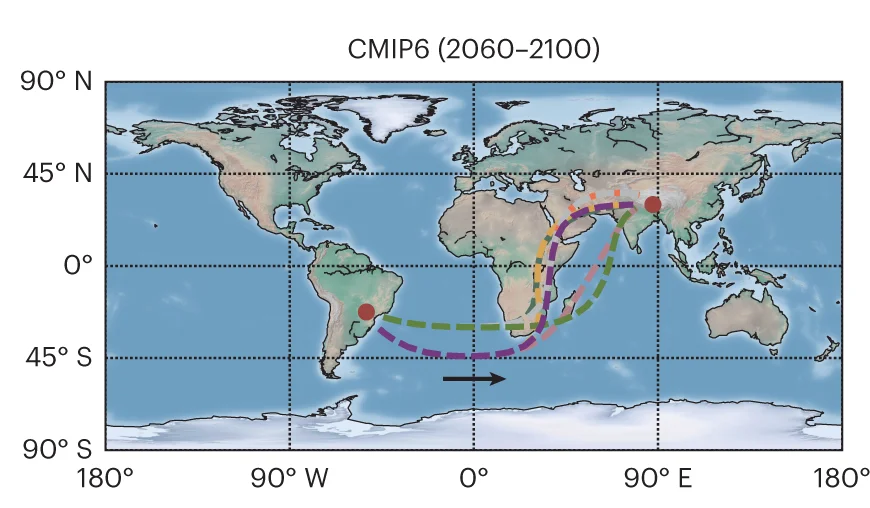
The large red and blue dots depict the starting and ending nodes and the small dots are the network nodes passed along the path. The black arrow indicates the propagation direction. The potential meteorological interpretation of this path is described by three parts, corresponding to the dashed lines with different colours.

Geo Map

Geo Maps (choropleth maps) powerfully visualize spatial data patterns in epidemiology, ecology, and public health research. This collection features high-quality geographic visualizations from disease surveillance, environmental monitoring, and population health studies. Essential for researchers analyzing geographic disparities, disease spread, or environmental gradients. Discover techniques for creating informative maps with proper projections, color scales, and statistical overlays using R packages like ggmap, leaflet, and specialized GIS tools for scientific spatial data visualization.
21 plotsUpdated 5 months ago
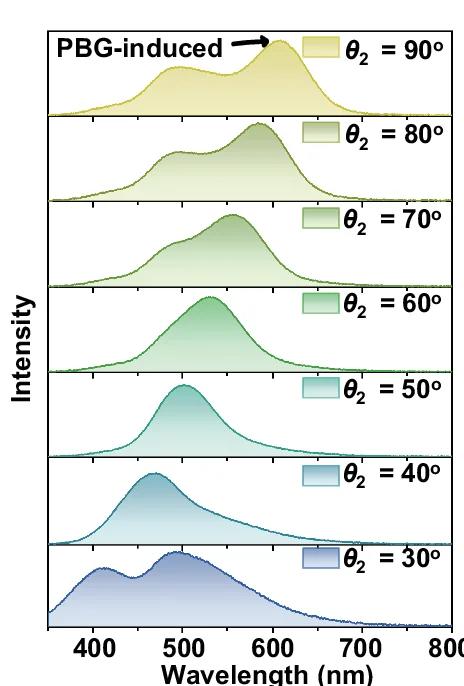
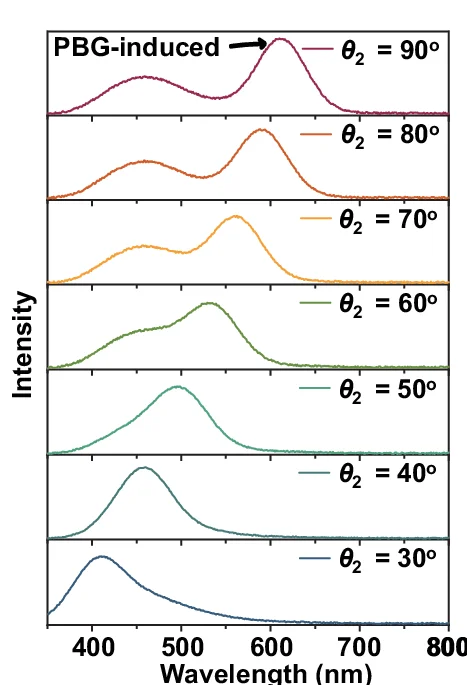
Angle-dependent FL and RTP spectra of R-PC gel.
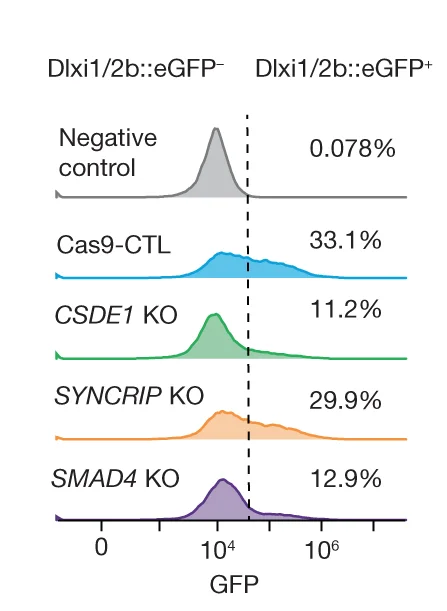
Percentages of Dlxi1/2b::GFP + cells by flow cytometry analysis in day 45 hSO. Negative control: hSO without GFP expression. The x axis shows GFP intensity and the y axis shows counts.
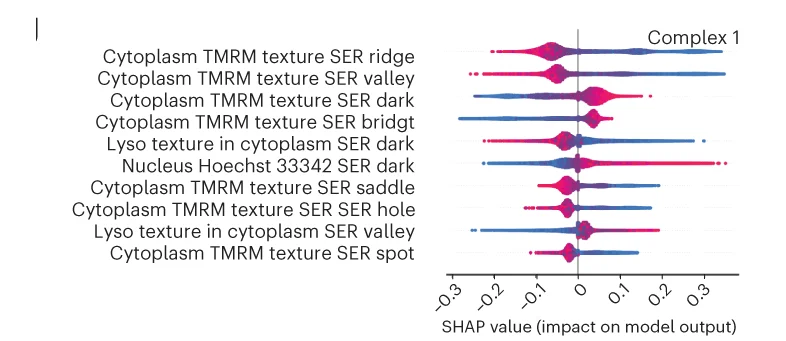
A SHAP summary plot for the top ten most important features based on their SHAP values for complex 1. Dots are coloured according to the values of features for each cell; red and blue represent high and low feature values, respectively. A positive SHAP indicates an increased probability of predicting each state (positive impact on the output) and vice versa.

Ridge Plot

A Ridge Plot, also known as a joyplot, is a visually striking chart that allows you to compare the distributions of a continuous variable across several different categories. It consists of a series of density plots that are partially overlapped, creating an effect reminiscent of a mountain range. This arrangement makes it incredibly effective for visualizing how a distribution changes from one group to another, such as illustrating changes in temperature over different months or exam scores across various schools. The ridge plot offers a compact and compelling alternative to faceting, providing a clear, high-data-density view that is both informative and aesthetically pleasing.
18 plotsUpdated 5 months ago
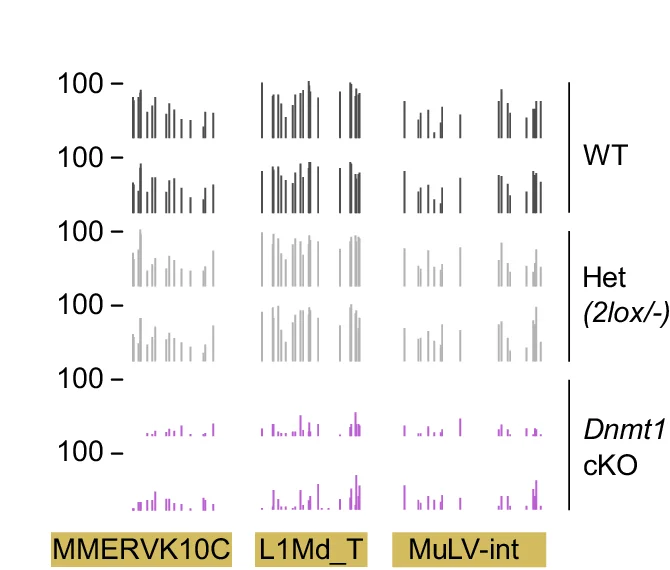
Examples of RRBS methylation profiles of retrotransposons in Dnmt1 cKO and control E13.5 PGCs (MMERVK10C chr18: 68,779,000  68,779,300; L1Md_T chr8: 91,423,000  91,423,500; MuLV-int chr8:123,427,900-123,428,800). Boxplots: center line indicates the median, red dot indicates the mean, box limits indicate upper and lower quartiles, whiskers extend to 1.5 interquartile range. Source data are provided as a Source Data file.
Boxplots of methylation levels of individual CpGs within residually methylated regions (RMRs) compared to the whole genome in female and male E13.5 PGCs ( n = 18,909,193 CpGs for the whole genome, n = 350,807 CpGs for RMRs).
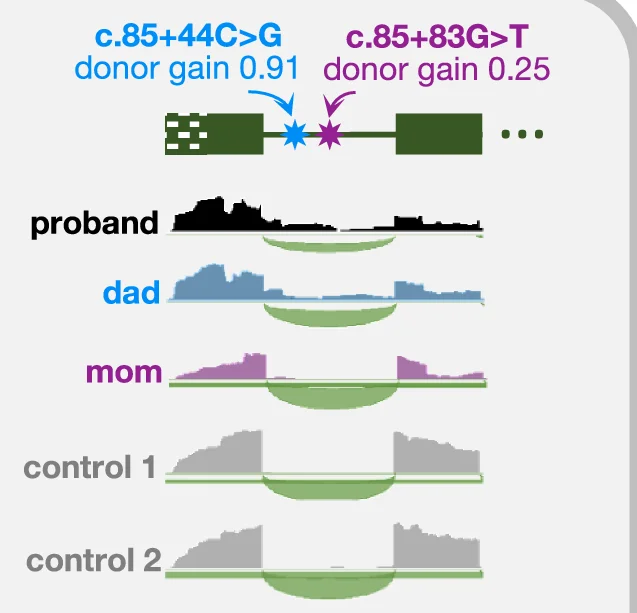
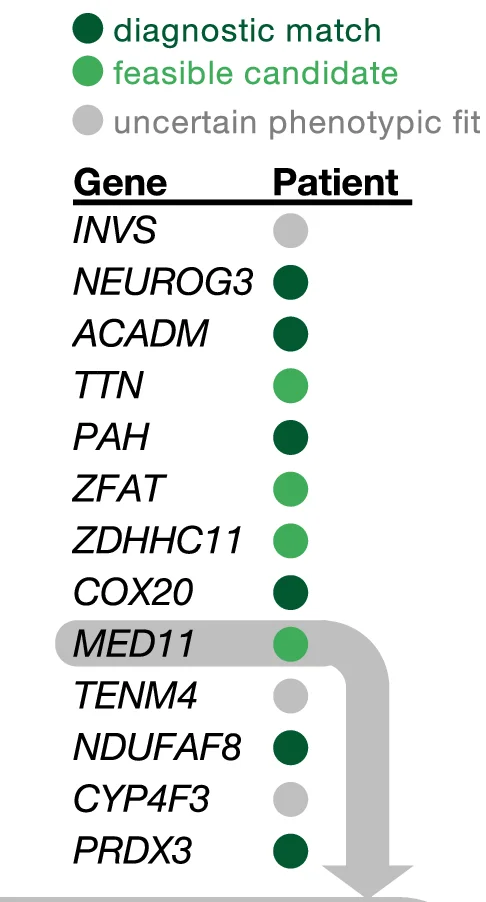
RNA-Seq reads from whole blood samples aligned to first two exons and first intron of MED11 for proband (black), dad (blue), mom (purple) and two tissue-matched control samples (gray). Thin green line represents the intron, solid boxes represent protein-coding exonic regions, and the dotted box represents the 5’ untranslated region of MED11 .
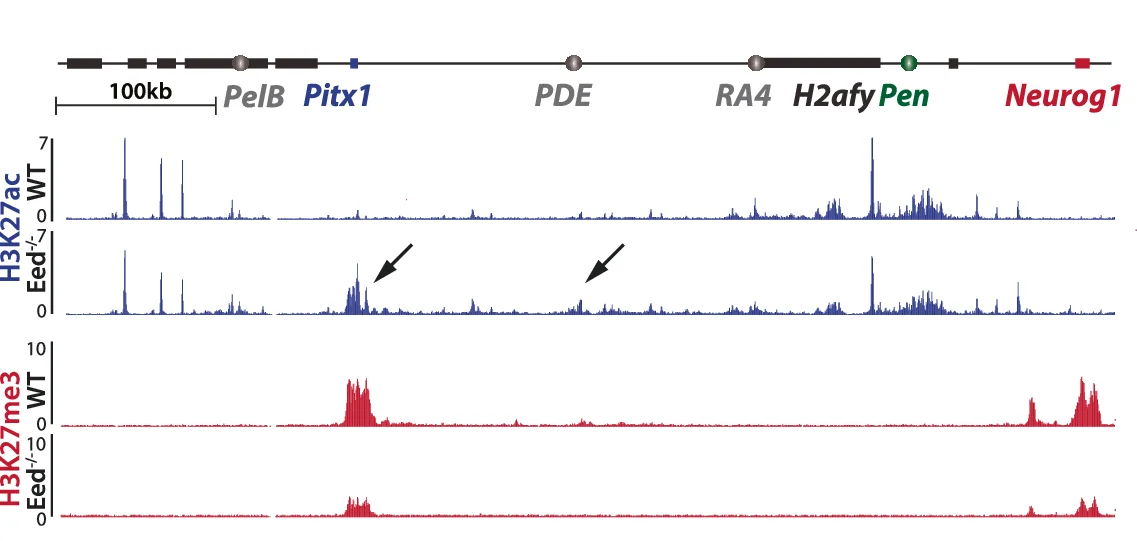
ChIP-seq of H3K27ac (first two tracks) and H3K27me3 (two last tracks) show an accumulation of H3K27ac at the Pitx1 locus (black arrows) in proximal Prx1-Cre;Eed flox/- ( Eed -/- ) compared to wildtype (WT) forelimbs and an overall reduction of H3K27me3 signal.

Genome Coverage Profile

Genome Coverage Profiles visualize sequencing depth and read distribution across genomic regions, essential for next-generation sequencing (NGS) data analysis. This collection presents exemplary coverage plots from ChIP-seq, RNA-seq, ATAC-seq, and whole-genome sequencing studies published in high-impact journals. Ideal for bioinformaticians and genomics researchers analyzing peak calling, transcriptome profiling, and chromatin accessibility. Discover effective visualization techniques for IGV browser tracks, bedGraph files, and bigWig data using tools like deepTools, UCSC Genome Browser, and custom R/Python scripts for publication-quality genomics figures.

17 plotsUpdated 5 months ago
Nuclear spin readout histograms. The x axes correspond to the number of photons measured immediately after an excitation pulse at each frequency,  ↑ ↑ ,  ↑ ↓ ,  ↓ ↑ and  ↓ ↓ , is sent to the electron, summed over 200 repetitions at each frequency. This experiment was repeated ~1,000 times and the resulting number of photons detected was recorded each time to build up the histograms shown.
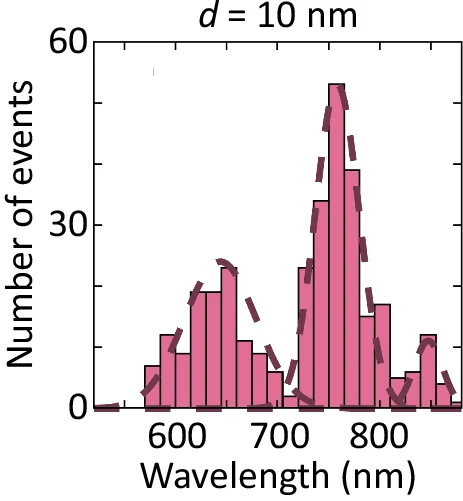
The histogram of the scattering peak of the measured nanocavities with a 10 nm nano-object inside the nanocavity. The dashed line is a Gaussian fit to the histogram.
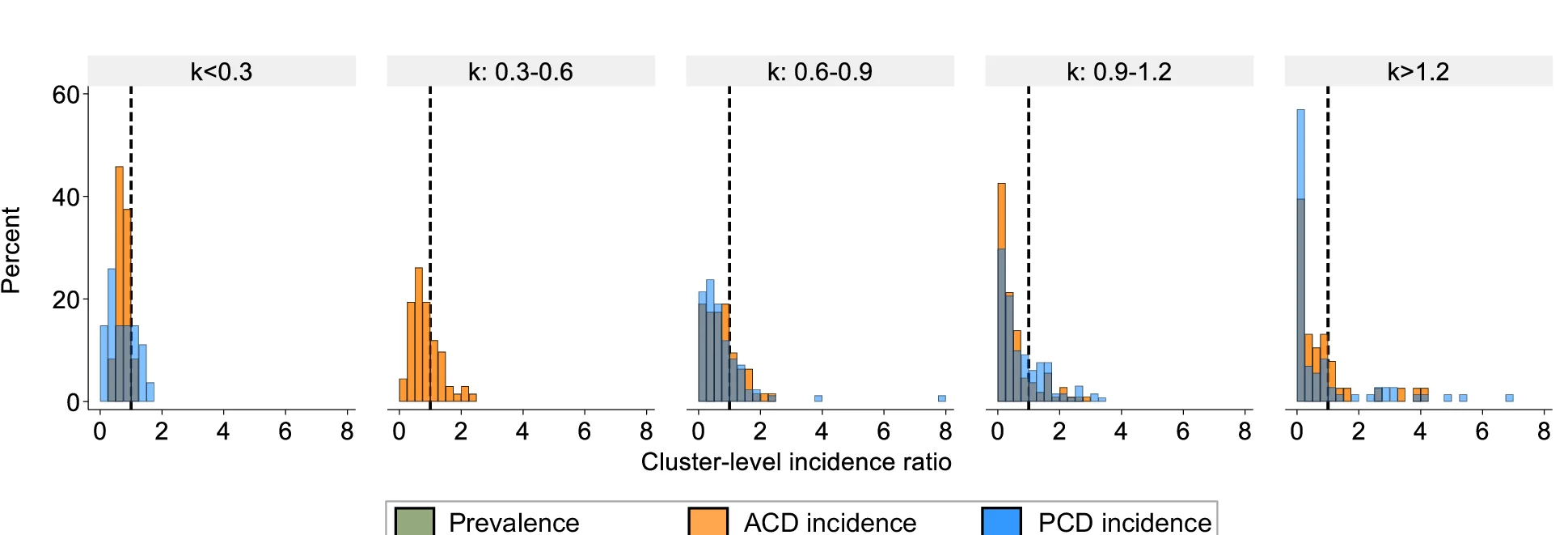
Histogram of all study years cluster-level effect sizes stratified by the control year k estimates. Cluster-level effect size: intervention cluster incidence/corresponding control arm average incidence. Horizontal dashed line represents the null effect size of one. Intervention clusters with incidence ratios <1 exhibited an incidence value lower than the average incidence in the control.
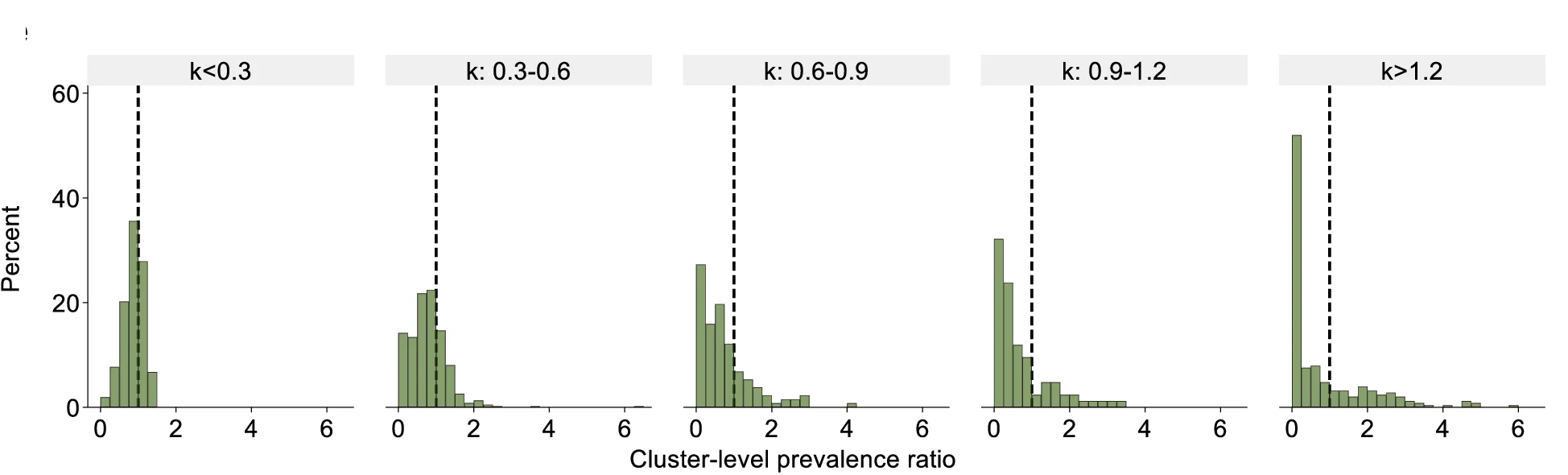
Histogram of all the post-intervention surveys cluster-level effect sizes stratified by control survey k estimates. Cluster-level effect size: intervention cluster prevalence/corresponding control arm average prevalence. Horizontal dashed line represents the null effect size of one. Intervention clusters with prevalence ratios <1 exhibited a prevalence value less than the average prevalence in the control.

Histogram

A Histogram is a classic and essential tool for visualizing the distribution of a single continuous variable. It groups data into a series of bins or intervals and displays the frequency of observations in each bin as a bar. This provides a clear, at-a-glance understanding of the data's underlying distribution, including its central tendency, spread, skewness, and modality (the number of peaks). Histograms are fundamental to exploratory data analysis, helping you to understand your data's characteristics before applying more complex statistical methods. They are perfect for analyzing exam scores, heights, weights, or any numerical dataset.
17 plotsUpdated 5 months ago
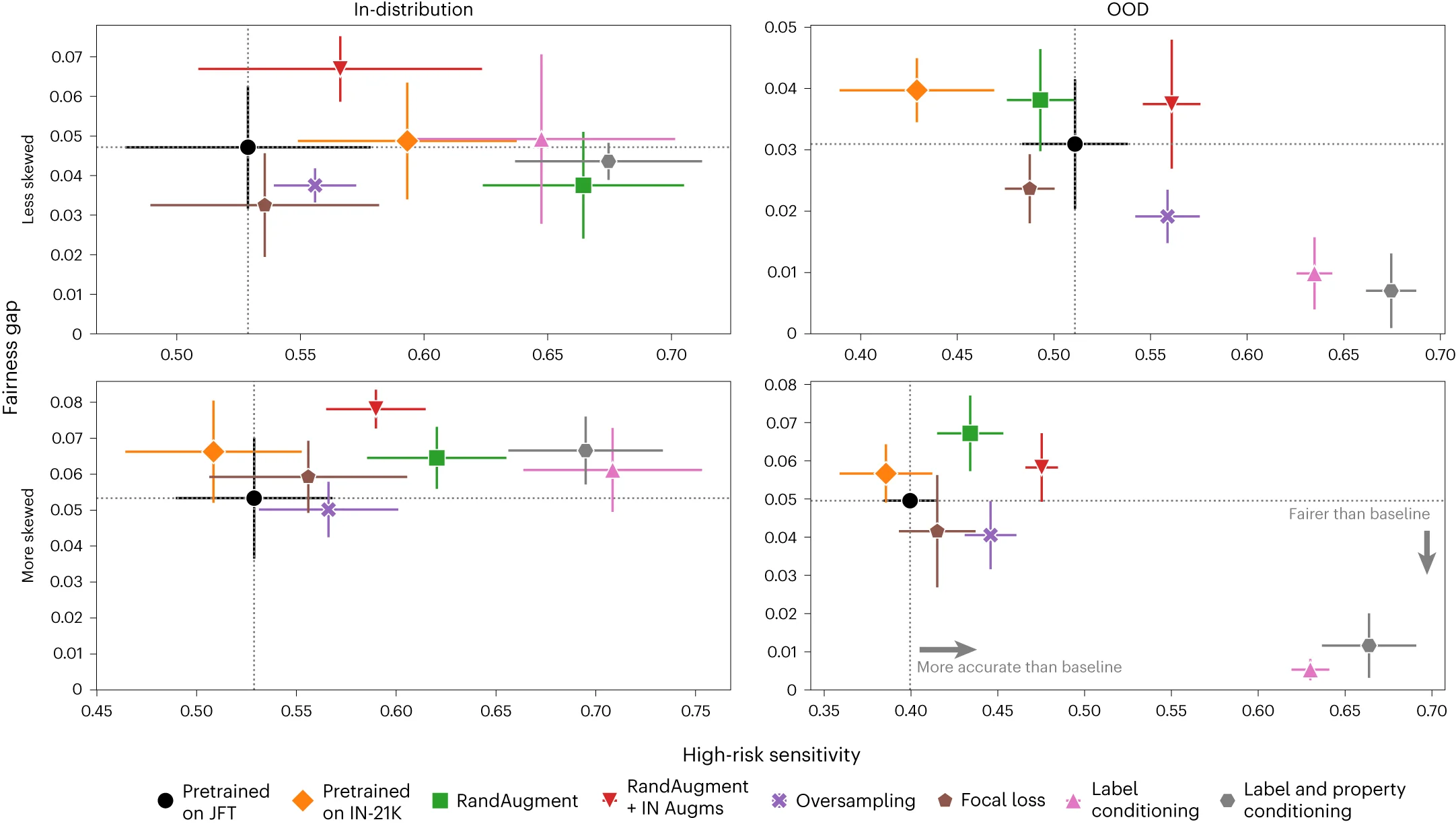
Comparison of high-risk sensitivity (for basal cell carcinoma, melanoma and SCC/SCCIS) versus fairness gap with regard to sex in dermatology across different baselines. We report results in-distribution (left) and OOD (right) for OOD 1, as well as for the less skewed (top) and more skewed (bottom) setting. We marked the baseline Pretrained on JFT with black. Label conditioning and Label and property conditioning correspond to the models that used synthetic images sampled from a diffusion model conditioned on only the label, and the label and sensitive attribute, respectively. We further compared to other strong contenders, that is, a BiT-ResNet model pretrained on ImageNet-21K (Pretrained on IN-21K), a model pretrained on JFT using RandAugment heuristic augmentations (RandAugment), a model trained with RandAugment on top of standard ImageNet augmentations (RandAugment + IN Augms), a model trained on a resampled version of the training dataset that is more balanced with regard to the sensitive attribute (Oversampling) and a model trained with focal loss (Focal loss). To ensure a fair comparison, all methods were trained and finetuned for the same number of steps and with the same batch size. For the fairness gap, smaller values are preferable. There are n = 1,349 samples in the in-distribution dataset and n = 6,639 samples in the OOD dataset. Data are presented as the mean s.d. across five technical replicates.
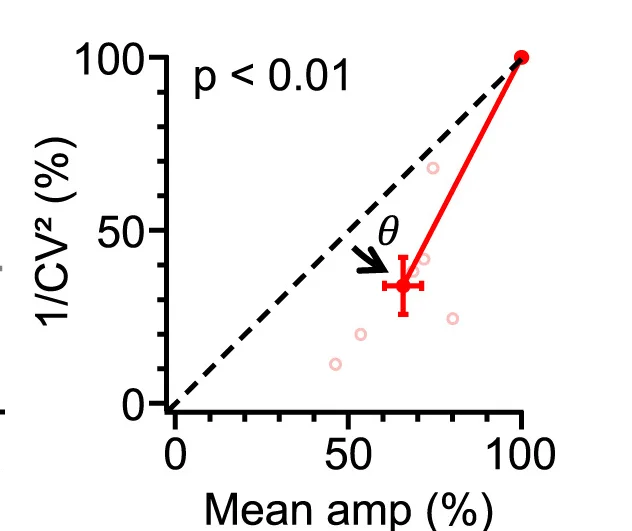
CV analysis (Wilcoxon test, θ = 17° ± 8°) agreed that CHX reduced release. Mean ± SEM.**p < 0.01,***p < 0.001.
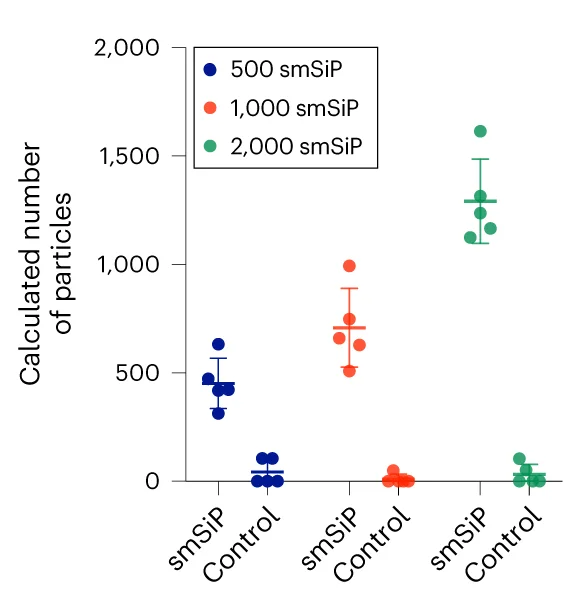
Number of smSiP experimentally observed in smSiP–counting beads or PBS 1x–counting beads mixtures after the sorting of 500, 1,000 and 2,000 particles from smSiP at 0.05 mg ml −1 and PBS 1x solutions ( n = 5).
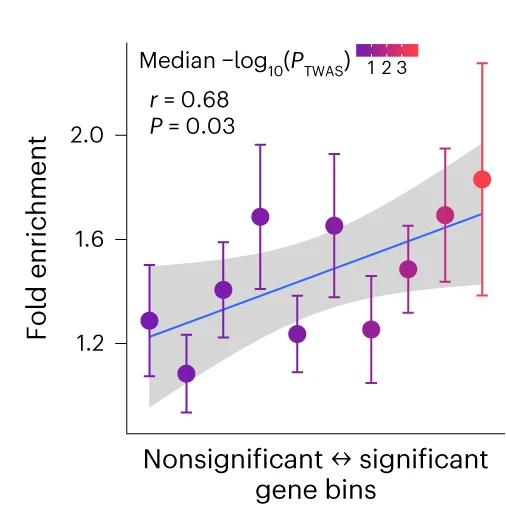
Pearson’s r between TWAS significances (color bar) of genes in pig BFT and their heritability enrichments (mean ± s.e.) in human weight. The orthologous genes were divided into ten evenly spaced bins by sorting the P values of TWAS in the brain of pig BFT. Shading: standard error of the fitting line.

Scatter Plot with Error Bars

Scatter Plots with Error Bars combine data relationships with measurement uncertainty, crucial for rigorous scientific data presentation. This collection showcases publication-quality examples from experimental physics, analytical chemistry, and quantitative biology. Perfect for researchers presenting calibration curves, dose-response relationships, or correlation analyses with confidence intervals. Master techniques for properly displaying measurement error, propagating uncertainties, and creating transparent scientific figures using specialized plotting libraries and error propagation tools.
17 plotsUpdated 5 months ago
Selected GSEA enrichments from genes ranked by DEseq2 log fold-change between pseudobulked SFRP1-OE and control from ( c ). P-values from GSEA enrichment are FDR-adjusted.
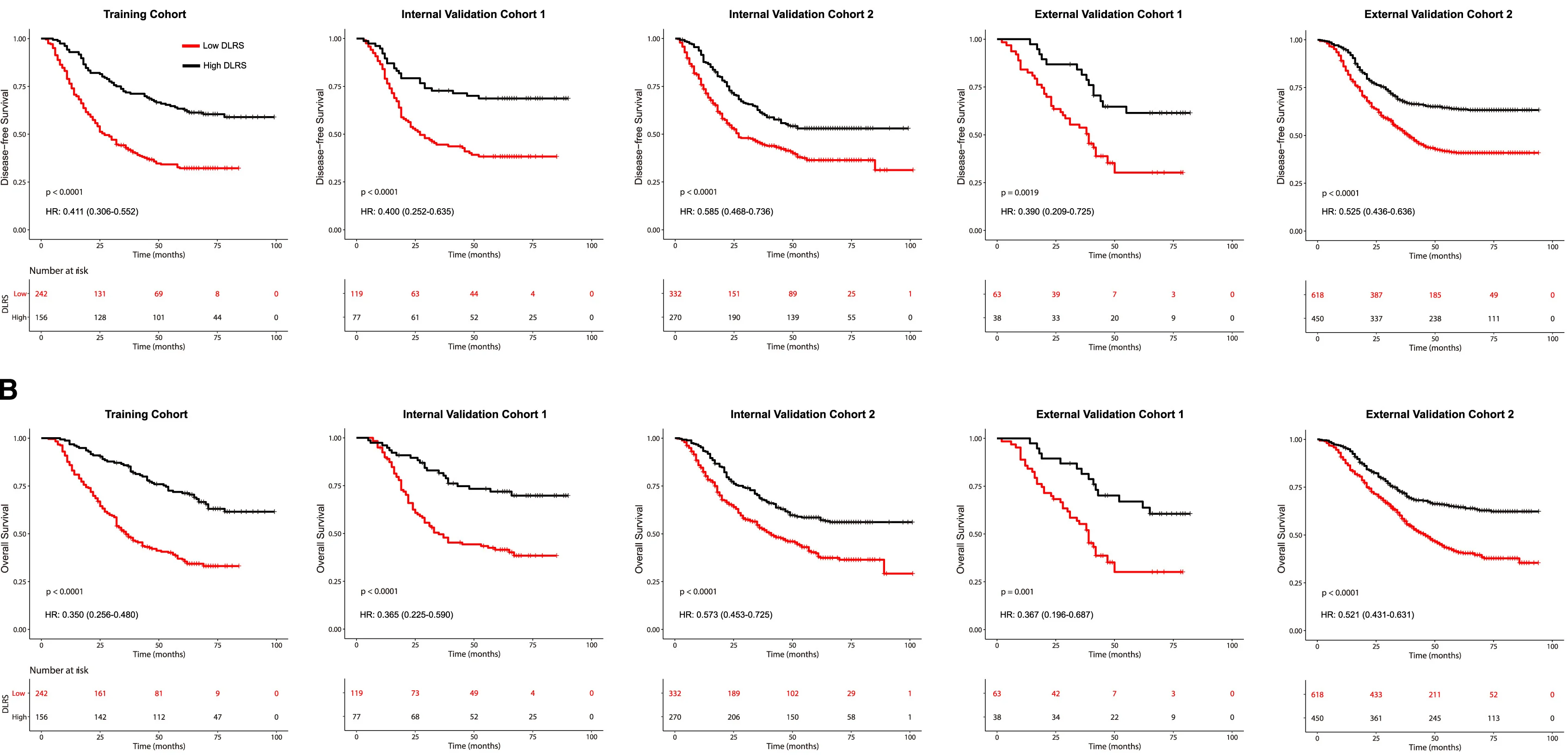
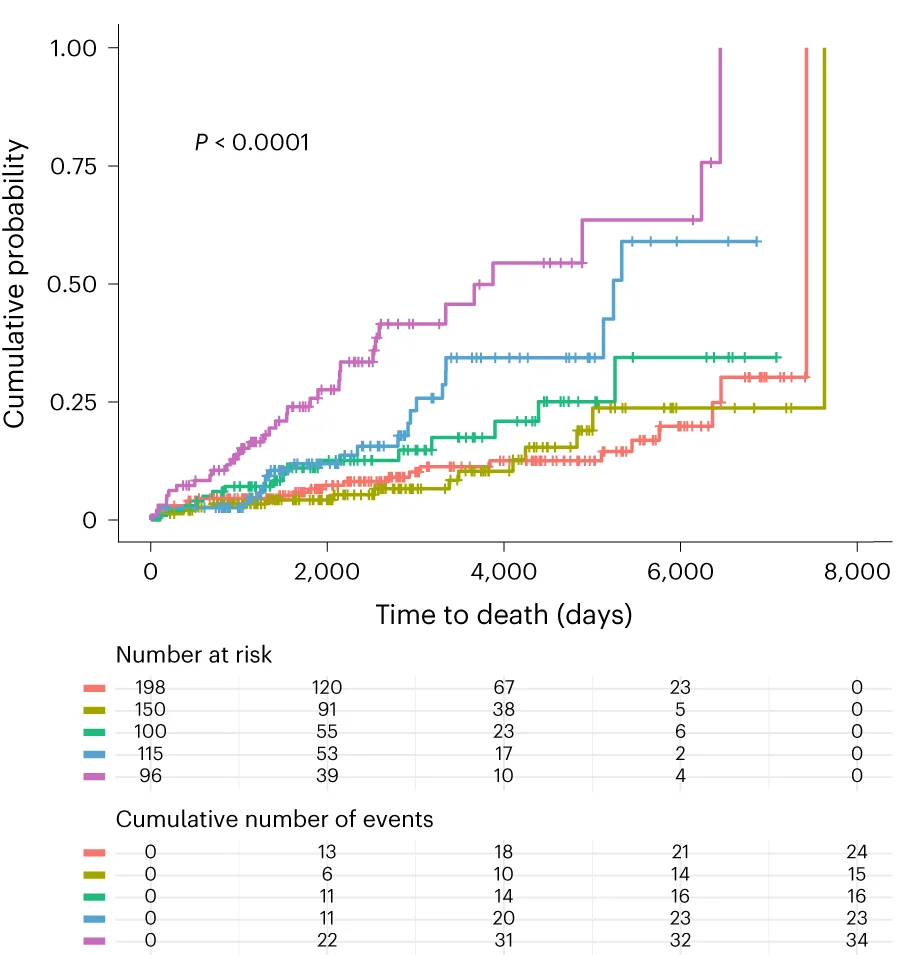
KaplanMeier time-to-event analysis with log-rank test P value for all-cause mortality ( P < 0.0001).
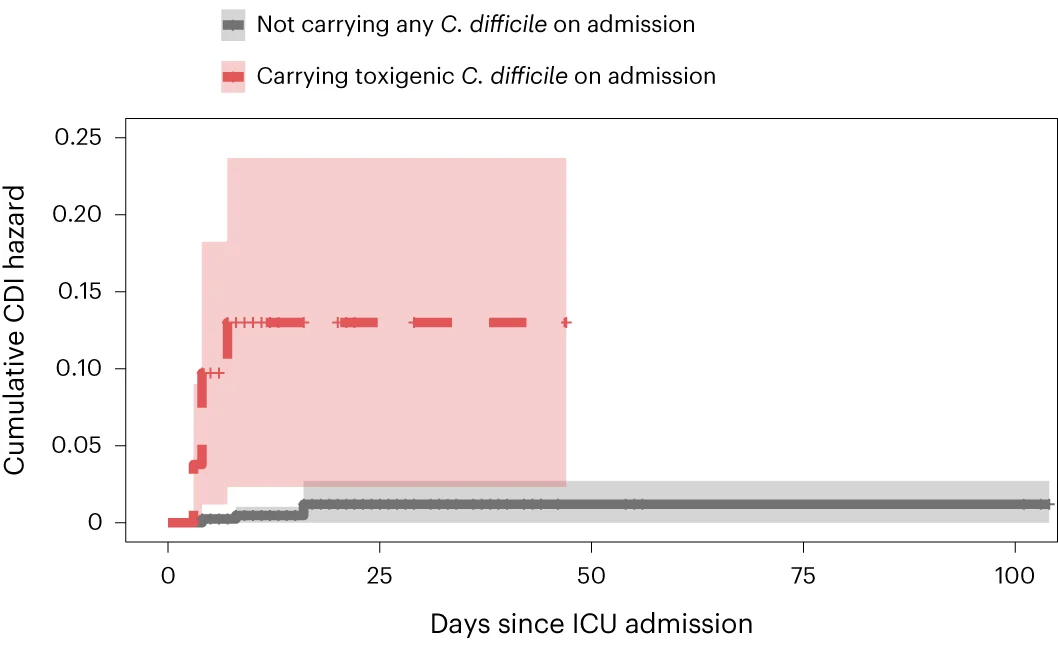
Cumulative hazard curves depicting the unadjusted risk of developing a healthcare-associated CDI during hospitalization among patients who carried toxigenic C. difficile on admission to the ICU (red) compared to those who did not carry any (gray). Patients carrying toxigenic strains on admission were at significantly increased risk of hospital-onset CDI compared to admission-negative patients (log-rank test, P = 3 x 10 -13). The thick lines indicate the estimated cumulative hazard in the designated group. The vertical lines indicate censored patients. The shaded areas indicate the 95% confidence bands.
Disease-free survival.

Survival Curve

Survival Curves (Kaplan-Meier plots) are essential for time-to-event analysis in clinical trials and epidemiological studies. This collection showcases exemplary survival curve examples from oncology research, reliability engineering, and longitudinal studies. Critical for researchers analyzing patient outcomes, treatment efficacy, or failure time data. Master techniques for creating publication-quality survival curves with confidence intervals, risk tables, and log-rank test results using R survminer, Python lifelines, and specialized survival analysis packages.
16 plotsUpdated 5 months ago
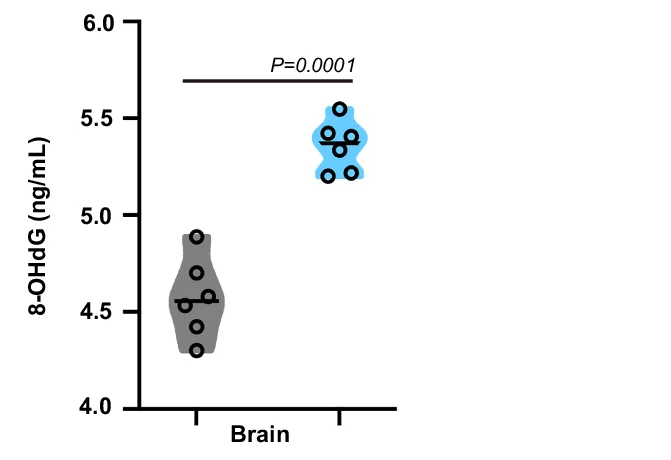
ELISA of basal levels of 8-hydroxydeoxyguanosine (8-OHdG) in the brain of iCab and CPD KO medaka. Violin plots represent individual data points (n = 6 biologically independent samples with each sample including 9 fish) shown as black hollow circles and their probable distribution. The horizontal black lines within the violin plots represent mean values of 8-OHdG. The statistical test used is student’s t-test. Statistical differences (P values) are annotated in each panel. Source data are provided as a Source Data file.
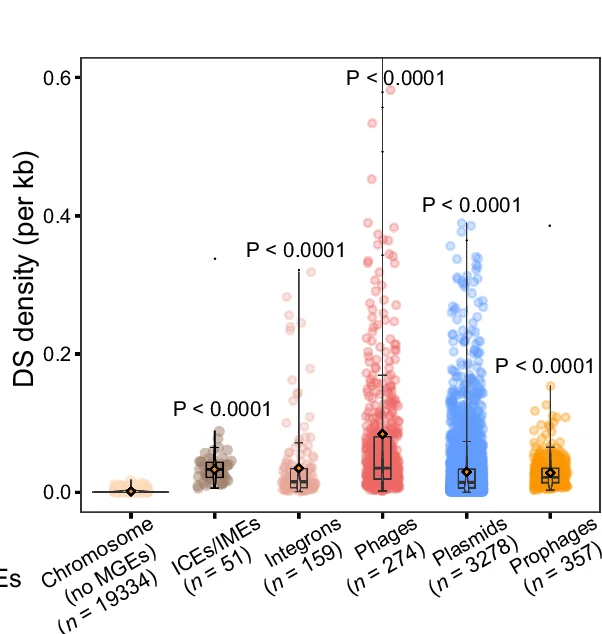
Comparison of defense system (DS) density (per kb) between chromosomes and other MGEs (two-sided Wilcox test, Bonferroni-adjusted P -values). The number of MGEs analyzed are shown as n values.
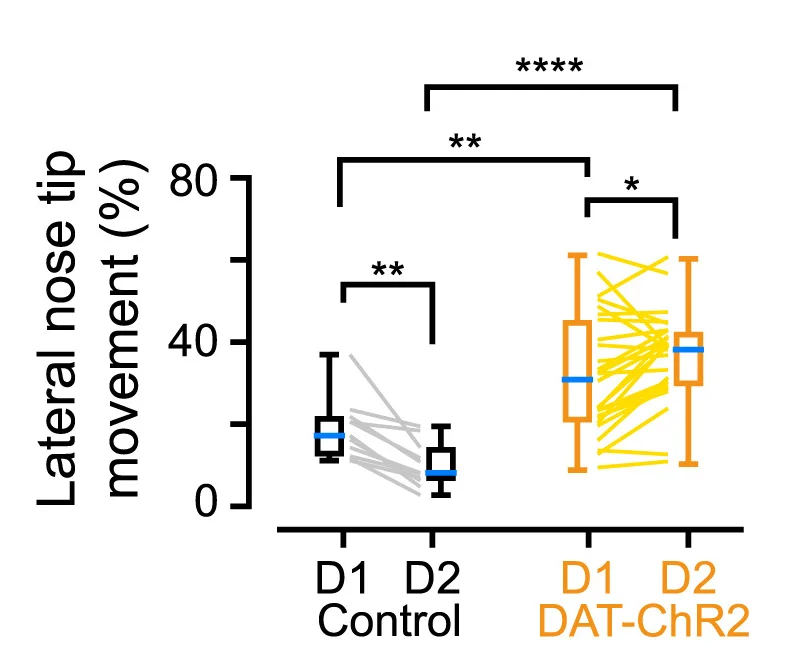
Quantifications for the changes in lateral movements of the nose tip at the cue onset.
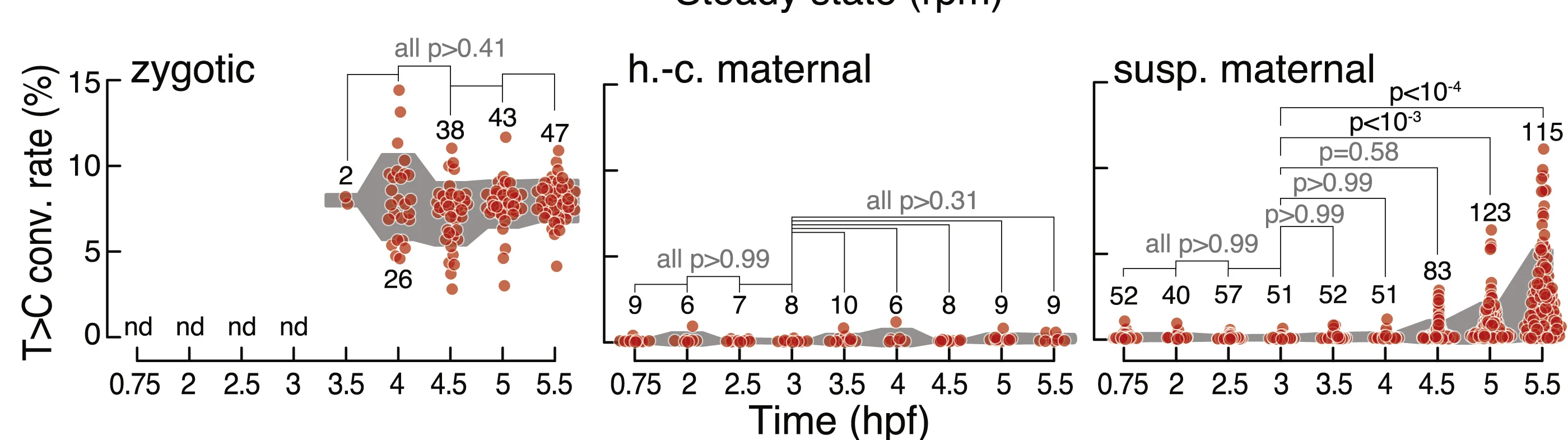
T>C conversion (conv.) rate for transcripts defined in (C) during MZT (time in hpf). Individual genes for which a confident average conversion rate could be derived from two independent biological replicates (red, n = number of genes) and interquartile range (gray area) are shown. p values (Kruskal-Wallis and Dunn’s multiple comparison test) are indicated; nd, not detected.

Raincloud Plot

Raincloud Plots represent the gold standard for transparent data visualization, combining raw data, distributions, and summary statistics. This collection features state-of-the-art raincloud plot examples from psychology, neuroscience, and biomedical research. Essential for researchers committed to open science and reproducible data presentation. Learn to create comprehensive raincloud plots showing individual points, density distributions, and box plot summaries using R raincloudplots, Python ptitprince, and custom implementations for maximum data transparency.
16 plotsUpdated 5 months ago
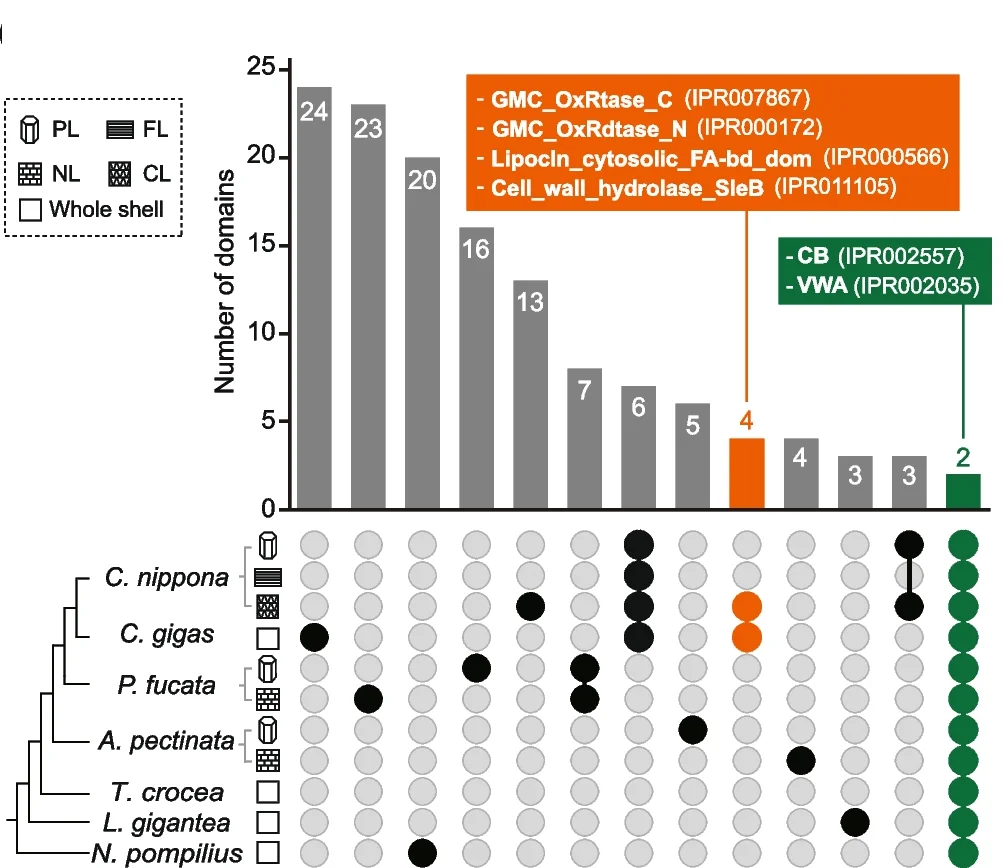
Upset plot comparing the protein domains identified from the shell proteomes of seven molluscs. The bar chart indicates the number of functional domains conserved among shell microstructure(s) or the whole shell of specie(s). The colored dots below histograms indicate the presence of the domains in shells of the molluscs. Domains only detected in the C. gigas shell and the chalky layer of C. nippona shell are indicated in orange. Domains shared by all shell layers across seven molluscs are colored in green. The complete results are shown in supplementary figure S11 (Additional file 1 ).
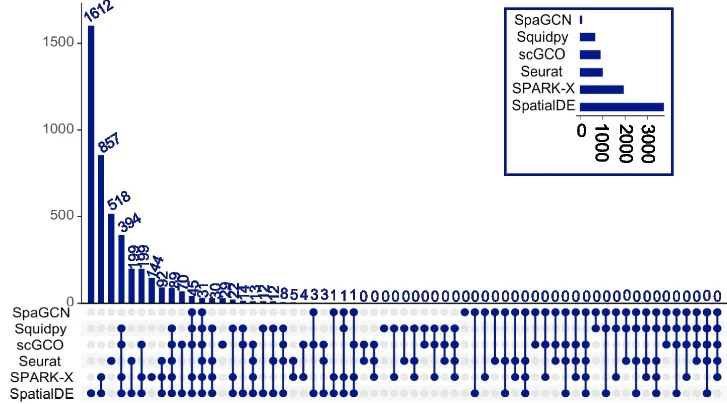
Upset plots displaying the distinct intersections of SVGs identified in FF endometrial adenocarcinoma ovarian tissue dataset when analysed with SpaGCN, Squidpy, scGCO, Seurat, SPARK-X and SpatialDE. Bar chart in box displays the total number of SVGs identified by each package.
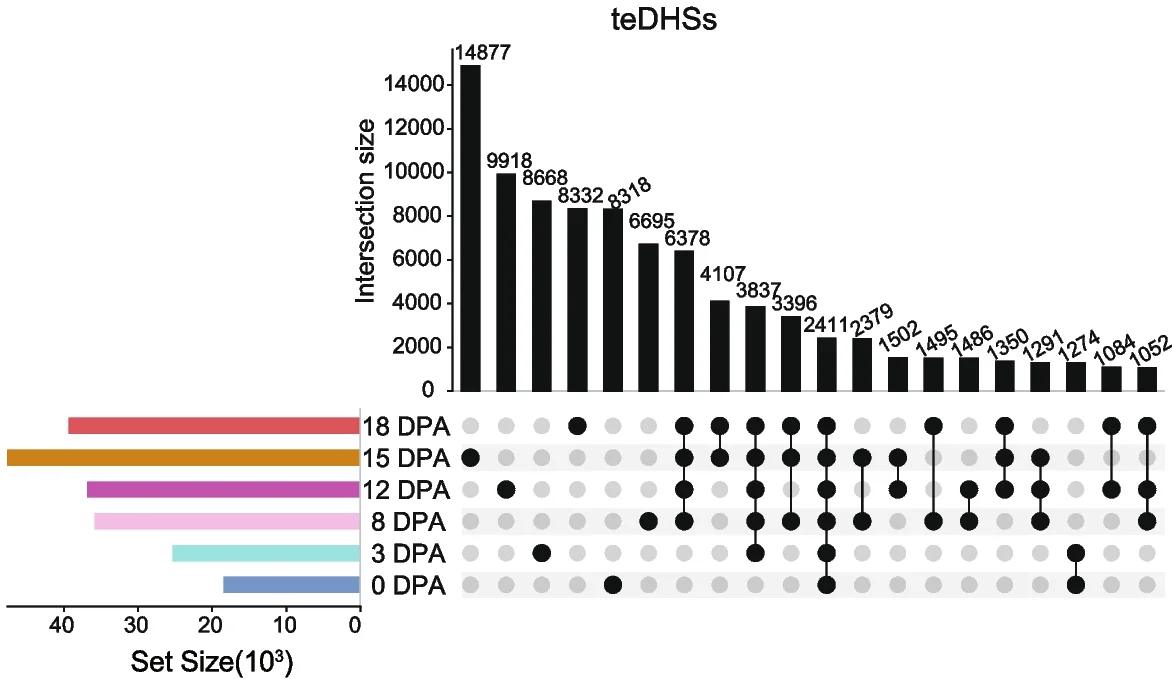
UpSet plot of teDHSs during fiber development. The left bars show the number of total teDHSs at different periods. The right bar plot and points represent the number of teDHSs in specific intersection.
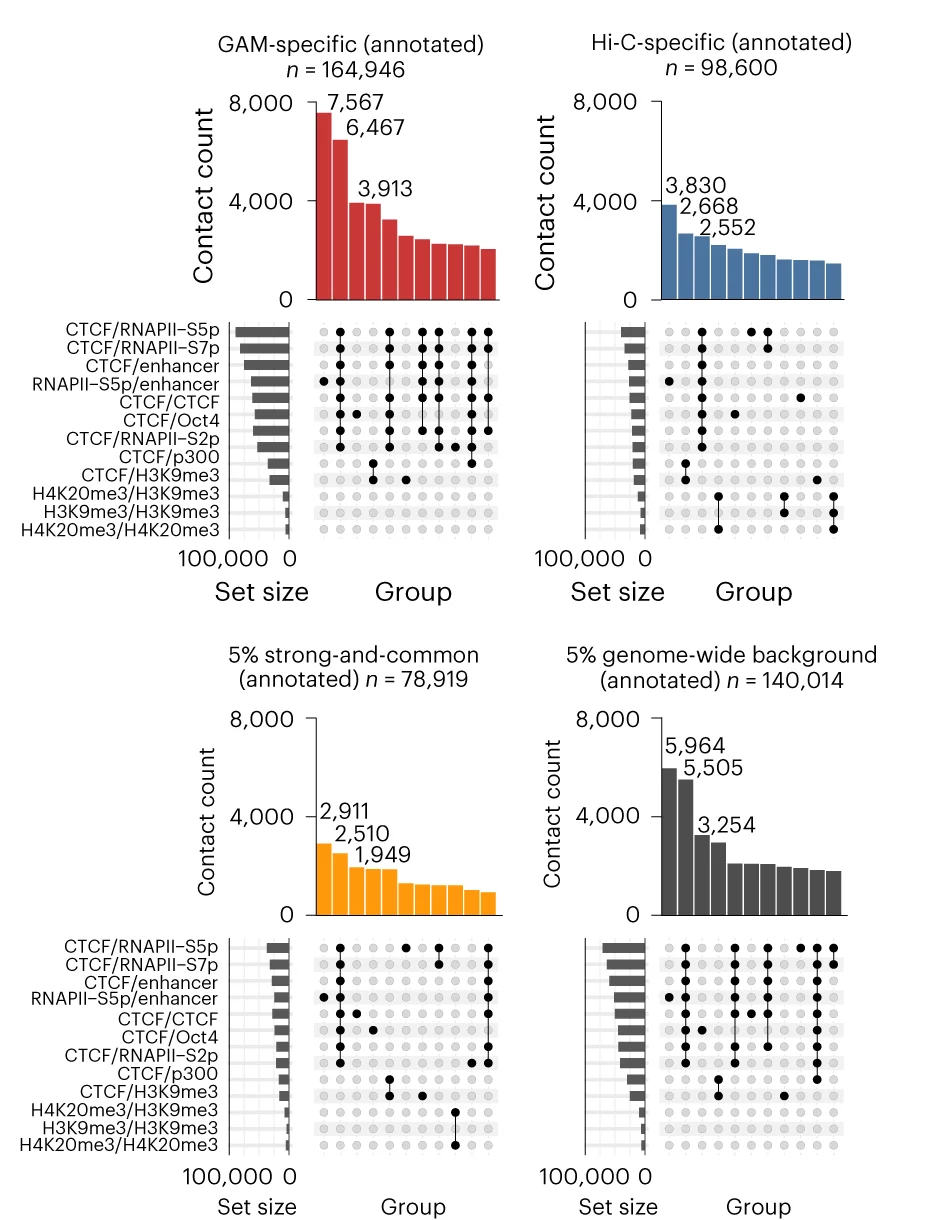
UpSet plots quantifying the co-occurrence of enriched feature pairs selected in c for contacts of each subgroup.

UpSet Plot

UpSet Plots revolutionize set intersection visualization, surpassing traditional Venn diagrams for complex multi-set comparisons in bioinformatics. This collection showcases advanced UpSet plot examples from genomics, proteomics, and systems biology publications. Essential for researchers analyzing gene set overlaps, pathway enrichment results, or multi-omics data integration. Master techniques for creating scalable, interpretable set visualizations using R UpSetR, Python pyupset, and interactive UpSet implementations for publication-quality combinatorial analysis figures.
13 plotsUpdated 5 months ago
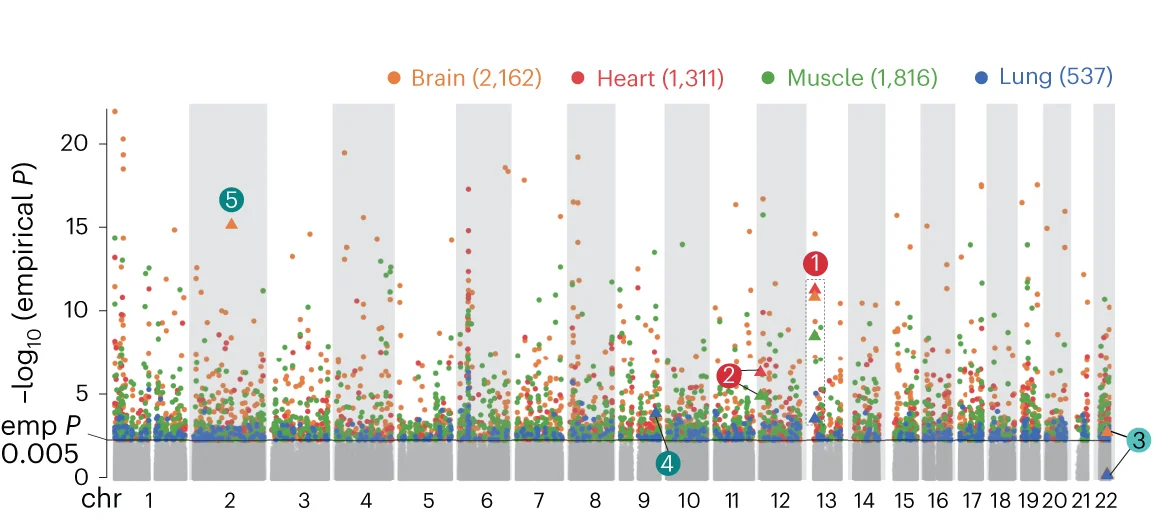
Overlaid Manhattan plot of lead haQTLs from brain, heart, muscle and lung; x axis shows the genomic position and y axis shows the -log 10 (empirical P value); empirical P value is haQTL P value adjusted for multiple SNPs for each loci as described in Methods ; examples 1–5 in b are marked with numbers in colored circles.
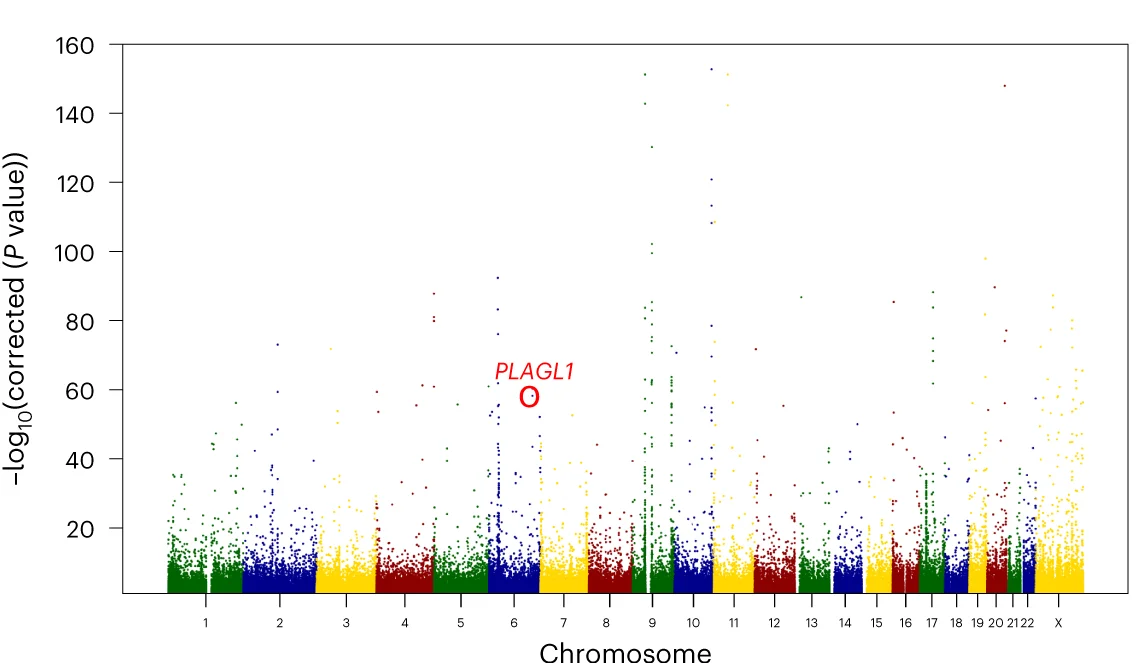
Manhattan plot of allele-specific methylation in NA12878. The x axis is chromosomal location and y axis is −log10(p) from Fisher’s exact test of association between genotype and in cis modC levels. PLAGL1 , a known imprinted gene, is highlighted in red.
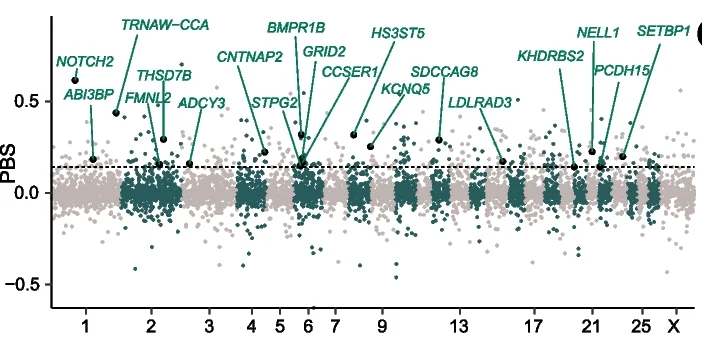
Genome-wide PBS values for reproduction traits between prolific sheep (WDS, HUS, SXW, FIN, GOT) and non-prolific sheep (BSB, SSS) populations.
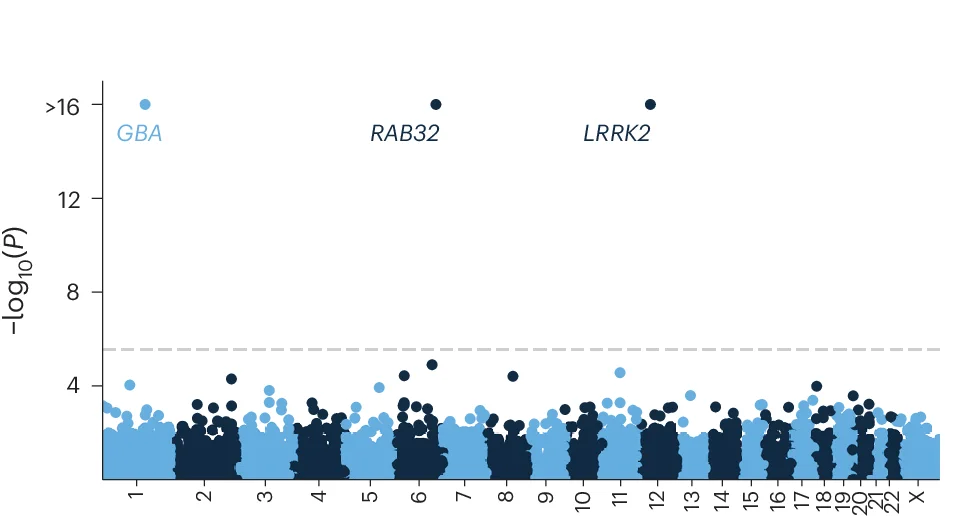
The y axis shows the gene-based associations from the ACAT omnibus test including Firths logistic regression, SKAT and ACAT-V (two-tailed -log 10 ( P value)) plotted against genomic coordinates on the x axis (GRCh38). The dashed line indicates the exome-wide significance threshold ( P = 2.7 x 10 -6 ).

Manhattan Plot

Manhattan Plots are essential for genome-wide association study (GWAS) visualization, displaying genetic variant associations across chromosomes. This collection features exemplary Manhattan plot examples from human genetics, plant genomics, and precision medicine studies. Indispensable for researchers identifying disease-associated SNPs, QTLs, or selection signatures. Learn to create publication-quality Manhattan plots with proper significance thresholds, gene annotations, and zoom regions using R packages like qqman, CMplot, and specialized GWAS visualization tools.
12 plotsUpdated 5 months ago
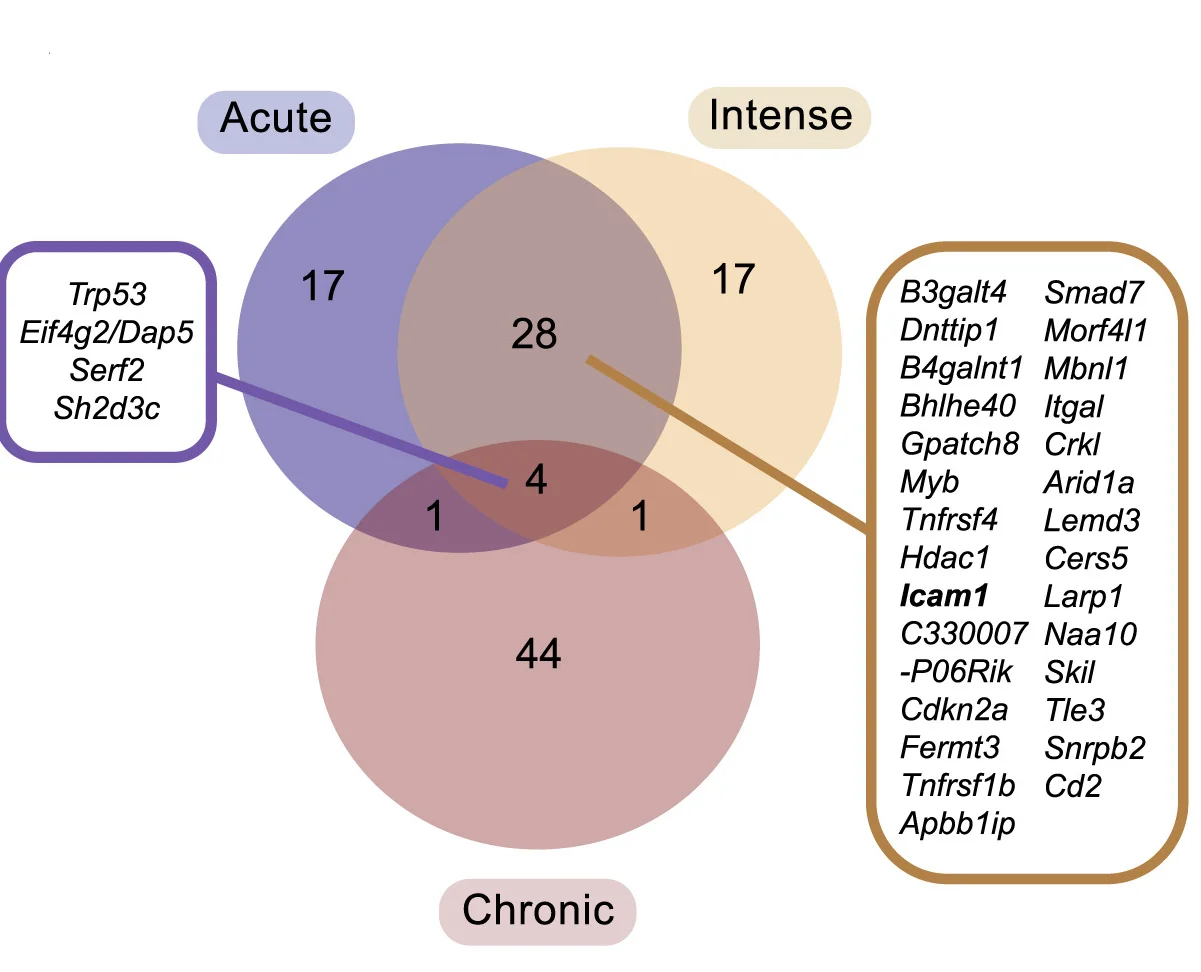
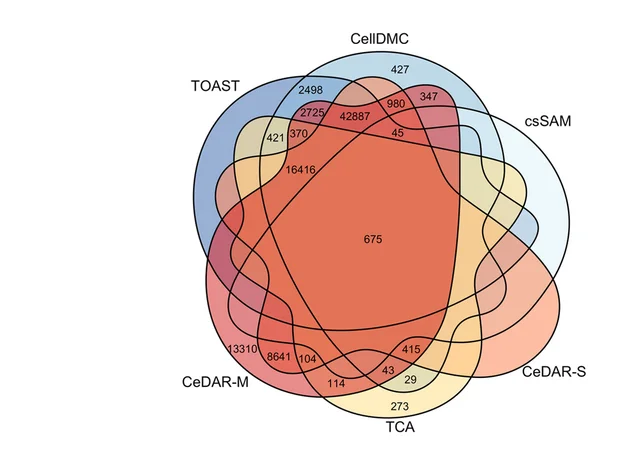
Venn diagram showing overlap of reported csDMCs in CD4 cell type from six methods.
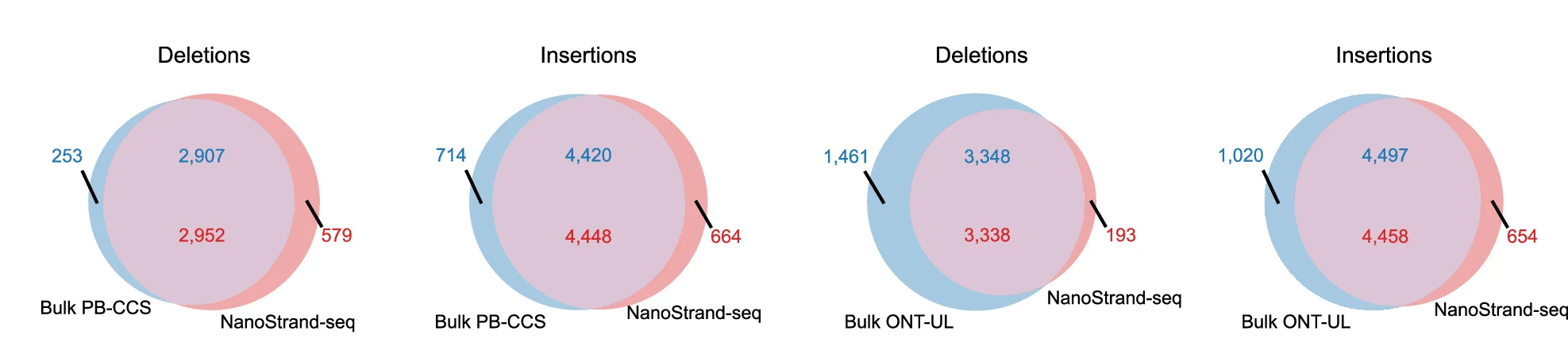
Venn diagram illustrating the consistency of SVs between NanoStrand-seq, bulk PB-CCS, and bulk ONT-UL.
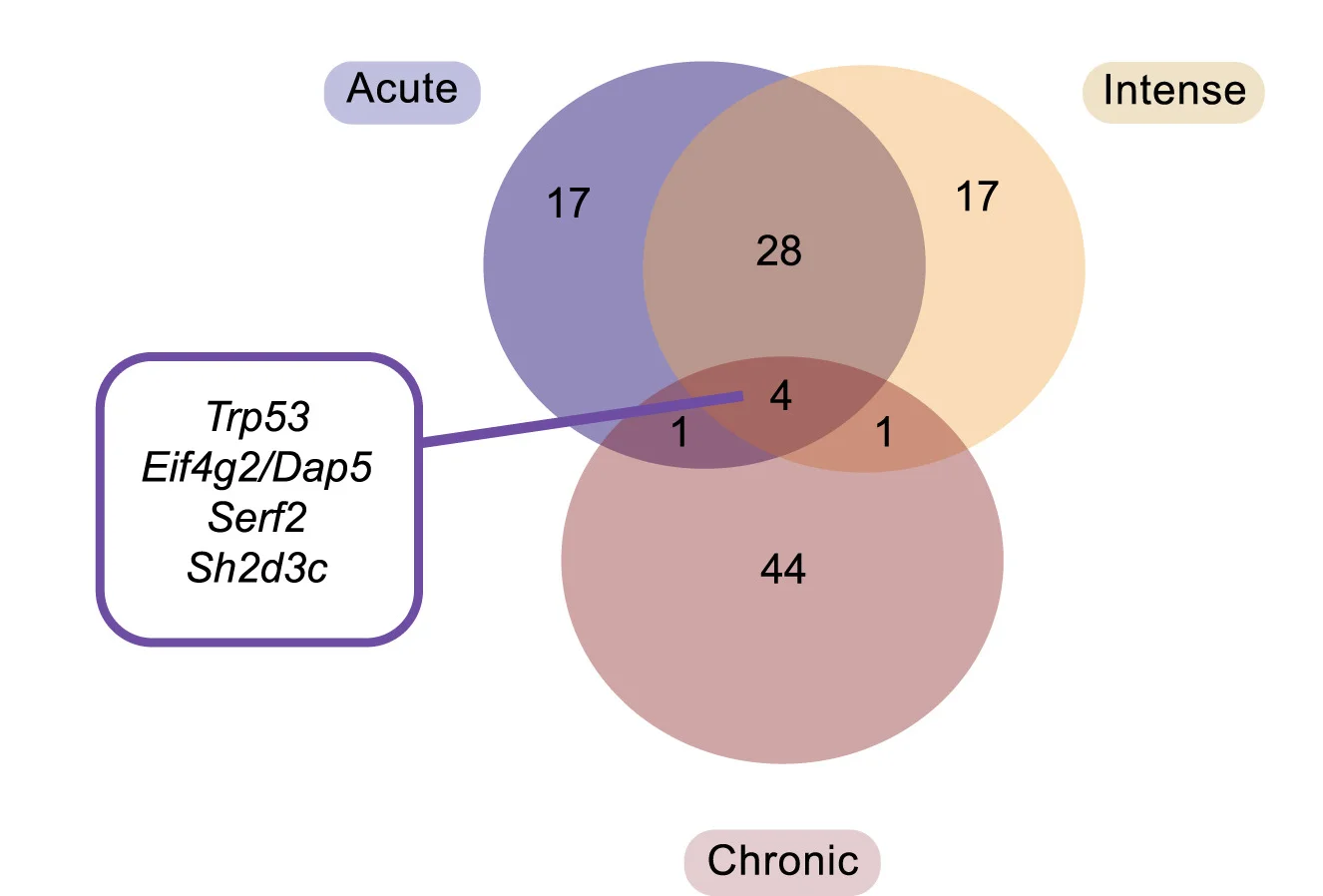
Numbers of overlapping genes from top 50 hits of each screen. Genes are listed by average effect size (Table S1).
Overlapping genes from top 50 hits from each screen, genes are ranked by average effect size.

Venn Diagram

Venn Diagrams remain popular for visualizing set relationships and overlaps in biological and medical research. This collection features elegant Venn diagram examples from gene expression studies, taxonomic comparisons, and literature reviews. Perfect for researchers illustrating shared features, unique elements, or logical relationships between 2-5 sets. Explore modern approaches to creating proportional, aesthetically pleasing Venn diagrams using R VennDiagram, Python matplotlib-venn, and online tools for publication-ready set visualization.

12 plotsUpdated 5 months ago
An example of Foxa1 ( i ) and Hnf4g ( j ) associated Hi-ChIP loops in mets and tumors. Foxa1 and Hnf4g binding at CREs in mets and tumor (red and green). The example shows looping between the c-Myc enhancers in mets and Foxa1 and Hnf4g binding is shown in blue.
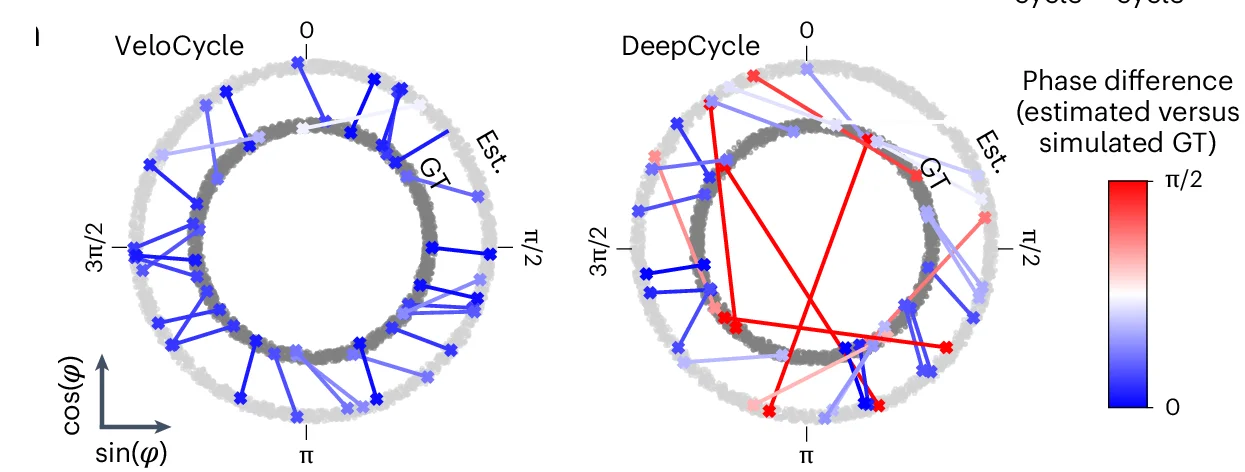
Polar plots representing the phase difference between estimated (Est.) and simulated GT for 30 randomly chosen cells from one simulated dataset using VeloCycle (left) and DeepCycle (right). Each dot represents a cell, and lines connect the estimated phase assignment (light gray) to simulated GT (dark gray).
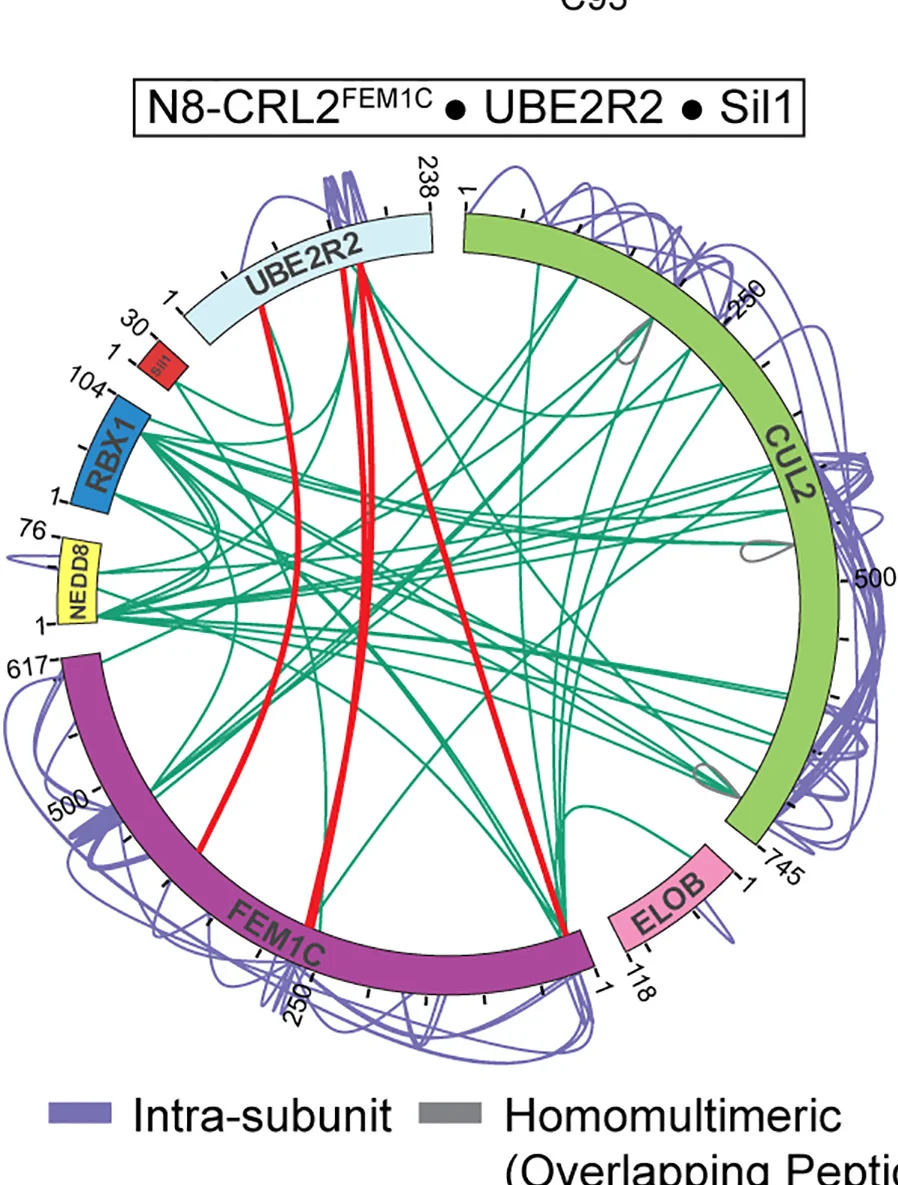
Diagram showing intra- (light purple) and inter-subunit (green) cross-linking of the neddylated (N8) CRL2FEM1Ccomplex in the presence of UBE2R2 and Sil1 peptide. Cross-links between FEM1C and UBE2R2 have been colored red.
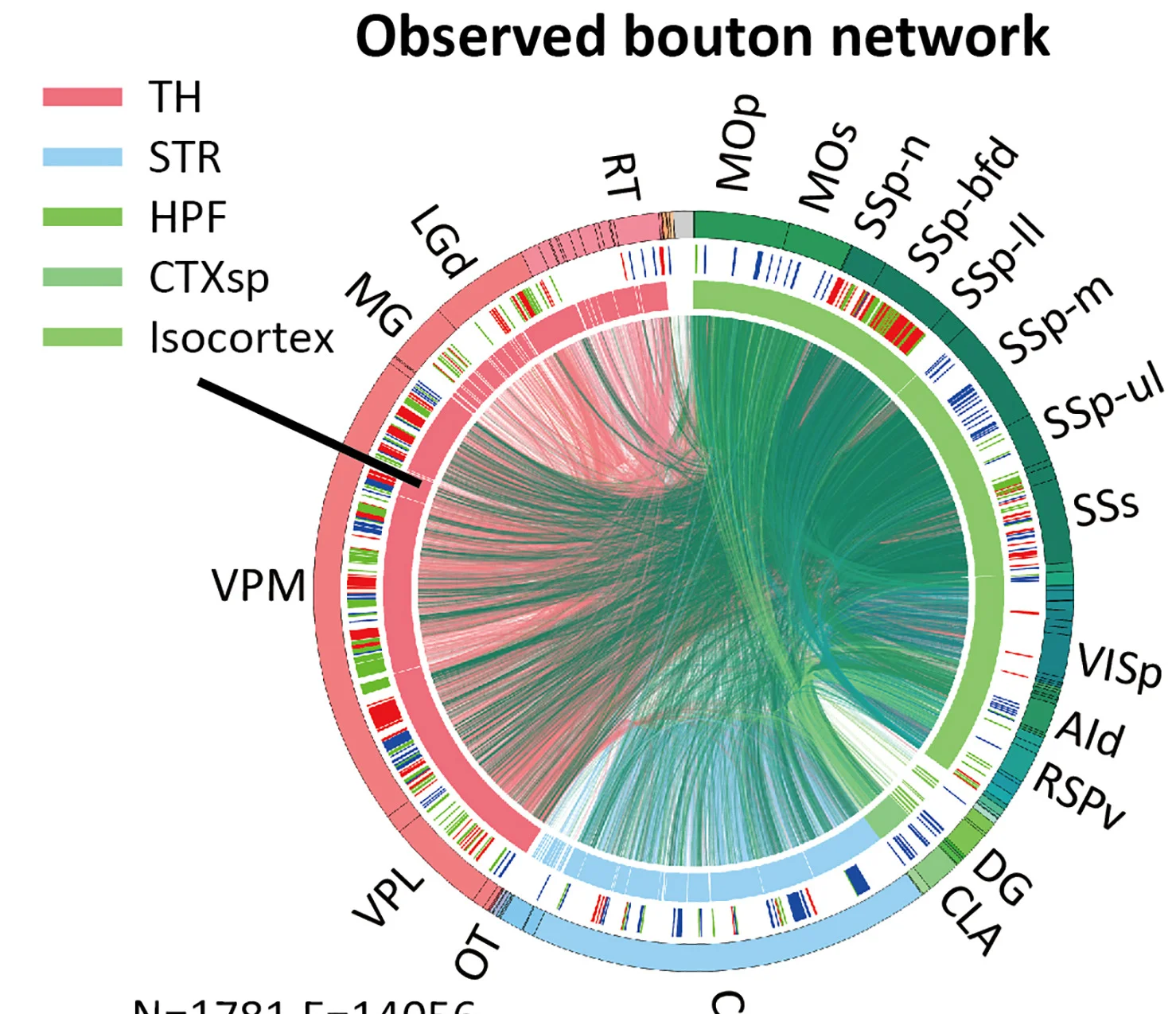
Circular plot visualization of the single-cell networks constructed based on observed (left) and uniform (right) bouton data. We assigned the colors in the outer circle by the soma location of each neuron in the network. The middle circle indicates the largest three communities obtained using the Leiden algorithm, and the inner circle indicates the broad brain regions TH, STR, hippocampal formation (HPF), cortical subplate (CTXsp), and isocortex. The lines crossing the center of the circle indicate potential connections between individual neurons. We colored them according to the soma location of the pre-synaptic neuron.

Chord Diagram

Chord Diagrams elegantly visualize complex relationships and flows between multiple entities in network biology and systems research. This collection features sophisticated chord diagram examples from genomics, ecology, and social network studies. Perfect for researchers illustrating gene co-expression networks, species interactions, or collaborative networks. Master circular visualization techniques for showing weighted connections, directional flows, and hierarchical relationships using R circlize, D3.js chord layouts, and specialized network visualization tools.
12 plotsUpdated 5 months ago
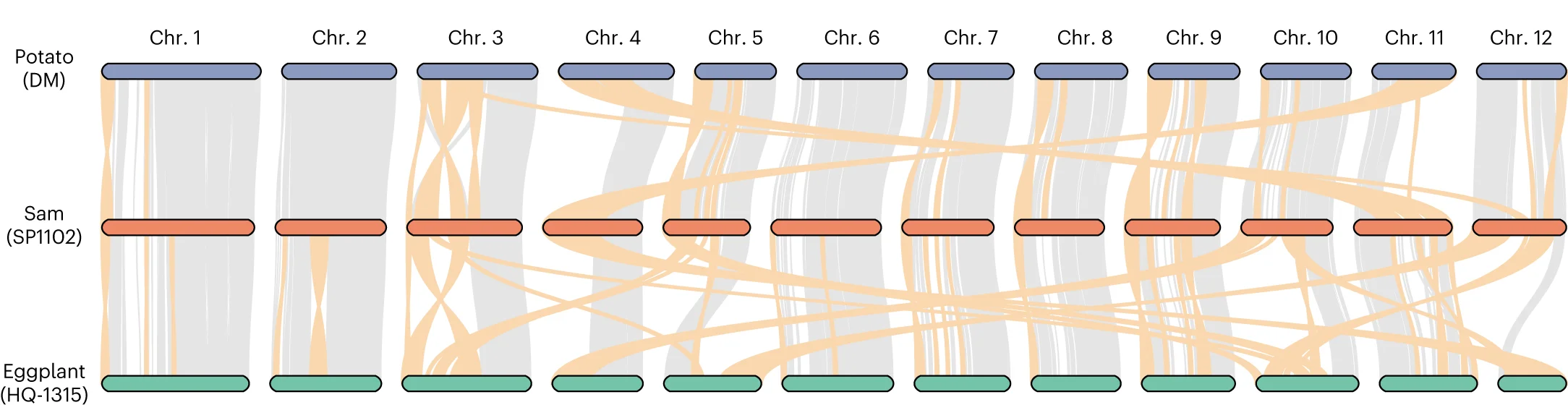
Genome synteny of S. americanum , potato and eggplant. Ribbons between chromosomes show syntenic regions. Large chromosome rearrangements (>1 Mb in size) are marked in orange.
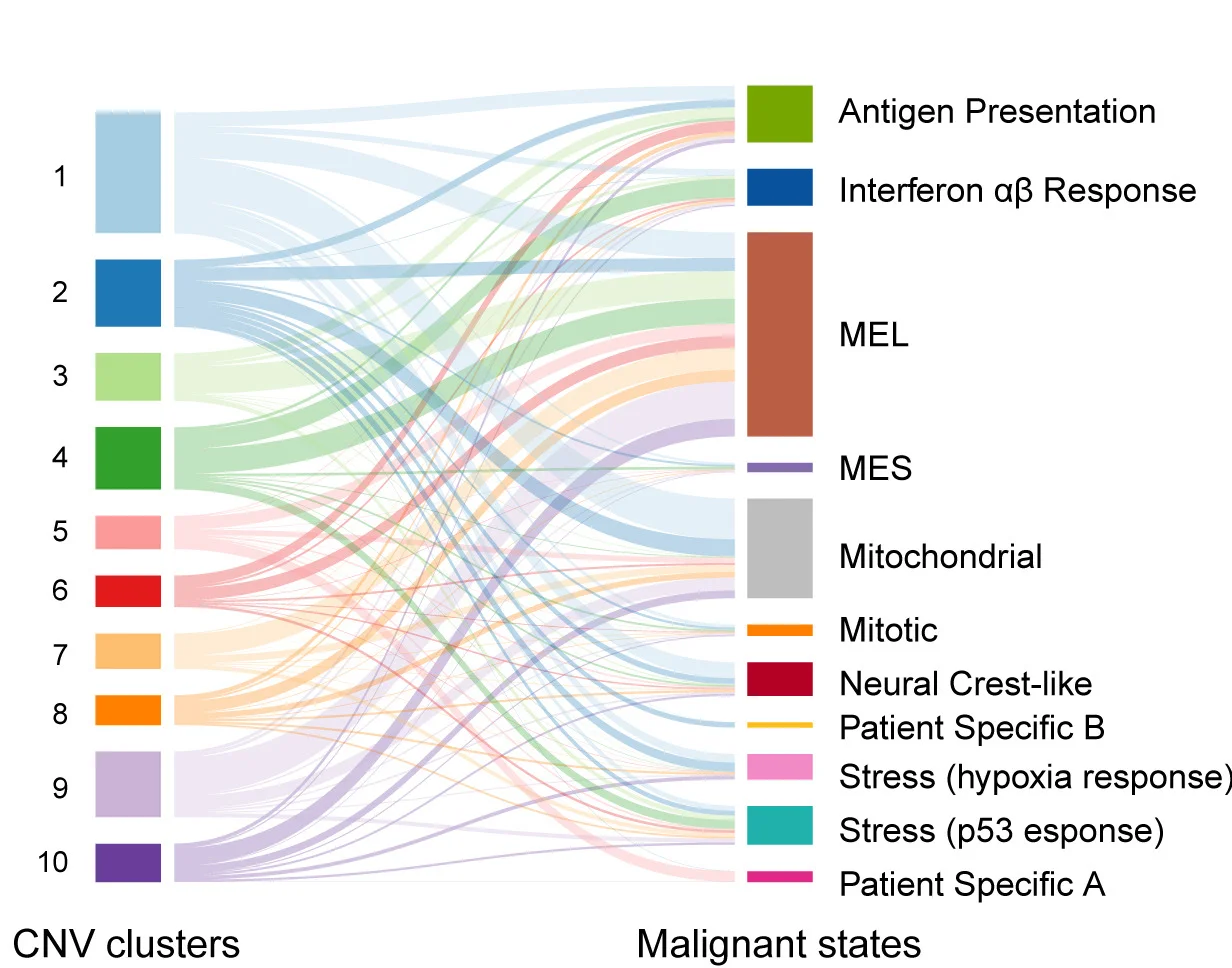
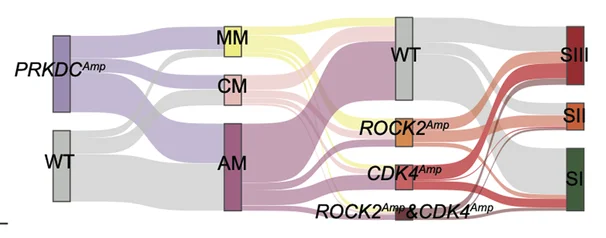
Sankey plot showed the amplification frequency of PRKDC, CDK4, and ROCK2 in the three pathological subtypes and three proteomic subtypes of melanomas.
Distribution of sponsor and collaborator types. DTx=digital therapeutics. NIH=National Institutes of Health.
Alluvial plot showing that all 9 recurrent transcriptional clusters are fed with cells belonging to distinct genetic subclones identified by CNV inference from gene expression profiles. See alsoFigure S1.

Sankey Diagram

Sankey Diagrams powerfully visualize flow quantities and transformations in energy systems, patient pathways, and material cycles. This collection showcases professional Sankey diagram examples from environmental science, healthcare analytics, and industrial ecology. Perfect for researchers illustrating energy flows, patient outcomes, or resource allocation in complex systems. Master techniques for creating informative Sankey diagrams with proper flow scaling, color coding, and interactive features using R networkD3, Python plotly, and specialized flow visualization tools.
9 plotsUpdated 5 months ago
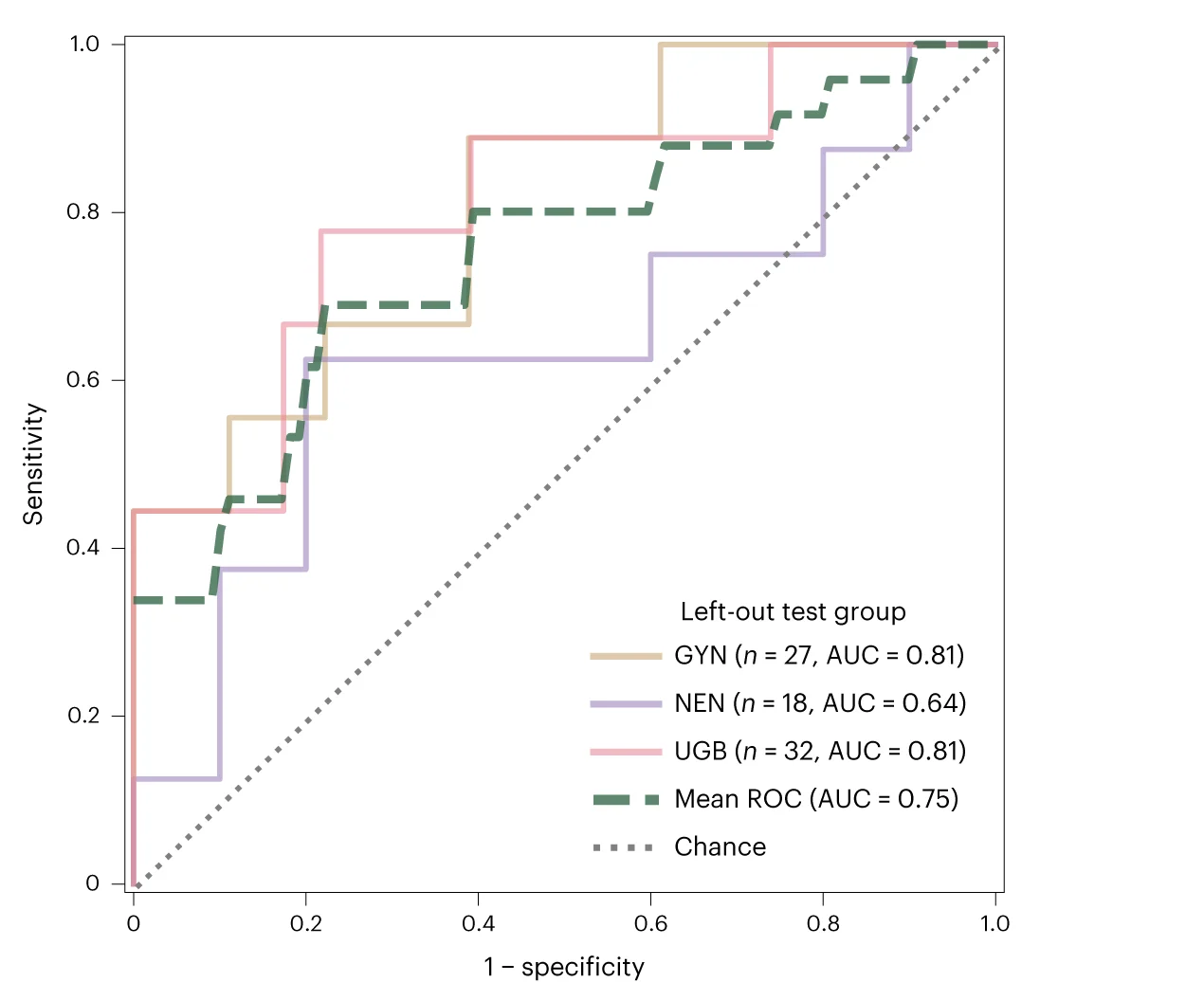
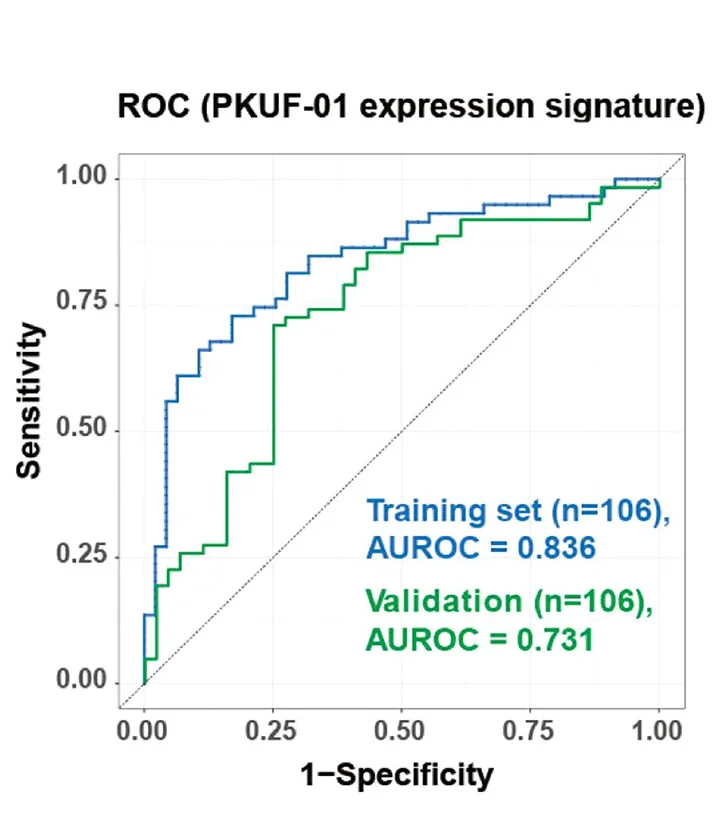
ROC curves of the 17-gene signature predicting PKUF-01 response in the training (n = 106) and validation (n = 106) sets. Area under ROC curves (AUROCs) are indicated.
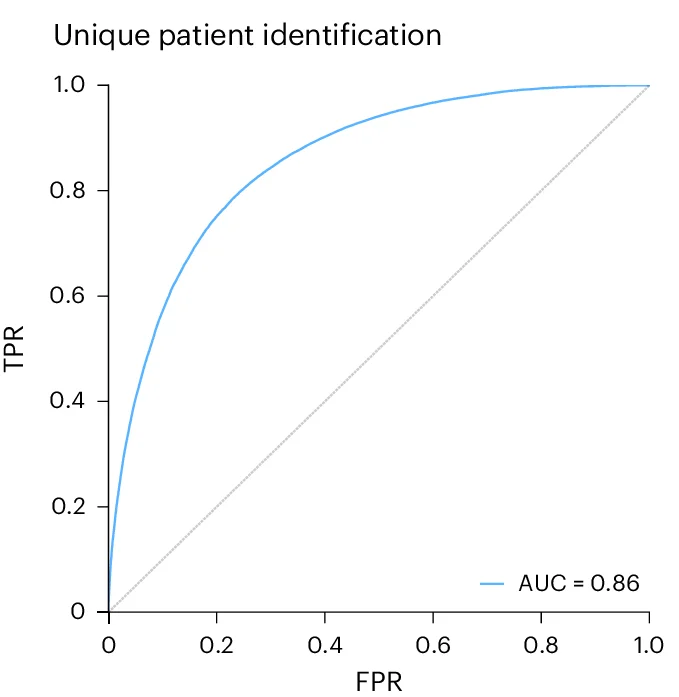
AUC for predicting whether the images come from the same patient when compared to another image (n = 100,994).
ROC curves for the strainRvsP classifiers retrained using leave-one-histology-cohort-out cross-validation. Model training and testing were repeated 100 times, with predictions averaged to account for model stochasticity.
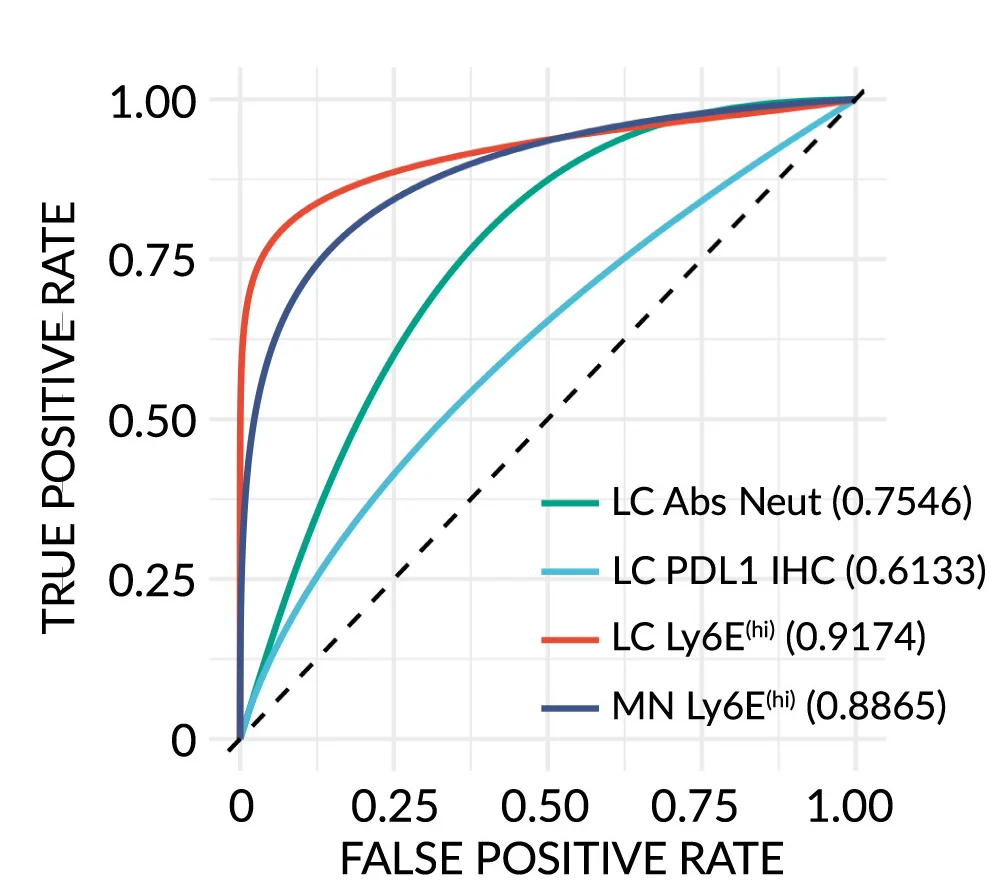
Smoothed area under the curve (AUC)-receiver operating characteristics (ROC) plots for Ly6E(hi)neutrophils (95% CIs: 0.855–0.9705 (NSCLC - LC), 0.7913–0.9606 (Melanoma - MN)), absolute neutrophil count (Abs Neut) (95% CIs: 0.534–0.9328 (in NSCLC)) and tumor PDL1 IHC (95% CIs: 0.3554–0.9338 (in NSCLC)) in our cohort of patients (NR vs. R). Confidence intervals were determined using 1,000 stratified, bootstrap replicates.

ROC Curve

ROC (Receiver Operating Characteristic) Curves are standard for evaluating diagnostic tests and binary classifiers in biomedical research. This collection features exemplary ROC curve examples from clinical diagnostics, biomarker validation, and machine learning applications. Essential for researchers developing diagnostic tools, evaluating screening tests, or comparing classifier performance. Learn to create publication-quality ROC curves with AUC calculations, confidence intervals, and optimal cutoff points using R pROC, Python scikit-learn, and specialized diagnostic accuracy tools.

9 plotsUpdated 5 months ago
Expression of glial and neuronal differentiation markers.
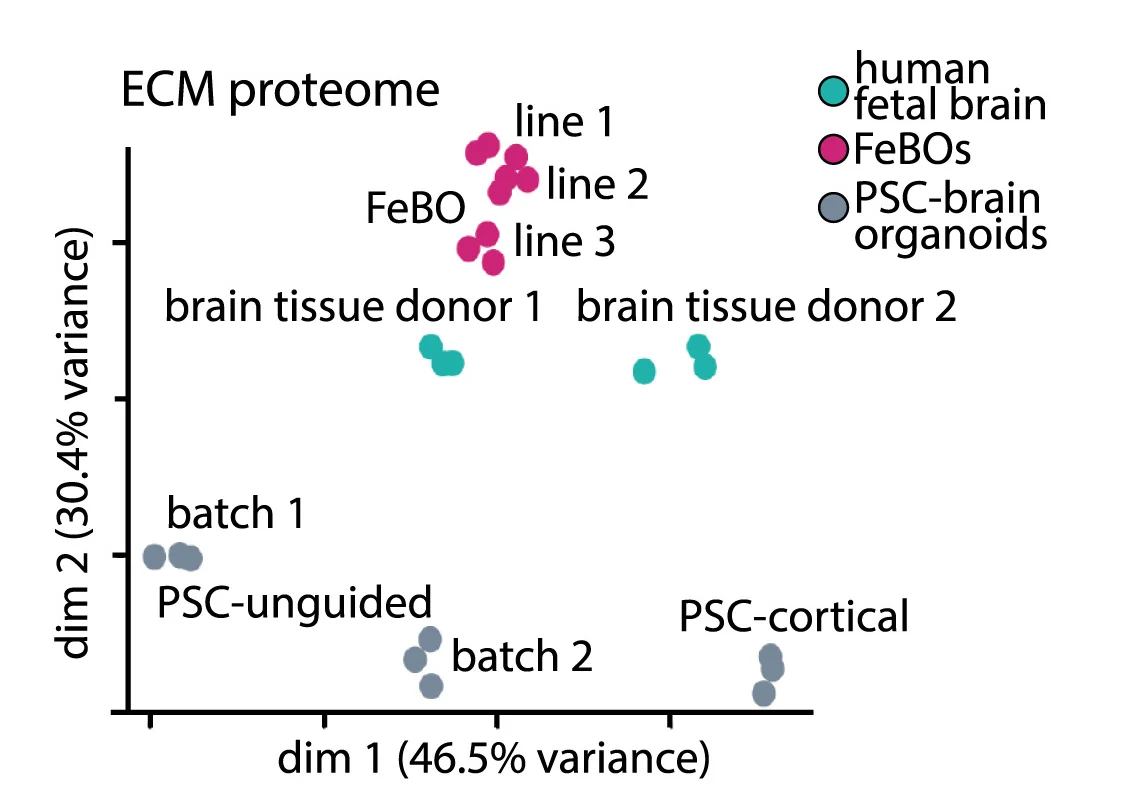
PCA on ECM proteomes of human fetal brain tissue, FeBOs, PSC-cortical spheroids, and unguided PSC-cerebral organoids. n = 3 replicates per condition.
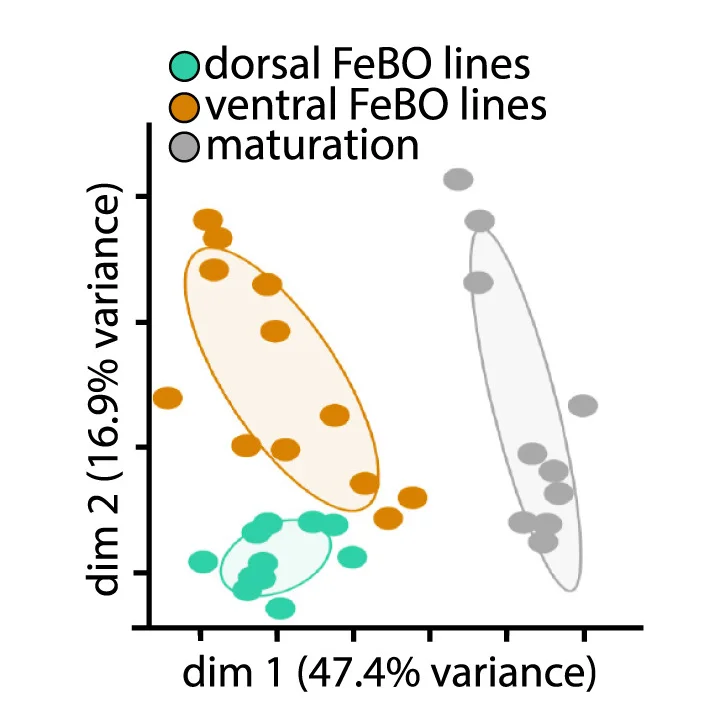
PCA on whole transcriptomes of expanding FeBOs derived from dorsal (green) or ventral (orange) forebrain as well as matured FeBOs (gray).
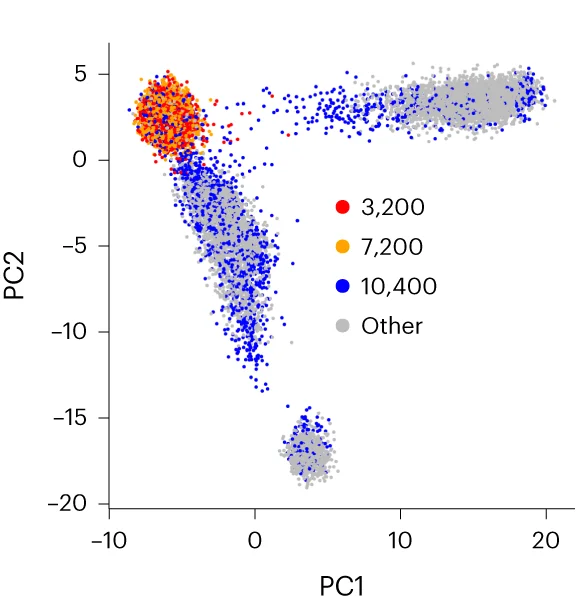
Conventional PCA shows that greater size of the control candidate sets to be sampled deteriorates their quality, as can be seen by inclusion of samples of nontarget ancestry.

PCA Plot

A PCA (Principal Component Analysis) Plot is a fundamental visualization for exploring high-dimensional data. PCA is a dimensionality reduction technique that transforms complex datasets into a smaller number of "principal components," which capture the most variance in the data. The resulting 2D or 3D plot allows you to visualize the main patterns, clusters, and outliers in your data that would be hidden in a high-dimensional space. It is widely used in fields like bioinformatics, finance, and machine learning to simplify data, identify underlying structures, and prepare data for further modeling. Use a PCA plot to gain a clear, interpretable overview of complex data relationships.
9 plotsUpdated 5 months ago
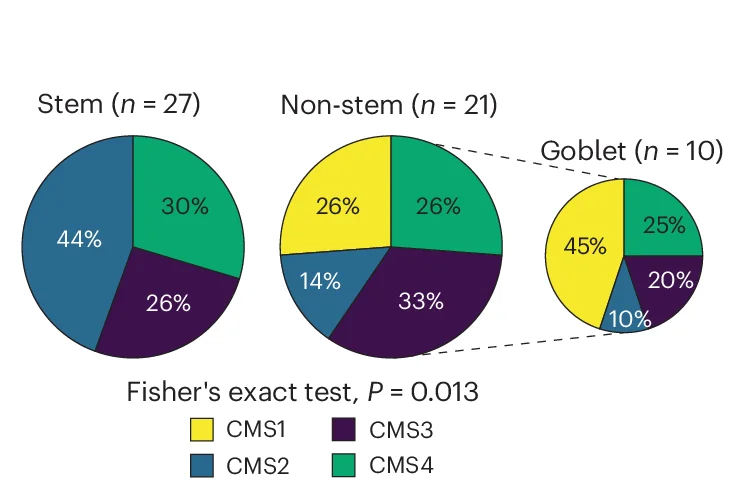
Mapping of CMS on tumor samples stratified according to their predicted cell-of-origin. The P value shows the result of Fisher’s exact test.
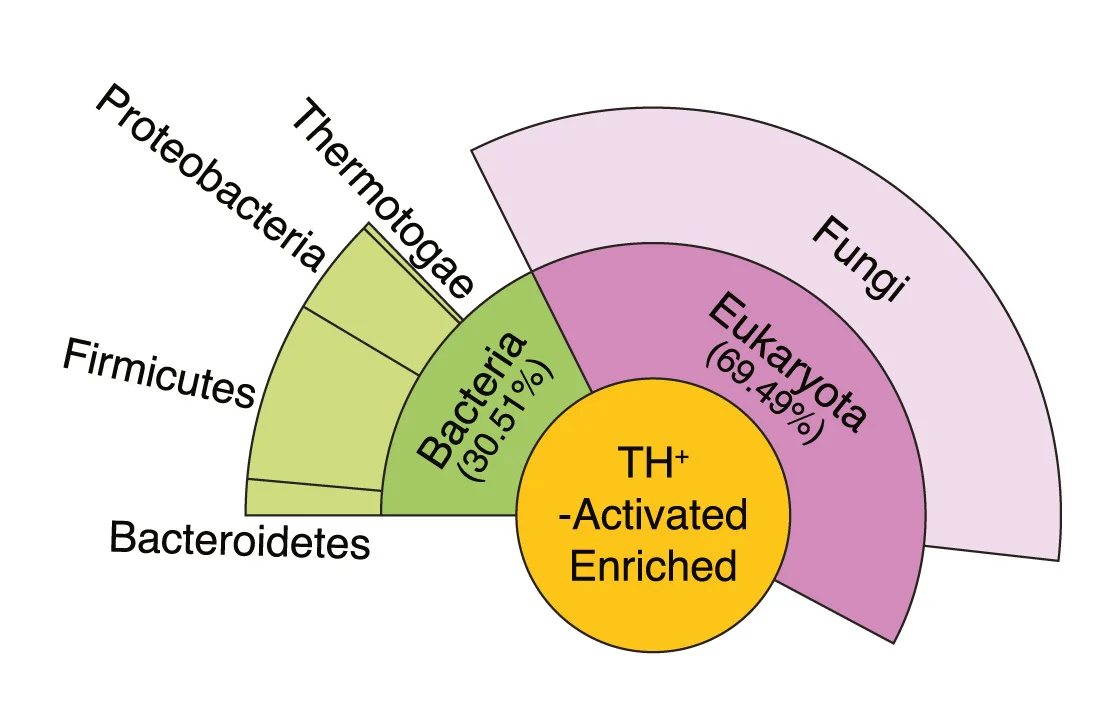
Unipept metaproteomics analysis of upregulated microbial proteins (fold change > 2, pnom.< 0.2) in TH+-activated and ChAT+-activated mice (n = 7–9 mice per group). Source data for (E) and (F) can be found at https://github.com/mazmanianlab/Griffiths_Yoo_et_al/blob/main/proteomics/metaproteomics/Microbiome_associated_proteins.xlsx.
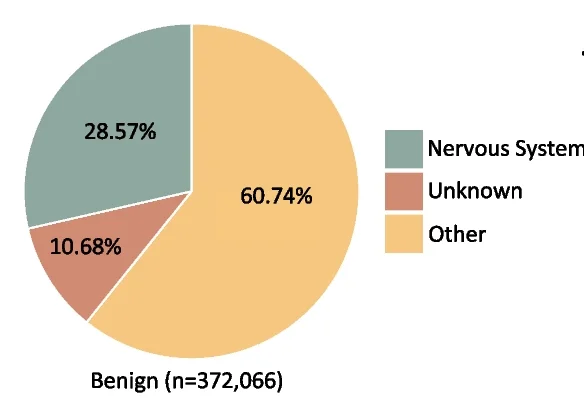
TRs in genic regions that are predicted to be benign, and their tissue expression.
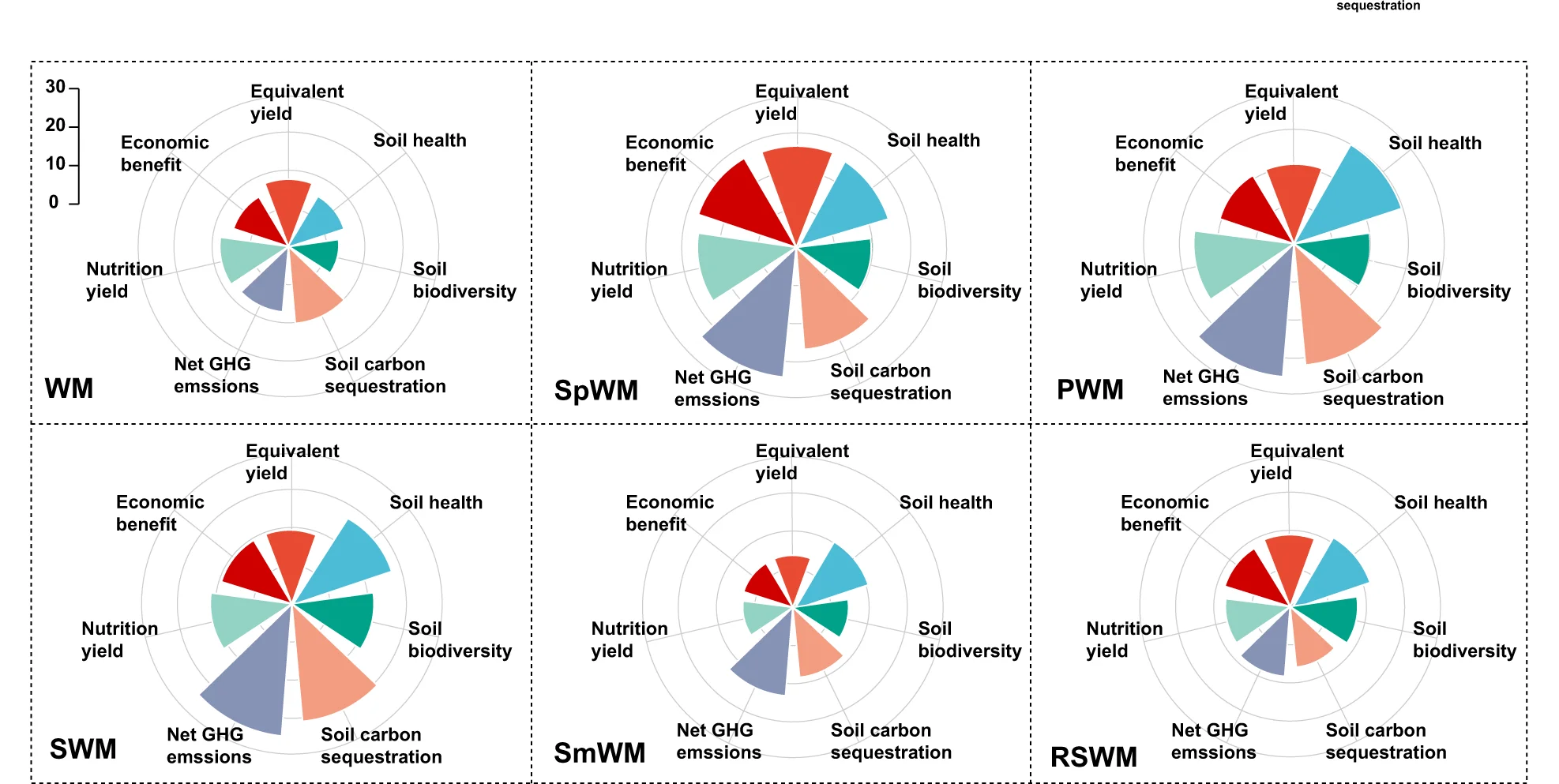
Nightingale Rose Charts of multiple objectives analysis to assess the detailed functions 1for each crop rotation

Pie Chart

Pie Charts effectively communicate proportional data when used appropriately in scientific contexts. This collection showcases well-designed pie chart examples from taxonomic composition, budget allocation, and survey results in research publications. Ideal for researchers presenting simple compositional data, funding distributions, or categorical proportions. Discover best practices for creating clear, accessible pie charts with proper labeling, color choices, and 3D effects using standard plotting libraries and data visualization tools.
7 plotsUpdated 5 months ago
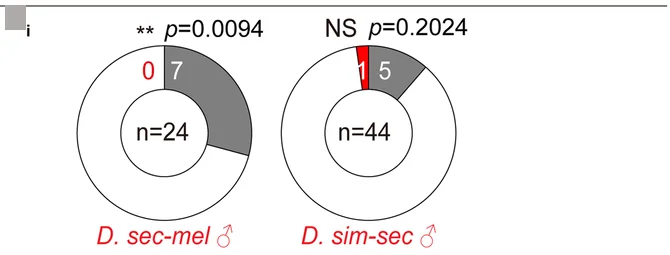
Donut plots of mating choices of D. melanogaster (b), D. mauritiana (c), D. simulans (d), and D. sechellia (e) males and females (bi – ei) for conspecific (grey segments) or hybrid (red segments) mating partners. White segments, no mating within 1 h. Two-tailed Fisher’s exact test, * p < 0.05; ** p < 0.01; *** p < 0.001; black asterisks, conspecific preferred; red asterisks, hybrid preferred; NS no discrimination. Hybrids are named first by the acronym of their mother and then by that of their father parent.
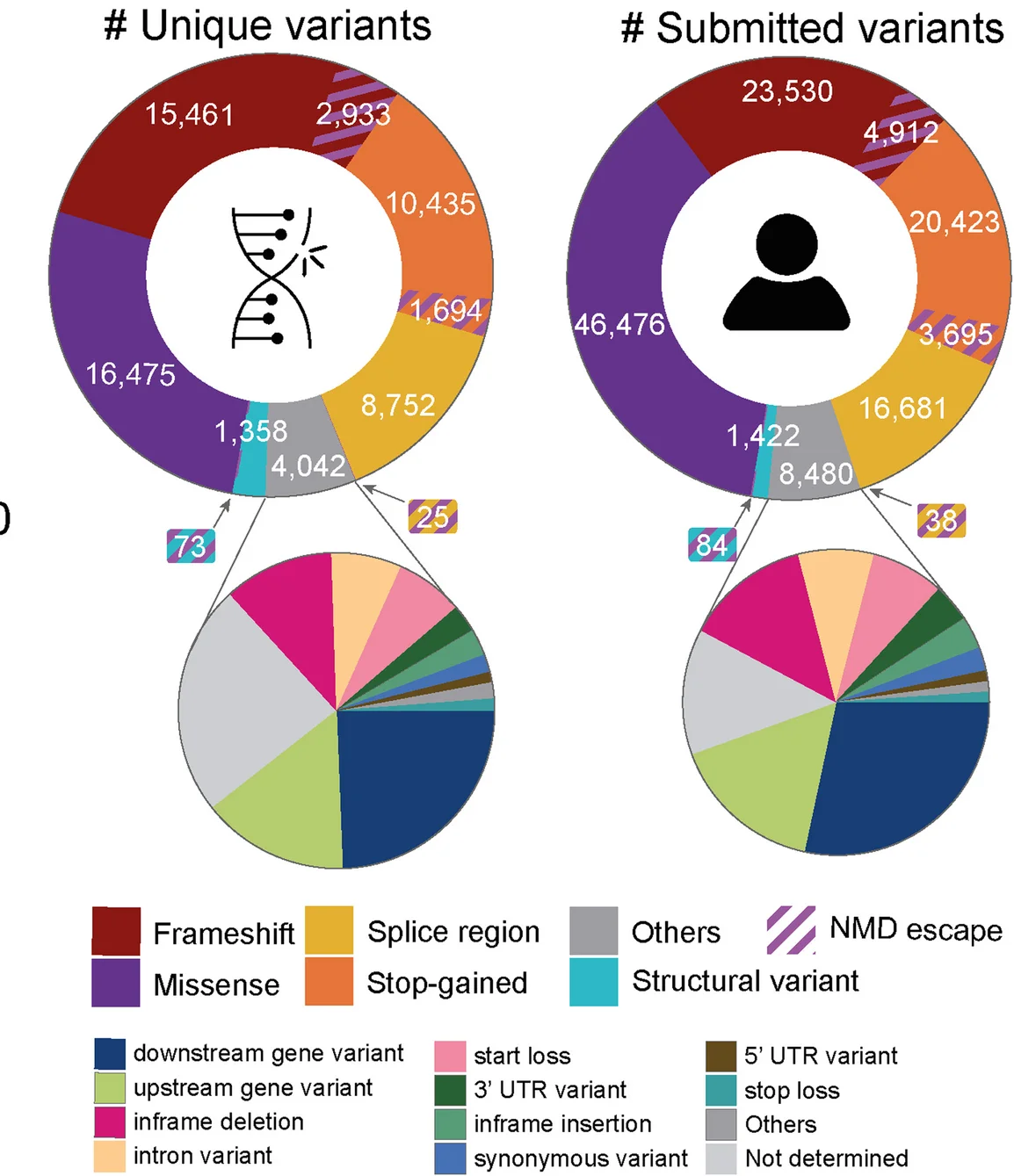
The predicted variant consequence of all unique ClinVar variants and submissions. NMD: nonsense-mediated decay, UTR: untranslated region
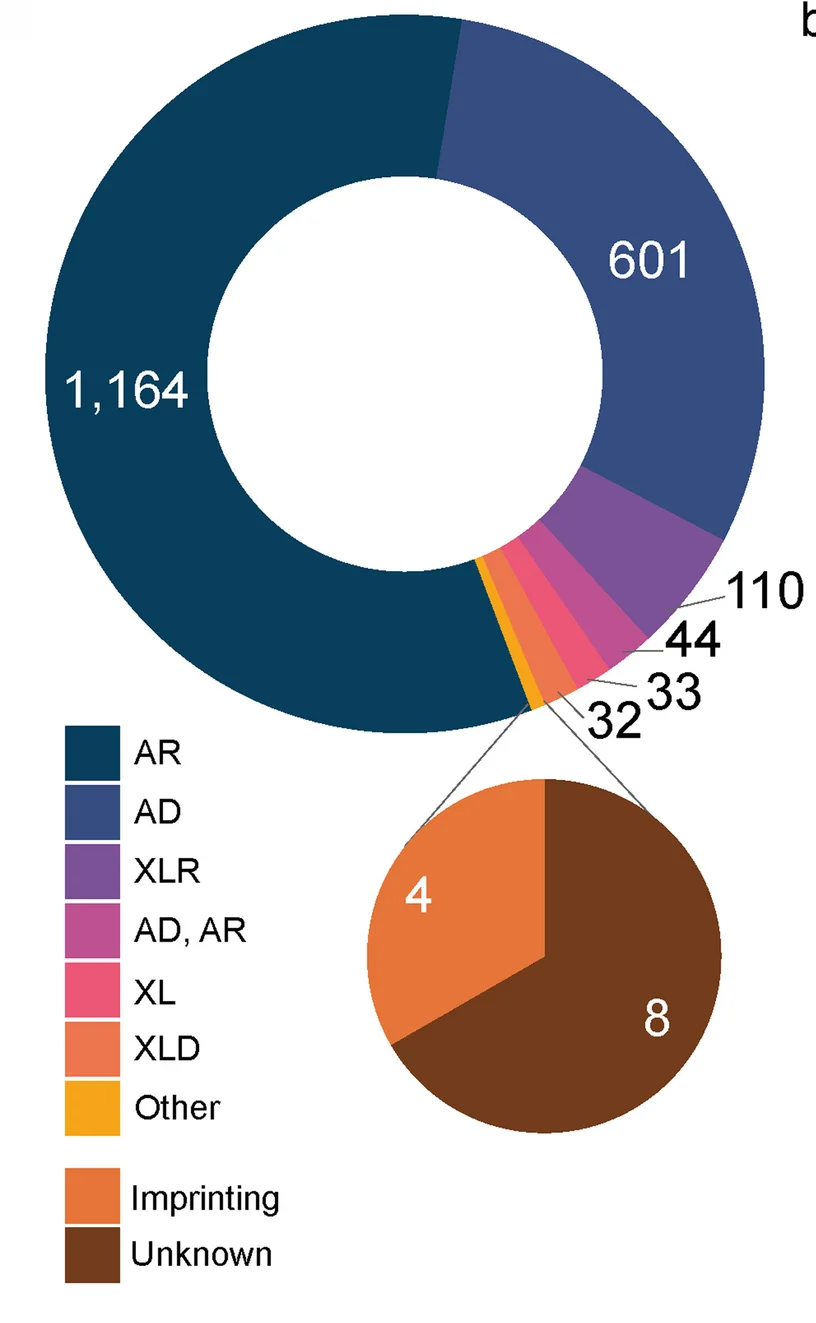
The reported inheritance of NDD disease-gene associations. AR: autosomal recessive, AD: autosomal dominant, XLR: X-linked recessive, XL: X-linked recessive or dominant, XLD: X-linked dominant
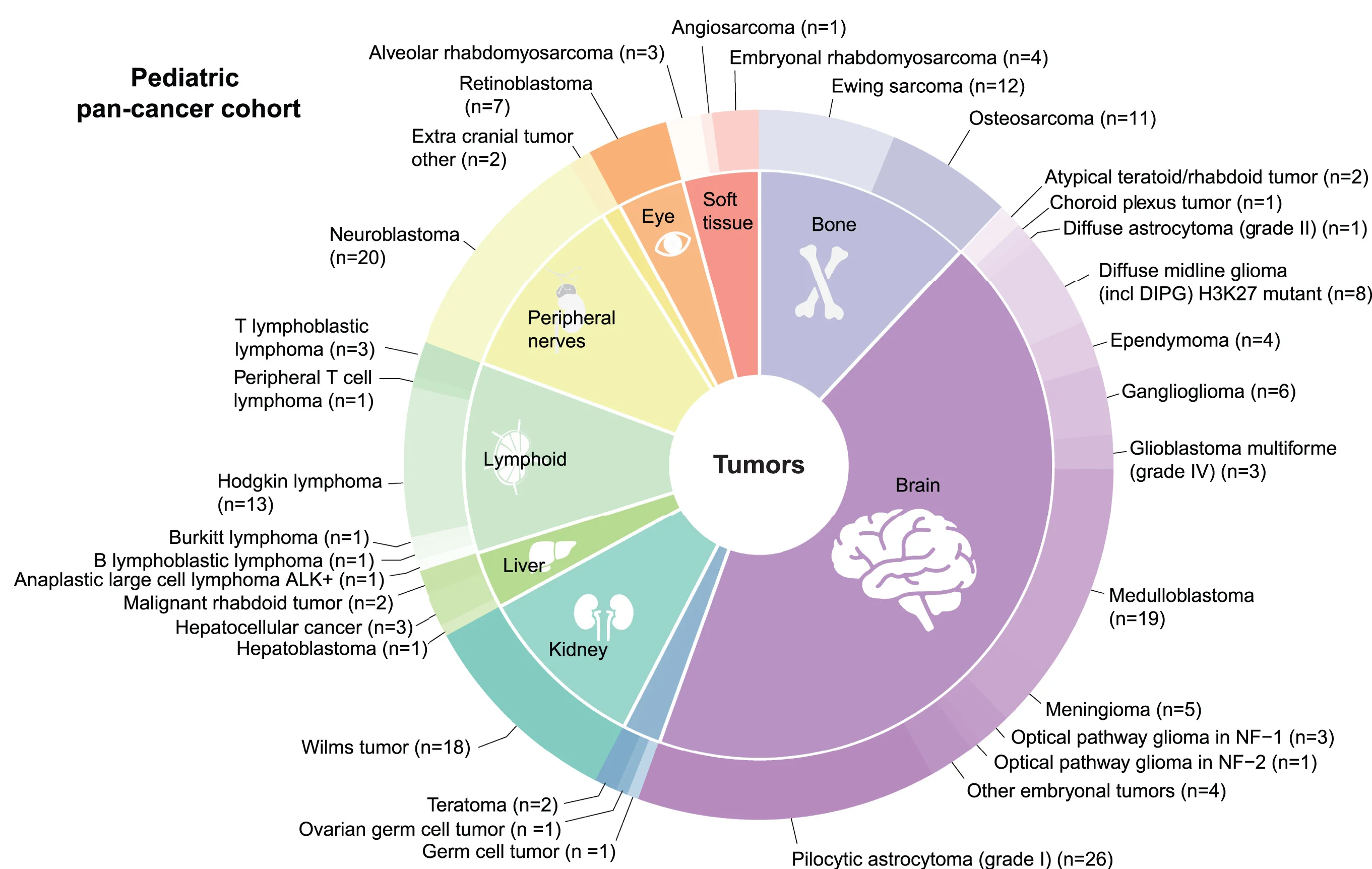
Distribution of 34 tumor types in N = 191 children included in the ISAC study.

Donut Chart

Donut Charts offer modern alternatives to pie charts for displaying proportional data with additional design flexibility. This collection presents well-designed donut chart examples from research funding visualization, sample composition, and survey results. Ideal for researchers creating infographics, dashboard displays, or presenting simple proportional data with aesthetic appeal. Explore techniques for creating effective donut charts with central annotations, nested rings, and interactive features using D3.js, Chart.js, and modern data visualization libraries.
6 plotsUpdated 5 months ago
Top ranked genes resulting in the best enrichment statistic computed for RaMeDiES-IND. Putative candidates refer to genes that remain candidates for pathogenicity due to their phenotypically-relevant tissue expression, but where there is not enough functional evidence or published gene disease relationships to establish causality at this time.
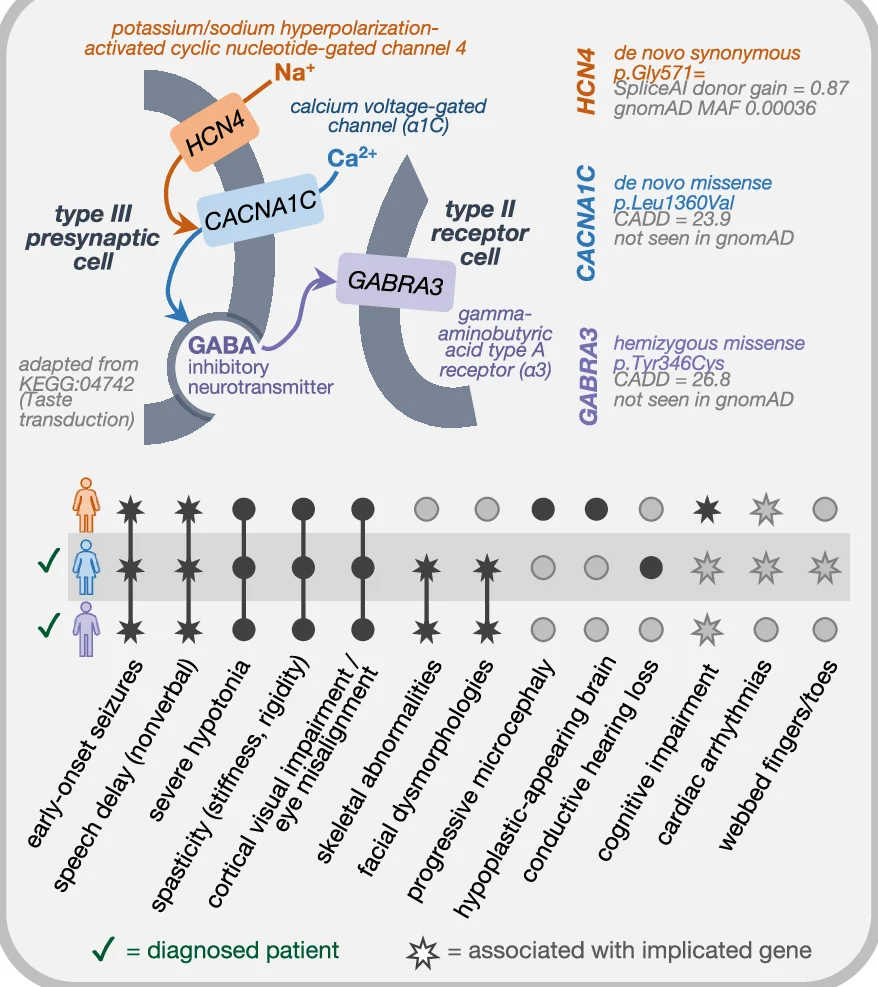
Three neurological patients had variants in transmembrane genes involved in the same pathway. These patients had substantial phenotypic overlap with each other, as expected, and with the phenotypes associated with each of their genes (depicted as star shapes in the upset plot).
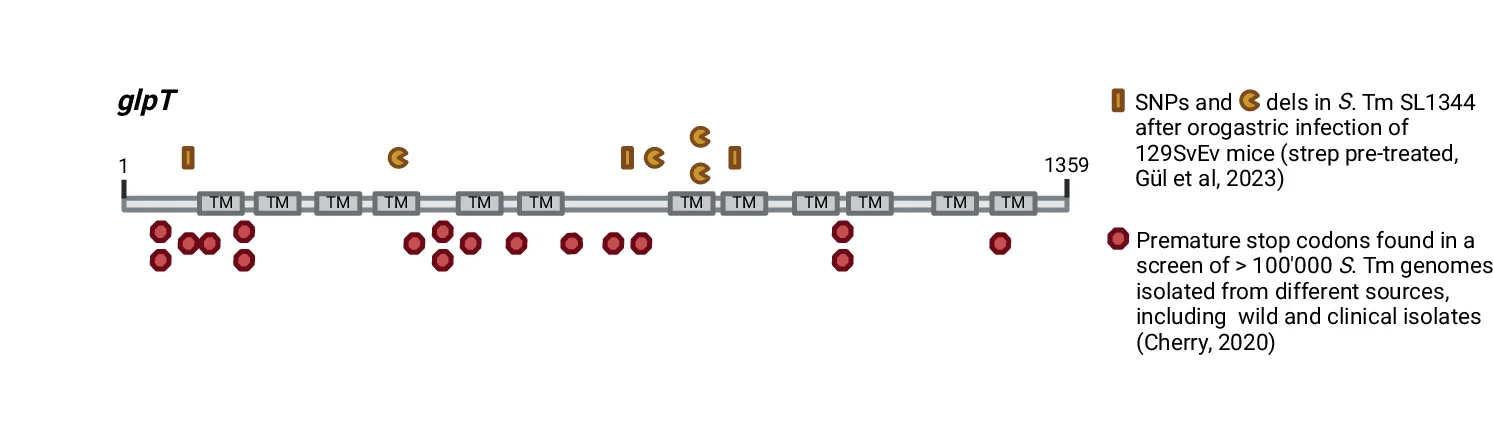
Single nucleotide polymorphisms and deletions found in the glpT gene of SL1344 after murine infection described in Gul et al. 70 PLoS Biology 2023 (upper half) and enriched premature stop codons found in sequences of different S . Tm isolates identified in Cherry, GBE, 2020 (lower half). Created in BioRender. Santamaria de Souza (2025) https://BioRender.com/f23o207
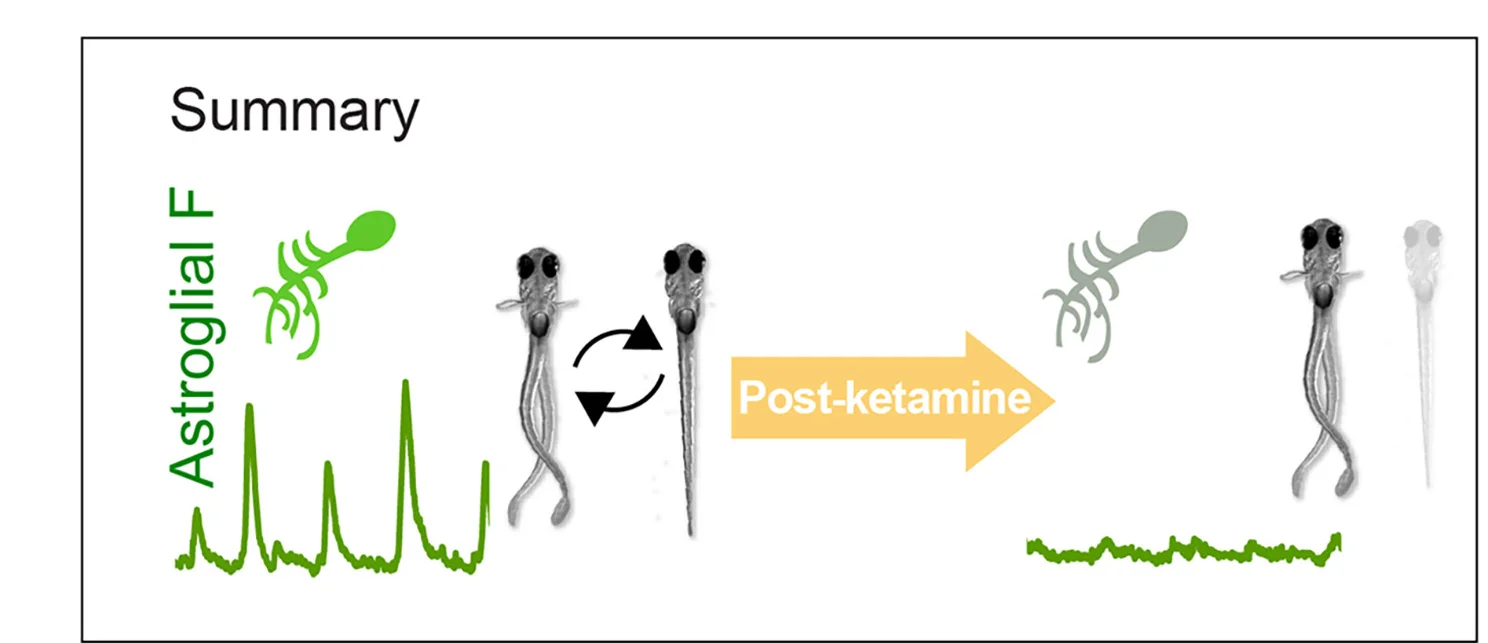
Summary of findings. Brief ketamine treatment causes, after washout, long-term reductions in passivity and hypo-activation of astrocytes compared with control.

Conclusion Diagram

Conclusion Diagrams synthesize research findings into powerful visual summaries, perfect for scientific papers, conference presentations, and grant applications. This collection features exemplary conclusion figures that effectively communicate key takeaways, research implications, and future directions. Essential for researchers crafting graphical abstracts, summary figures, and visual conclusions that enhance manuscript impact. Discover best practices for integrating multiple data types, highlighting significant findings, and creating memorable visual narratives using professional design tools and scientific visualization software.

4 plotsUpdated 5 months ago
Schematic diagram of the combinatorial immunotherapy strategy. First, tumours are transduced with the CaDox genetic system. Upon localized FUS stimulation, the CaDox system is activated in a subset of tumour cells, leading to ATP release via PANX1 hemichannels and calcium influx through purinergic receptors. This results in the expression of clinically validated antigens, such as tCD19, which prime synNotch CAR T cells (synNotch T). Activated synNotch CAR T cells then express anti-PSMA CAR to target and eliminate surrounding tumour cells.
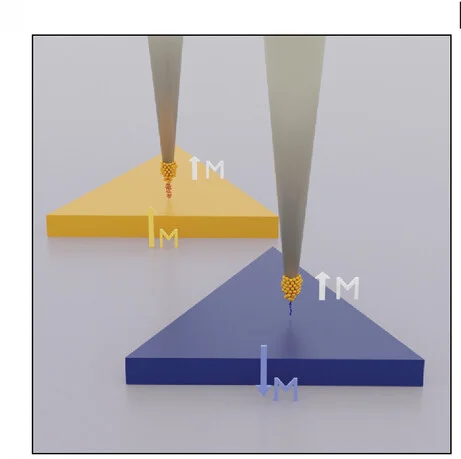
Sketch of two oppositely out-of-plane magnetized Co nanoislands probed with a magnetic Co-functionalized STM tip.
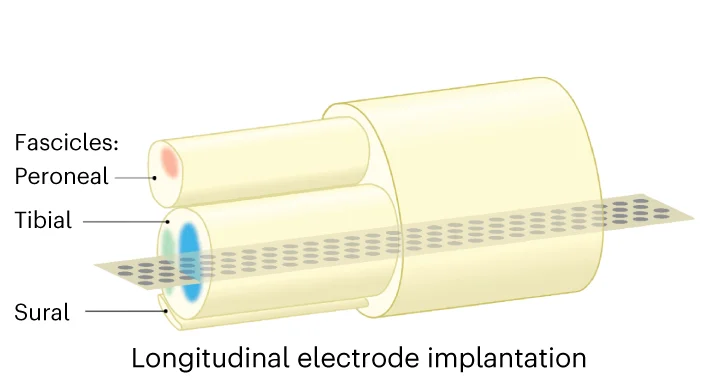
Peripheral nerve tissue response. Schematic of the intraneural biocompatibility experiment. A PI device with and without EGNITE is implanted in the tibial branch of the sciatic nerve of rats.
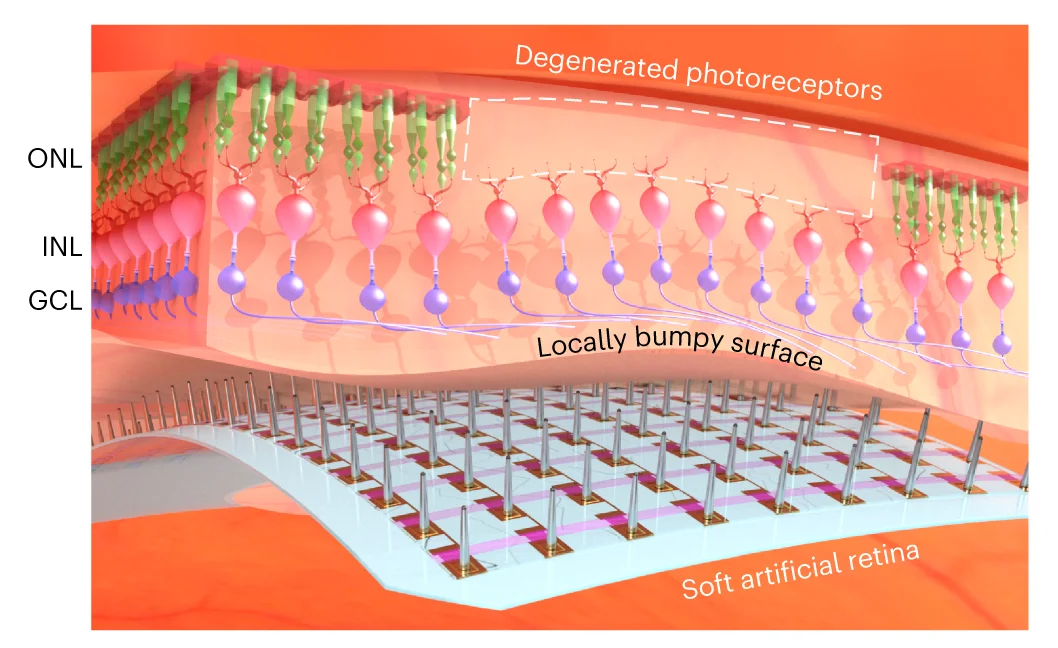
Schematic of the artificial retina integrated with the 3D LM microelectrodes in close proximity to the locally bumpy, retinal surface, due to the degeneration of photoreceptors. ONL, INL and GCL indicate the outer nuclear layer, inner nuclear layer and ganglion cell layer, respectively.

Illustration

An Illustration is a custom-designed visual used to explain a specific concept, process, or idea with clarity and impact. Unlike standardized charts, an illustration is tailored to the exact narrative you want to convey, using diagrams, icons, and graphics to make complex information intuitive and memorable. This is invaluable in scientific publications for explaining experimental setups, in educational materials for clarifying difficult topics, or in business for presenting strategic plans. A well-crafted illustration transcends data to tell a story, making it a powerful communication tool for engaging any audience and ensuring your core message is understood.
4 plotsUpdated 5 months ago
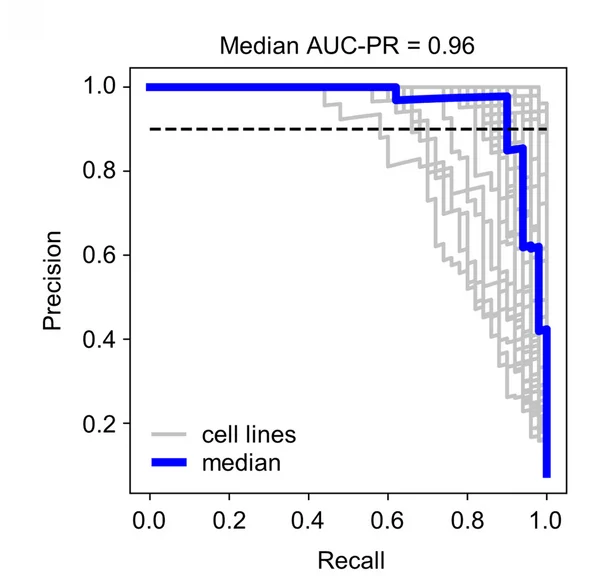
PR curve analyses on the basis of classifying predefined sets of essential and non-essential sgRNAs.
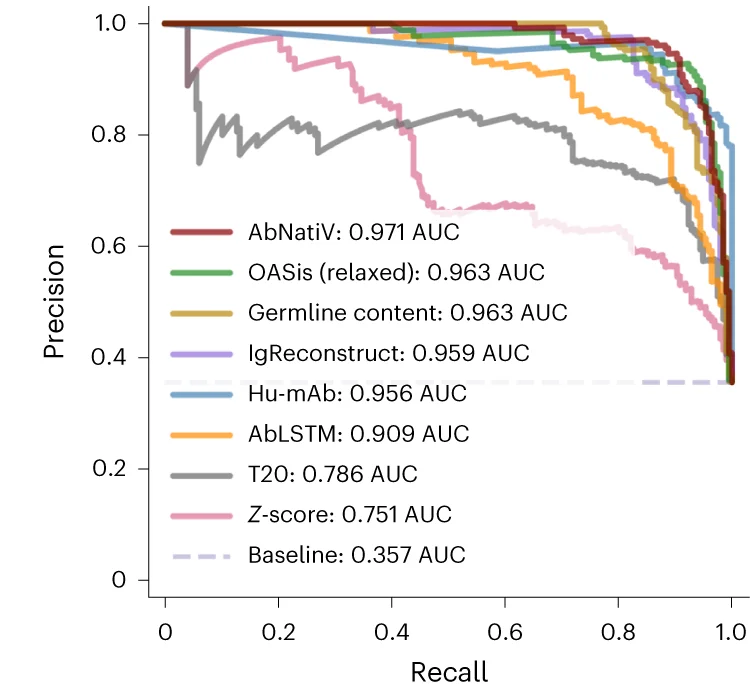
Plot of the PR curves of the classification of 196 human-derived therapeutics from 353 therapeutics of non-human origin (mouse, chimeric and humanized) carried out with AbNatiV (in red) and seven other computational methods (see legend, which also reports the AUC values). The baseline (dashed line) corresponds to the performance expected from a random classifier. Corresponding ROC curves can be found in Supplementary Fig. 10.
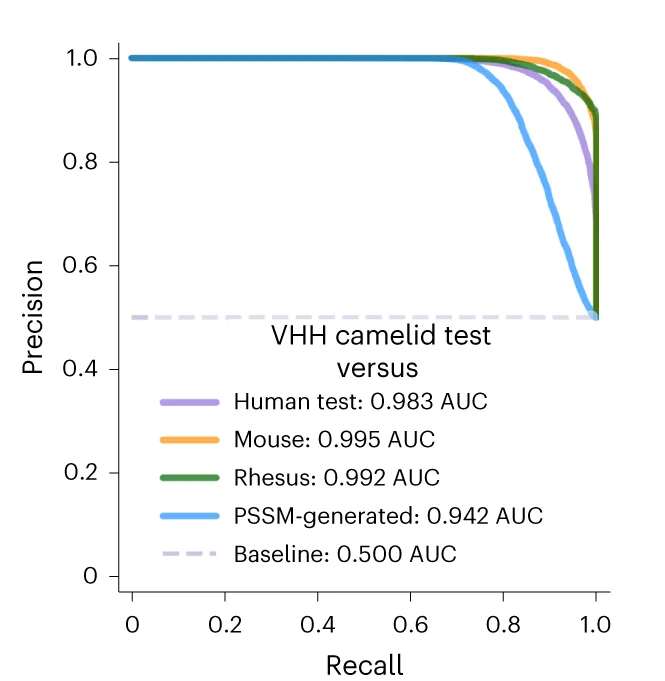
Plots of the PR curves used to quantify the ability of AbNatiV to distinguish the VHH camelid test ( b ) or camelid diverse >5% ( c ) set from the other datasets (see legend, which also reports the AUC values). The baseline (dashed line) corresponds to the performance of a random classifier. The corresponding ROC curves are given in Supplementary Fig. 11 .

PR Curve

Precision-Recall (PR) Curves are essential for evaluating machine learning classifiers on imbalanced datasets in bioinformatics and medical AI. This collection features PR curve examples from diagnostic test evaluation, biomarker discovery, and predictive modeling studies. Critical for researchers developing clinical decision support systems or genomic classifiers. Learn to create informative PR curves showing AUC-PR, operating points, and confidence bands using scikit-learn, ROCR, and specialized ML evaluation tools for reproducible model assessment.
3 plotsUpdated 5 months ago
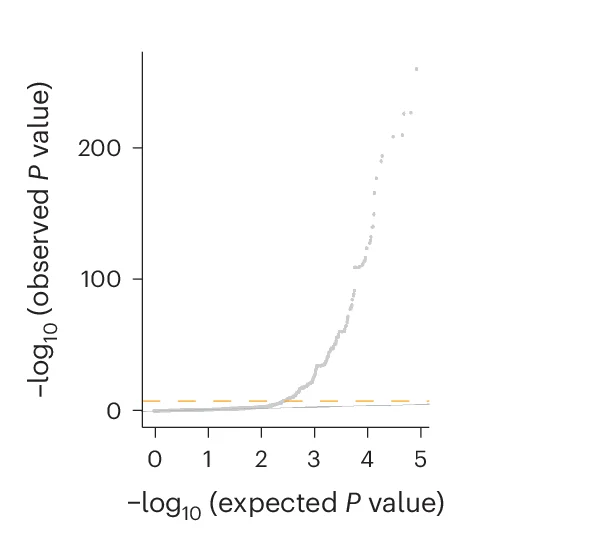
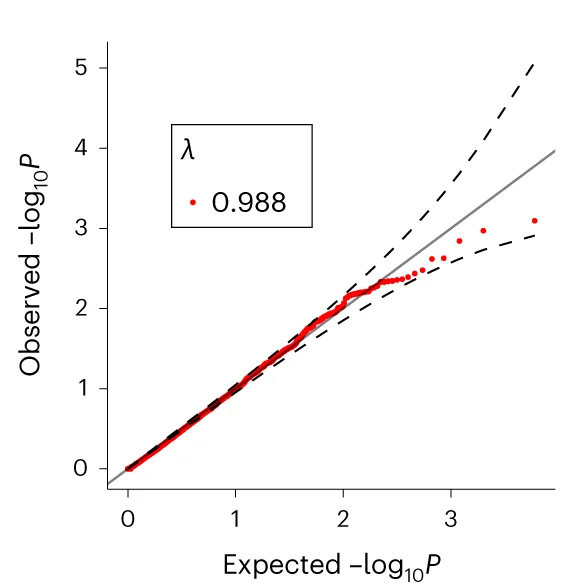
Representative quantile–quantile plot (whole-blood JTI model) displaying the observed and expected distribution of −log 10 (METSIM P values) for gene–metabolite entries with metabolic genes that pass the threshold P < 0.05 in the CLSA. Expected distribution was calculated based on all considered entries. The gray line is y = x ; the orange dashed line is the Bonferroni threshold based on gene–metabolite associations with all genes. P values (uncorrected) are from the TWAS METSIM analysis.
QQ plot for linear regression association statistics using summary genotypes counts from optimal control dataset (λ < 1.05) on common synonymous DNA variant.

QQ Plot

A QQ Plot (Quantile-Quantile Plot) is an essential statistical visualization tool for assessing data normality and comparing probability distributions in scientific research. This collection showcases high-quality QQ plot examples from peer-reviewed publications, perfect for researchers conducting statistical analysis, hypothesis testing, and data quality assessment. Whether you're performing regression diagnostics, analyzing residuals, or validating statistical assumptions, these curated QQ plots demonstrate best practices for creating publication-ready figures. Explore examples using R ggplot2, Python matplotlib, and other scientific visualization tools to enhance your statistical data analysis workflow.
2 plotsUpdated 5 months ago
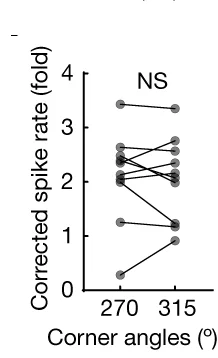
Corrected peak spike rates of corner cells (identified in convex-3) at the convex corners (270° versus 315°) in the convex-3 arena (two-tailed Wilcoxon signed-rank test: P = 0.85; n = 10 mice).
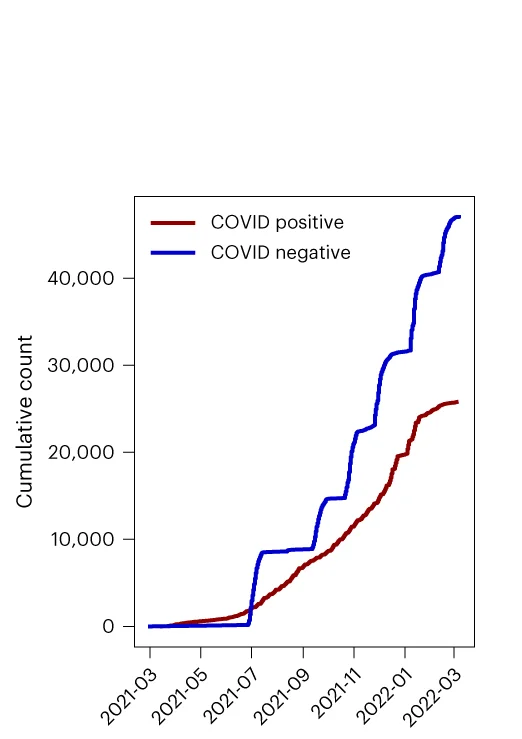
Cumulative count of the number of participants partaking in the study.

Line Plot with Scatter

Line Plots with Scatter Points combine trend visualization with raw data transparency, ideal for time-series analysis and model validation. This collection presents exemplary hybrid plots from longitudinal studies, growth curves, and kinetic analyses. Essential for researchers showing fitted models alongside experimental data, confidence intervals, or individual observations. Learn techniques for balancing line clarity with data point visibility using ggplot2, matplotlib, and specialized plotting libraries for creating informative scientific figures.

2 plotsUpdated 5 months ago