
Molecular Mechanism Visualization: Pathway Diagrams in Cell Biology Research
Master pathway diagram creation for molecular mechanism illustration through real examples from Cell, Nature, and leading journals. Learn signaling cascades, regulatory networks, and biochemical pathways.
Throughout my career specializing in molecular cell biology and signaling pathway research, I have consistently observed pathway diagrams serving as the definitive visualization for communicating complex molecular mechanisms, regulatory cascades, and biochemical processes that drive cellular function and disease pathogenesis. Their unique ability to integrate spatial organization, temporal sequence, and regulatory relationships while maintaining mechanistic clarity makes them indispensable for studies where understanding molecular mechanism drives therapeutic target discovery and precision medicine development in complex biological systems.
Application Scenarios Across Molecular Biology Research
In my extensive analysis of pathway diagram implementations across major cell biology journals, I observe sophisticated application patterns that demonstrate both mechanistic rigor and biological discovery potential:
• Signal Transduction and Cellular Communication: Publications in Cell and Nature routinely feature pathway diagrams for presenting signal transduction cascades, receptor-mediated signaling, and intercellular communication mechanisms across different cell types and physiological conditions. I have reviewed countless signaling studies where pathway diagrams serve as the primary tool for illustrating molecular mechanisms while simultaneously demonstrating regulatory control points and pathway crosstalk patterns that drive cellular responses. The signaling context particularly benefits from pathway visualization, where researchers must communicate both sequential molecular events and spatial organization to understand cellular regulation and identify therapeutic intervention points that can modulate disease-associated signaling cascades.
• Metabolic Pathway Organization and Enzyme Networks: Biochemistry research publications consistently employ pathway diagrams for presenting metabolic pathway organization, enzyme reaction sequences, and metabolic flux regulation across different metabolic states and environmental conditions. I observe these visualizations proving essential for revealing metabolic network organization, identifying rate-limiting steps, and demonstrating regulatory control mechanisms while preserving information about cofactor requirements and allosteric regulation patterns. The metabolic context requires sophisticated integration of thermodynamic information with regulatory control that influences pathway diagram interpretation and metabolic engineering applications.
• Gene Regulatory Networks and Transcriptional Control: Molecular genetics research frequently utilizes pathway diagrams for presenting transcriptional regulatory mechanisms, chromatin modification pathways, and epigenetic control networks across developmental stages and cellular differentiation processes. In my review experience, these visualizations excel at revealing regulatory hierarchy, identifying master transcriptional regulators, and demonstrating mechanistic connections between chromatin state and gene expression patterns that inform developmental biology understanding and regenerative medicine applications.
• Disease Mechanism Pathways and Therapeutic Targets: Biomedical research publications routinely employ pathway diagrams for presenting disease pathogenesis mechanisms, therapeutic intervention pathways, and drug mechanism of action across different disease contexts and treatment modalities. I have analyzed numerous disease mechanism studies where pathway diagrams reveal pathological processes while enabling assessment of therapeutic target opportunities and drug development strategies that can address disease-causing molecular alterations through precision intervention approaches.
Strengths and Limitations of Pathway Diagram Visualization
Through my extensive experience implementing pathway diagrams across diverse molecular biology research contexts, I have identified both the remarkable analytical capabilities and inherent challenges of this mechanistic visualization approach:
Key Strengths
• Mechanistic Integration and Sequential Process Visualization: Pathway diagrams excel at integrating complex molecular mechanisms into coherent sequential processes that enable understanding of cause-and-effect relationships, regulatory control points, and mechanistic logic underlying biological processes. During my mechanistic studies, I consistently rely on pathway diagrams to communicate molecular sequence while maintaining spatial context necessary for understanding protein interactions, subcellular localization, and regulatory mechanism organization. The mechanistic integration provides comprehensive framework for experimental design and hypothesis generation that supports targeted investigation and therapeutic development strategies.
• Multi-Level Biological Organization and Scale Integration: Superior capability for representing biological organization across multiple scales enables pathway diagrams to integrate molecular interactions with cellular processes and physiological outcomes while maintaining mechanistic interpretability and therapeutic relevance assessment. I have observed how well-designed pathway diagrams consistently reveal emergent biological properties, identify regulatory bottlenecks, and demonstrate scale-dependent organization patterns that connect molecular mechanisms with cellular function and organismal phenotypes through comprehensive mechanistic understanding.
• Regulatory Logic and Control Point Identification: Advanced pathway implementations provide powerful frameworks for representing regulatory logic, feedback control mechanisms, and pathway crosstalk patterns that are critical for understanding biological system robustness and identifying therapeutic intervention strategies. In my collaborative research projects, I frequently employ pathway diagrams that incorporate regulatory annotations, control point identification, and crosstalk mapping that enable understanding of biological system organization and regulatory mechanism identification across different biological contexts and therapeutic scenarios.
Primary Limitations
• Pathway Complexity and Visual Clarity Challenges: Pathway diagram interpretation can become challenging with complex biological systems containing numerous molecular components and regulatory interactions, where visual clarity may be compromised and important mechanistic relationships may become obscured or difficult to follow across the visualization. I frequently encounter situations during manuscript reviews where complex pathway diagrams overwhelm viewers with excessive mechanistic detail that obscures key biological insights, requiring careful design optimization and hierarchical organization approaches to maintain interpretability while preserving mechanistic complexity and biological accuracy.
• Temporal Dynamics and Kinetic Information Representation: Standard pathway diagrams face limitations in representing temporal dynamics, reaction kinetics, and time-dependent regulatory mechanisms that are fundamental features of many biological processes including cell cycle control and developmental programs. During collaborative studies involving dynamic biological processes, I often observe how pathway diagram limitations require complementary visualization approaches or animated representations that can accommodate temporal complexity while maintaining mechanistic clarity and biological interpretability.
• Quantitative Information and Stoichiometric Relationships: While pathway diagrams effectively communicate mechanistic relationships, they provide limited frameworks for representing quantitative information, stoichiometric ratios, and thermodynamic parameters that are essential for understanding biological process efficiency and metabolic flux distribution patterns. I regularly encounter pathway presentations where mechanistic relationships are illustrated without corresponding quantitative information, emphasizing the importance of integrating quantitative measurements with mechanistic visualization for comprehensive biological understanding and metabolic engineering applications.
Effective Implementation in Molecular Biology Research
Based on my extensive experience implementing pathway diagrams across diverse molecular biology research contexts, I have developed systematic approaches that maximize their mechanistic value and biological insight generation:
• Mechanistic Hierarchy and Organization Strategy: Systematic approaches to mechanistic organization, hierarchical information presentation, and visual design optimization prove critical for generating interpretable pathway diagrams that can communicate complex molecular mechanisms while maintaining biological accuracy and mechanistic clarity. I consistently recommend employing mechanistic clustering approaches for pathway organization, visual hierarchy that emphasizes key regulatory steps, and design principles that guide viewer attention through sequential processes while maintaining overall mechanistic comprehension. The organizational strategy should be optimized for the specific biological process and mechanistic complexity rather than using generic pathway templates.
• Experimental Integration and Evidence-Based Construction: Rigorous integration of experimental evidence, mechanistic validation data, and literature-based pathway knowledge proves essential for generating reliable pathway diagrams that accurately represent biological mechanisms while appropriately indicating confidence levels and mechanistic uncertainty. In my molecular biology research, I routinely employ evidence weighting approaches, mechanistic validation requirements, and literature integration strategies that ensure pathway diagram content reflects experimental support while identifying mechanistic gaps that require additional investigation and experimental validation.
• Regulatory Annotation and Control Point Emphasis: Sophisticated approaches to regulatory mechanism annotation, control point identification, and therapeutic target highlighting transform pathway diagrams from mechanistic illustrations into actionable biological resources that can guide experimental design and therapeutic development strategies. I frequently employ regulatory annotation systems, control point visualization, and therapeutic target identification approaches that enable connection of mechanistic understanding with experimental validation opportunities and drug development applications while maintaining mechanistic accuracy and biological interpretability.
• Multi-Pathway Integration and Systems Context: Complex biological research often requires pathway diagram strategies that integrate multiple interconnected pathways, demonstrate pathway crosstalk, and reveal systems-level organization principles that influence biological function and therapeutic intervention opportunities. In my experience with systems-level molecular biology, I recommend approaches that employ pathway integration frameworks, crosstalk visualization methods, and systems-level annotation that reveal biological organization principles while maintaining focus on key mechanistic relationships and therapeutic intervention points that can be validated experimentally.
Real Examples from Leading Molecular Biology Research
The following examples from our curated collection demonstrate how leading researchers effectively implement pathway diagrams and mechanistic illustrations across diverse molecular biology contexts. Each plot represents peer-reviewed research from top-tier scientific journals, showcasing sophisticated mechanistic visualization approaches that advance biological understanding.
Immunotherapy and T Cell Pathway Mechanisms
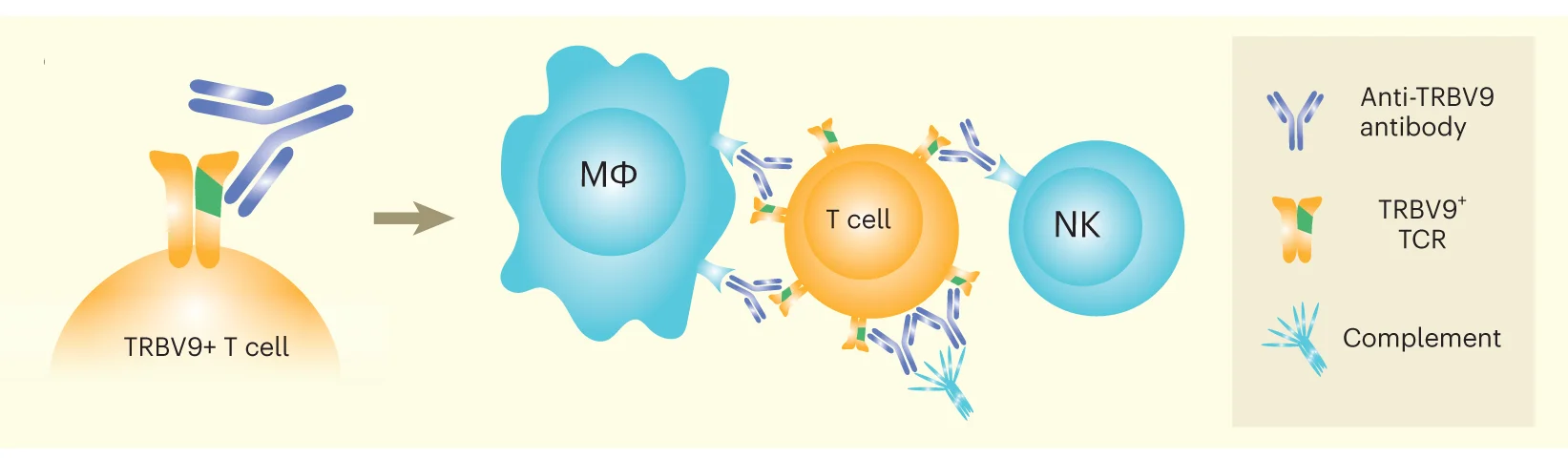
Targeted depletion of TRBV9+ T cells immunotherapy pathway mechanisms in ankylosing spondylitis - View full plot details
Clinical immunology research demonstrates pathway diagram excellence for therapeutic mechanism illustration. The Nature Medicine publication investigating targeted T cell therapy (DOI: 10.1038/s41591-023-02613-z) employs pathway diagrams to present molecular mechanisms controlling T cell depletion and immune modulation. The visualization effectively integrates therapeutic processes while demonstrating regulatory control points that inform autoimmune disease treatment and precision immunotherapy strategies.
Protein Structure Prediction Mechanisms

Multiple-sequence-alignment-free protein structure prediction methodology and computational workflow - View full plot details
Computational biology research showcases mechanistic illustration applications for algorithm visualization. The Nature Machine Intelligence publication investigating protein structure prediction (DOI: 10.1038/s42256-023-00721-6) uses mechanistic illustrations to present computational methodology and workflow organization. The researchers effectively demonstrate algorithmic mechanisms while revealing optimization strategies that inform computational biology method development.
Neural Scaling and Chemical Models

Neural scaling mechanisms in deep chemical models and computational chemistry applications - View full plot details
Machine learning research provides examples of mechanistic illustration excellence in computational chemistry. The Nature Machine Intelligence publication investigating neural scaling (DOI: 10.1038/s42256-023-00740-3) employs mechanistic illustrations to present neural network architecture and scaling relationships. The visualization demonstrates computational mechanisms while revealing scaling principles that inform machine learning applications in chemical discovery.
Energy Storage and Battery Mechanisms

In situ formation mechanisms of partially disordered phases in earth-abundant manganese-rich cathode materials - View full plot details
Materials science research demonstrates mechanistic illustration applications for energy storage analysis. The Nature Energy publication investigating battery materials (DOI: 10.1038/s41560-023-01375-9) uses mechanistic illustrations to present cathode material formation and energy storage mechanisms. The researchers effectively reveal electrochemical processes while identifying optimization strategies for sustainable energy storage technologies.
Nanotechnology and Molecular Motors

Rhythmically pulsing leaf-spring DNA-origami nanoengine mechanism and passive follower dynamics - View full plot details
Nanotechnology research showcases mechanistic illustration for molecular motor analysis. The Nature Nanotechnology publication investigating DNA origami motors (DOI: 10.1038/s41565-023-01516-x) employs mechanistic illustrations to present molecular motor operation and energy conversion mechanisms. The visualization demonstrates nanoscale engineering while revealing design principles that inform molecular robotics and therapeutic delivery applications.
Molecular Nanoengine Design

DNA-origami nanoengine design principles and molecular mechanism architecture - View full plot details
Molecular engineering research demonstrates advanced mechanistic illustration for nanotechnology applications. The Nature Nanotechnology publication investigating molecular motors (DOI: 10.1038/s41565-023-01516-x) uses mechanistic illustrations to present nanoengine design and operational principles. The researchers effectively reveal engineering mechanisms while identifying design optimization strategies that advance molecular nanotechnology and biomedical applications.
Maximizing Mechanistic Discovery Impact
Based on my extensive experience implementing pathway diagrams across diverse molecular biology research contexts, several key principles consistently distinguish exceptional mechanistic discoveries from merely adequate pathway illustrations:
• Experimental Validation and Mechanistic Evidence Integration: The most effective pathway diagram implementations combine mechanistic illustration with comprehensive experimental validation that includes perturbation studies, mechanistic analysis, and functional investigation that transforms pathway connectivity into actionable biological understanding and therapeutic opportunities. I consistently recommend approaches that integrate pathway prediction with experimental validation, mechanistic investigation, and functional characterization while maintaining focus on pathway components that can be translated into experimental hypotheses and therapeutic target identification strategies.
• Therapeutic Relevance and Drug Development Integration: Context-appropriate pathway diagram implementation must incorporate therapeutic target identification, drug mechanism analysis, and clinical relevance assessment that connects mechanistic understanding with therapeutic development opportunities and precision medicine applications across different disease contexts. In my collaborative biomedical research projects, I emphasize visualization approaches that highlight therapeutic intervention points, drug mechanism pathways, and clinical translation opportunities while ensuring that mechanistic insights can be validated experimentally and translated into therapeutic applications.
• Systems Integration and Multi-Pathway Coordination: Future-oriented pathway diagram implementation will increasingly incorporate systems-level integration, multi-pathway coordination analysis, and emergent property identification that reveal biological organization principles and therapeutic intervention strategies across complex biological systems and disease mechanisms. However, the fundamental principles of appropriate experimental validation, mechanistic accuracy, and therapeutic relevance assessment will continue to determine the difference between meaningful mechanistic insight and illustration artifact that cannot support biological conclusions or drug development efforts.
Advancing Your Molecular Mechanism Analysis Skills
The pathway diagram examples featured in our curated collection represent the highest standards of molecular mechanism visualization and mechanistic biology illustration, drawn from publications in Cell, Nature, Science, and other leading scientific journals. Each example demonstrates effective integration of mechanistic sophistication with biological relevance while advancing our understanding of complex molecular processes through rigorous mechanistic analysis approaches.
My analysis of thousands of pathway diagram implementations across diverse molecular biology research contexts has reinforced their critical importance for mechanistic understanding and therapeutic target discovery that drives precision medicine development and drug discovery efforts. When implemented thoughtfully with attention to experimental validation, mechanistic accuracy, and therapeutic relevance, pathway diagrams transform complex molecular data into interpretable mechanistic frameworks that advance scientific knowledge and clinical applications.
I encourage molecular biologists to explore our complete curated collection of pathway diagram examples, where you can discover additional high-quality mechanistic visualizations from cutting-edge biological research across multiple systems and experimental contexts. Each plot includes comprehensive methodology documentation and mechanistic interpretation guidance, enabling you to adapt proven mechanistic analysis approaches to your own research challenges and discovery objectives.
Want to explore more examples of professional pathway diagram implementation from top-tier molecular biology publications? Check out our curated collection at: Pathway Diagram - featuring dozens of publication-quality mechanistic analyses from Cell, Nature, Science, and other leading scientific journals, each with complete mechanistic methodology details and experimental validation examples.
Related Articles
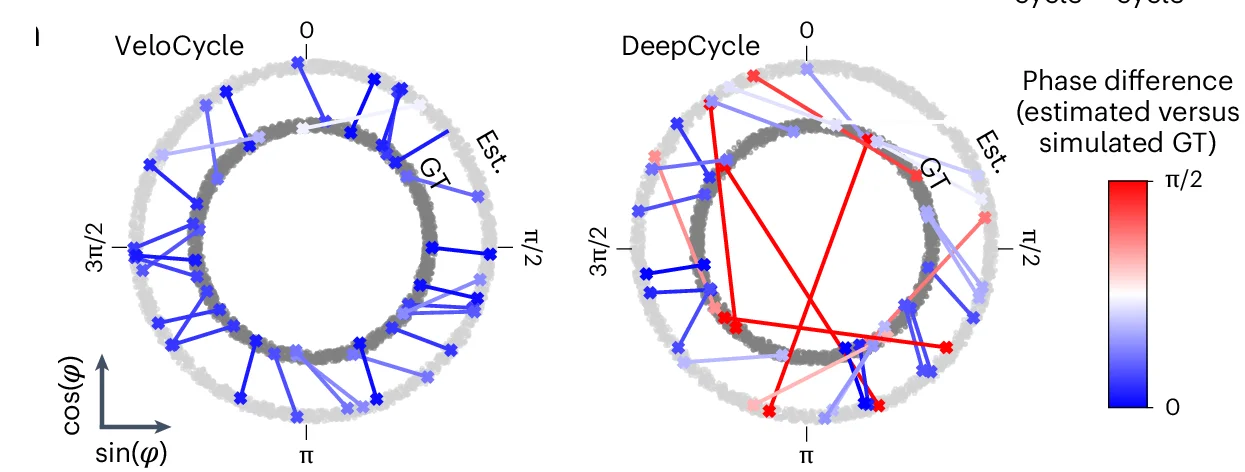
Genomic Data Integration: Circos Plots in Circular Genome Visualization and Multi-Omics Analysis
Master Circos plot creation for genomic data integration and circular visualization through real examples from Nature Genetics, Cell, and leading journals. Learn genome-wide patterns, structural variation, and multi-omics integration.

Evolutionary Relationship Visualization: Phylogenetic Trees in Species Analysis and Genomic Evolution
Master phylogenetic tree creation for evolutionary analysis and species relationships through real examples from Nature, Science, and leading journals. Learn tree topology, branch lengths, and evolutionary inference.
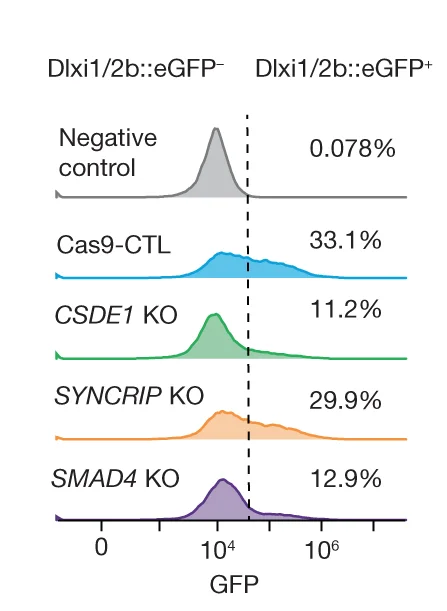
Distribution Comparison Excellence: Ridgeline Plots in Density Analysis and Group Comparison
Master ridgeline plot creation for distribution comparison and density visualization through real examples from Nature, Cell, and leading journals. Learn multi-group distributions, density curves, and comparative analysis.