Bar Chart Excellence in Scientific Publications: Real Examples from Nature and Cell Research
Master the art of creating professional bar charts for scientific research through real examples from top-tier journals. Learn design principles, best practices, and common pitfalls to avoid.
During my decade-long career analyzing data visualization trends in scientific literature, I have consistently observed bar charts serving as the foundational visualization tool across virtually every research discipline. Their straightforward design and intuitive interpretation make them indispensable for communicating quantitative comparisons, experimental results, and statistical analyses in ways that immediately resonate with both technical experts and broader scientific audiences.
Application Scenarios Across Scientific Journals
Through my extensive review of visualization patterns across major scientific publications, bar charts appear as versatile workhorses across multiple research domains, each leveraging their unique strengths for different analytical purposes:
• Experimental Comparison Studies: I consistently encounter bar charts in Nature and Science publications where researchers present controlled experimental results comparing different treatment groups, time points, or experimental conditions. These visualizations prove particularly powerful in biological and medical research, where researchers must demonstrate statistically significant differences between experimental groups while maintaining visual clarity across complex multi-factorial designs. In my review experience, the most effective experimental bar charts incorporate error bars representing standard error or confidence intervals, enabling readers to assess both effect magnitude and statistical reliability at a glance.
• Clinical Research and Biomarker Analysis: Medical journals like Nature Medicine and The Lancet frequently feature bar charts for presenting clinical trial results, biomarker comparisons, and patient population characteristics. I observe these visualizations being used to demonstrate treatment efficacy differences, compare diagnostic accuracy across different methods, and present demographic or clinical characteristics across patient cohorts. The clinical research context demands particular attention to statistical significance indicators and effect size representation, with many bar charts incorporating significance brackets and p-values to communicate clinical relevance clearly.
• Genomics and Molecular Biology: Publications in Cell and Nature Genetics routinely employ bar charts to present gene expression levels, protein concentrations, and molecular pathway activity measurements across different experimental conditions. I have reviewed numerous studies where these plots demonstrate fold-change comparisons, pathway enrichment scores, and functional annotation results. The genomics context often requires logarithmic scaling due to the wide dynamic range of biological measurements, from nanomolar protein concentrations to thousands-fold gene expression differences.
• Materials Science and Engineering Research: My analysis of journals like Advanced Energy Materials and Nature Materials reveals frequent bar chart usage for presenting material property comparisons, device performance metrics, and optimization results across different synthetic conditions or material compositions. These visualizations excel at presenting efficiency measurements, mechanical properties, and performance benchmarks while enabling direct comparison across multiple material variants or processing conditions. The engineering context typically involves precise measurement uncertainties and standardized testing protocols that require careful error bar representation.
Strengths and Limitations of Bar Chart Visualization
Through my extensive experience reviewing scientific manuscripts, I have identified both the remarkable capabilities and inherent limitations of bar chart visualizations in research contexts:
Key Strengths
• Clear Quantitative Comparisons: The primary strength of bar charts lies in their ability to enable immediate quantitative comparisons between discrete categories or experimental groups, making them ideal for presenting experimental results where the primary research question involves comparing group means or treatment effects. During my manuscript reviews, I have repeatedly observed how well-designed bar charts allow readers to instantly grasp the relative magnitude of differences between experimental conditions, treatment groups, or measurement categories. The visual length encoding provides intuitive magnitude comparison that requires minimal cognitive processing, making complex experimental results accessible to diverse scientific audiences.
• Statistical Significance Communication: Bar charts excel at incorporating statistical information through error bars, significance indicators, and confidence intervals, enabling researchers to communicate both effect magnitude and statistical reliability within a single visualization. In my experience reviewing medical and biological research, the most impactful bar charts seamlessly integrate statistical testing results with visual comparisons, using error bars to represent standard error, standard deviation, or confidence intervals while incorporating significance brackets or asterisk systems to indicate statistically significant differences between groups.
• Multi-Factor Design Visualization: Advanced bar charts can effectively display complex experimental designs involving multiple factors through strategic use of grouping, color coding, and panel arrangements, allowing researchers to present comprehensive experimental results that would require multiple separate visualizations in other formats. I have found this capability particularly valuable in biological research where experiments often involve multiple treatment conditions, time points, and biological replicates that must be presented in an organized, interpretable manner.
Primary Limitations
• Continuous Variable Representation: Bar charts present significant limitations when dealing with continuous variables or relationships, where other visualization formats like scatter plots or line graphs would more effectively communicate patterns, trends, or correlations in the data. I have encountered numerous situations during manuscript reviews where authors inappropriately used bar charts for data that would be better represented as continuous relationships, potentially obscuring important trends or correlations that drive the biological or physical phenomena being investigated.
• Category Number Scalability: Another limitation I frequently observe involves the challenge of presenting large numbers of categories or groups within a single bar chart without creating visual clutter or reducing interpretability. During reviews of genomics studies with dozens of gene comparisons or clinical studies with numerous patient subgroups, I often recommend alternative visualization approaches that better accommodate high-dimensional categorical data while maintaining visual clarity and analytical insight.
• Baseline and Zero-Point Sensitivity: Bar charts require careful attention to baseline representation and zero-point inclusion to avoid misleading visual impressions about relative magnitudes and differences between groups. I have reviewed numerous manuscripts where inappropriate axis truncation or baseline manipulation created visually exaggerated differences that did not accurately reflect the underlying statistical relationships, potentially leading to misinterpretation of research findings and overstatement of biological or clinical significance.
Effective Implementation in Research Contexts
Based on my extensive experience implementing bar charts across diverse research contexts, I have developed systematic approaches that maximize their analytical and communicative value:
• Strategic Error Bar Selection: Careful selection of error bar type proves critical for accurate statistical communication and appropriate interpretation of experimental results. Standard error bars work effectively for communicating precision of mean estimates and enabling visual assessment of statistical significance, while standard deviation bars better represent population variability and data distribution characteristics. Confidence intervals provide the most statistically informative representation, enabling readers to assess both precision and significance simultaneously. The choice should always reflect the research question and statistical analysis approach rather than defaulting to standard conventions without consideration.
• Color Strategy and Visual Hierarchy: Color selection and application require strategic planning to enhance rather than complicate the analytical message, with each visual element serving a specific interpretive purpose within the overall experimental narrative. In my collaborative research projects, I typically recommend using color to represent different experimental treatments, biological conditions, or time points while maintaining sufficient contrast for accessibility and print reproduction. Consistent color schemes across figure panels create coherent visual narratives that help readers follow complex experimental designs and multi-panel result presentations.
• Statistical Significance Integration: Statistical overlays transform bar charts from simple comparisons into comprehensive analytical displays that provide complete experimental interpretation within a single visualization format. I routinely incorporate significance brackets connecting compared groups, asterisk or letter-based significance indicators, and p-value annotations that enable readers to assess both biological and statistical significance. The statistical approach should integrate seamlessly with the visual design while providing complete information for independent interpretation of experimental results.
• Multi-Panel Organization: Complex experimental designs often require multi-panel bar chart arrangements that maintain visual coherence while presenting comprehensive experimental results across multiple conditions, time points, or biological contexts. In my research involving longitudinal studies or multi-factorial experiments, I frequently employ panel arrangements that group related comparisons while maintaining consistent scaling and visual formatting across all panels. This approach enables readers to assess both individual comparisons and broader experimental patterns within a unified visual framework.
Real Examples from Cutting-Edge Research
The following examples from our curated collection demonstrate how leading researchers effectively implement bar charts across diverse scientific disciplines. Each plot represents peer-reviewed research from top-tier journals, showcasing the versatility and power of bar chart visualization in modern scientific communication.
Materials Science and Energy Research

Solar cell efficiency comparison across different material compositions - View full plot details
Materials science research provides excellent examples of bar chart applications in contemporary physical sciences research. A compelling demonstration appears in the 2025 Advanced Energy Materials publication investigating organic solar cell performance bottlenecks (DOI: 10.1002/aenm.202502398). Their bar chart effectively compares device efficiency metrics across different narrow bandgap organic photovoltaic materials, revealing systematic performance differences that guide material selection for next-generation solar technologies. The visualization successfully demonstrates how subtle compositional changes influence device performance, with clear error bars representing measurement precision across multiple device fabrication runs.

Performance parameter optimization in advanced photovoltaic devices - View full plot details
This second example from the same Advanced Energy Materials publication demonstrates advanced bar chart techniques for visualizing device optimization across multiple performance parameters. The researchers effectively use grouped bar arrangements to compare power conversion efficiency, fill factor, and open-circuit voltage simultaneously across different material processing conditions, enabling comprehensive performance assessment within a single visualization framework.
Genomics and Computational Biology

Cell-free DNA fragmentomic feature comparison across analytical methods - View full plot details
Computational genomics research continues to rely heavily on bar charts for presenting analytical method comparisons and validation results. The Genome Biology publication investigating cell-free DNA fragmentomic analysis (DOI: 10.1186/s13059-025-03607-5) uses bar charts to compare feature extraction performance across different computational approaches. This approach enables readers to immediately assess the relative effectiveness of different analytical frameworks while understanding the precision and reliability of each method through comprehensive error bar representation.
Clinical Genetics and Precision Medicine

Liver disease variant frequency comparison across patient populations - View full plot details
Clinical genetics research demonstrates bar charts' power for presenting patient population analyses and disease mechanism insights. The Nature Genetics publication investigating SERPINA1 somatic variants in alpha-1 antitrypsin deficiency (DOI: 10.1038/s41588-025-02125-1) employs bar charts to compare variant frequencies across different liver disease severity categories. The visualization demonstrates excellent use of statistical significance indicators and confidence intervals to communicate clinical relevance and therapeutic implications.
Developmental Biology and Stem Cell Research

Cytokinin response pathway analysis in pluripotent stem cells - View full plot details
Developmental biology research provides additional examples of bar chart effectiveness in presenting molecular mechanism studies. The Developmental Cell publication examining moss stem cell identity regulation (DOI: 10.1016/j.devcel.2025.02.006) uses bar charts to demonstrate cytokinin-ESR module activity across different developmental conditions. The visualization effectively combines quantitative measurements with statistical validation to reveal conserved regulatory mechanisms across evolutionary distant plant species.
Immunology and T Cell Biology

Water influx dependency in CD4+ T cell activation responses - View full plot details
Immunology research demonstrates bar charts' utility in presenting cellular mechanism studies and functional analyses. The Nature Communications publication investigating WNK1-dependent water influx in T cell activation (DOI: 10.1038/s41467-025-56778-x) employs bar charts to compare activation responses across different experimental conditions. This approach allows readers to assess both the magnitude of cellular responses and the statistical significance of mechanistic interventions within immune system function.
Maximizing Impact Through Strategic Implementation
Based on my extensive experience reviewing and implementing bar charts across diverse research contexts, several key principles consistently distinguish exceptional visualizations from merely adequate ones:
• Integrated Statistical Communication: The most effective bar charts in research publications seamlessly combine visual comparison with comprehensive statistical information, incorporating error bars, significance indicators, and confidence intervals that enable complete interpretation without requiring additional statistical tables or supplementary information. I consistently recommend including sufficient statistical detail within the visualization itself, allowing readers to assess both biological significance and statistical reliability while maintaining visual clarity and interpretive accessibility.
• Context-Appropriate Design Choices: Context-appropriate axis scaling, color selection, and formatting choices enhance bar chart effectiveness by aligning visual design with scientific content and audience expectations while maintaining consistency with journal standards and accessibility requirements. In my experience reviewing manuscripts for major journals, the most successful visualizations incorporate consistent formatting across figure panels, appropriate scaling that accurately represents effect magnitudes, and color schemes that enhance rather than distract from the analytical message.
• Comprehensive Experimental Integration: Future-oriented bar chart design will likely incorporate interactive elements and dynamic displays that allow readers to explore experimental conditions, statistical assumptions, and methodological details through web-based platforms and augmented publication formats. However, the fundamental principles of clear comparison, appropriate statistical representation, and intuitive visual encoding will continue to determine the difference between merely informative visualizations and genuinely insightful scientific communication tools that advance research understanding.
Building Your Bar Chart Expertise
The bar charts featured in our curated collection represent the highest standards of scientific visualization, drawn from publications in Nature, Science, Cell, and other top-tier journals. Each example demonstrates effective application of the principles discussed throughout this guide while advancing our understanding of complex biological, physical, and clinical systems. These real-world examples provide invaluable templates for researchers seeking to enhance their own data visualization capabilities and communicate their findings with maximum clarity and impact.
My analysis of thousands of bar charts across diverse scientific disciplines has reinforced their fundamental importance as tools for quantitative comparison, statistical communication, and experimental result presentation. When implemented thoughtfully with attention to statistical rigor, visual clarity, and scientific context, bar charts transform raw experimental data into compelling scientific narratives that drive research forward and enable reproducible scientific progress.
I encourage researchers to explore our complete curated collection of bar chart examples, where you can discover additional high-quality visualizations from cutting-edge research across multiple disciplines. Each plot in our collection includes detailed citation information, enabling you to trace visualization techniques back to their original research contexts and adapt proven approaches to your own experimental design and result presentation challenges.
Want to explore more examples of bar charts from top-tier research publications? Check out our curated collection at: Bar Plot - featuring dozens of publication-quality bar charts from Nature, Science, Cell, and other leading journals, each with full citation details and downloadable versions.
Related Articles
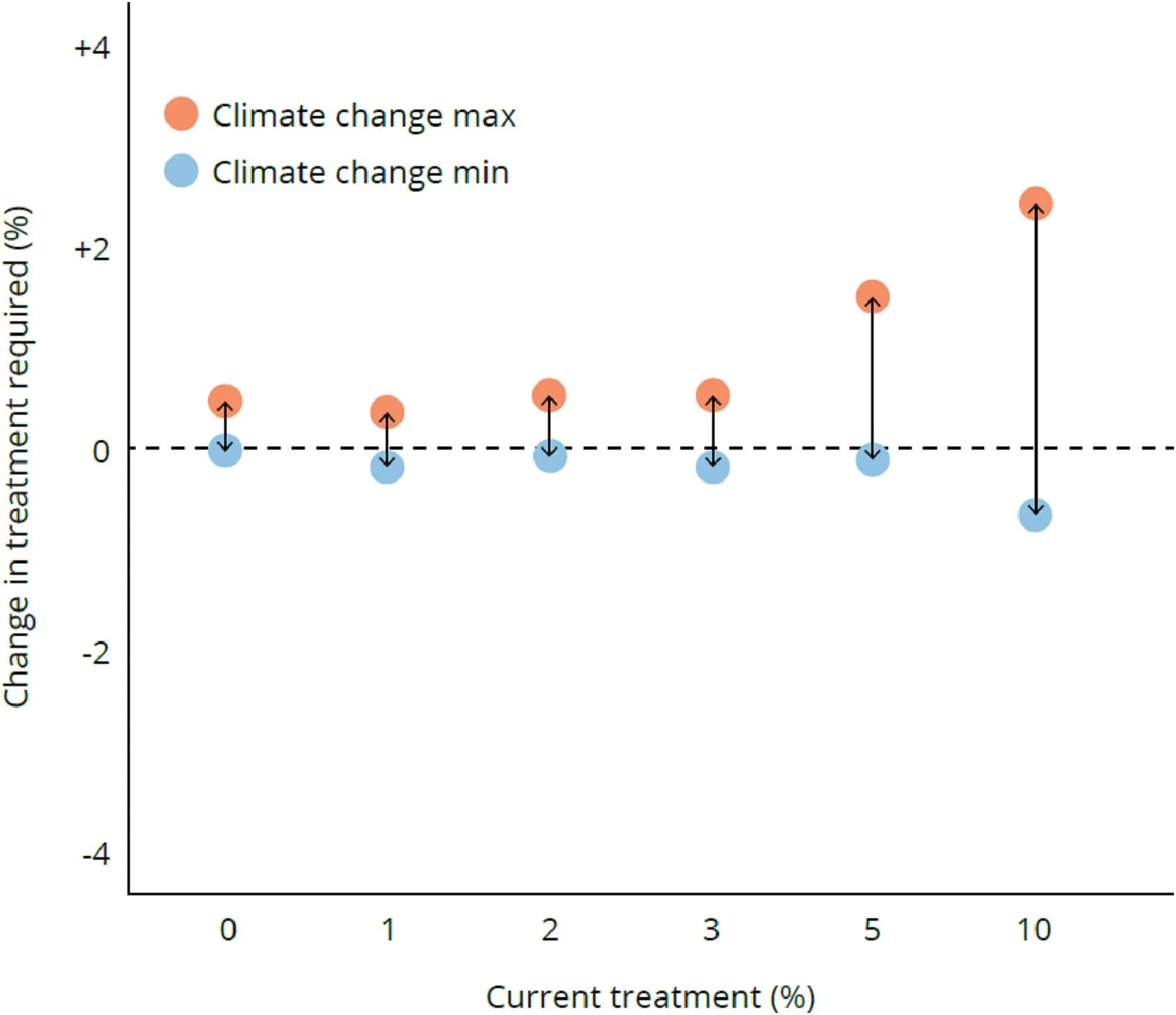
Precision Data Visualization: Dot Plots in Quantitative Biology and Statistical Analysis
Master dot plot creation for precise data visualization and statistical comparison through real examples from Nature, Cell, and leading journals. Learn individual data representation, statistical overlay, and visual clarity.

Beyond Venn Diagrams: Why & When to Use UpSet Plots for Complex Data
Discover why UpSet plots outperform Venn diagrams for visualizing 4+ set intersections. Learn when to switch, how to create publication-quality plots in R/Python, and explore real examples from Nature Genetics and Cell.
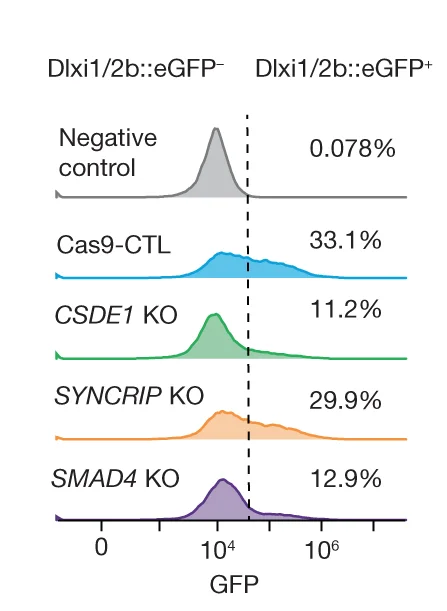
Distribution Comparison Excellence: Ridgeline Plots in Density Analysis and Group Comparison
Master ridgeline plot creation for distribution comparison and density visualization through real examples from Nature, Cell, and leading journals. Learn multi-group distributions, density curves, and comparative analysis.