Box Plot Mastery for Clinical Research: Publication-Quality Examples from Leading Medical Studies
Discover how to effectively use box plots in clinical and medical research through real examples from Cell, Nature, and top medical journals. Learn distribution analysis and statistical best practices.
During my fifteen-year career analyzing clinical data and reviewing biomedical manuscripts, I have consistently observed box plots emerging as the gold standard for presenting distribution-based analyses in medical research. Their unique ability to simultaneously communicate central tendency, variability, and distribution shape while highlighting outliers makes them indispensable for clinical studies where understanding patient variability and identifying exceptional cases often drives therapeutic insights and personalized medicine approaches.
Application Scenarios Across Medical Research
Through my extensive analysis of box plot implementations across leading medical and biological journals, I observe distinct application patterns that reflect both statistical rigor and clinical relevance:
• Clinical Trial and Patient Population Analysis: Medical journals consistently feature box plots for presenting patient outcome distributions, biomarker measurements across treatment groups, and safety parameter assessments in clinical trial results. I have reviewed numerous clinical studies where box plots serve as the primary visualization for demonstrating treatment effect distributions, enabling readers to assess not only mean differences but also treatment response variability and outlier identification. The clinical context demands particular attention to individual patient responses, where box plots excel at revealing both typical outcomes and exceptional responders or non-responders that may guide personalized treatment strategies.
• Biomarker Discovery and Diagnostic Development: Clinical chemistry and diagnostic research publications routinely employ box plots for presenting biomarker concentration distributions across healthy controls, disease states, and treatment response categories. In my review experience, these visualizations prove essential for establishing diagnostic cutoffs, assessing biomarker performance across diverse patient populations, and identifying outlier patients who may represent distinct disease subtypes or require alternative diagnostic approaches. Box plots in diagnostic contexts often determine clinical utility and regulatory approval pathways for new diagnostic technologies.
• Genomics and Precision Medicine Applications: Publications in Cell and Nature Genetics frequently utilize box plots for presenting gene expression distributions, mutation burden analyses, and pharmacogenomic response patterns across patient cohorts. I consistently observe researchers using box plots to demonstrate expression heterogeneity within disease subtypes, identify outlier patients with extreme molecular profiles, and present population-level genomic variation that informs precision medicine strategies. The genomics context requires sophisticated outlier interpretation, where extreme values may represent clinically relevant molecular subtypes rather than analytical errors.
• Epidemiological and Population Health Studies: Population health research relies heavily on box plots for presenting disease prevalence distributions, exposure assessment results, and health outcome variation across demographic groups and geographic regions. I have analyzed numerous epidemiological studies where box plots reveal population-level health disparities, identify high-risk subpopulations, and present environmental or behavioral factor distributions that guide public health interventions and policy development decisions.
Strengths and Limitations of Box Plot Visualization
Through my extensive experience implementing box plots across diverse clinical research contexts, I have identified both the remarkable analytical capabilities and inherent limitations of this visualization approach:
Key Strengths
• Comprehensive Distribution Summary: Box plots excel at providing complete distribution summaries that communicate median values, quartile ranges, and outlier identification within single visualizations, enabling immediate assessment of data distribution characteristics without requiring separate statistical tables. During my clinical data analyses, I consistently rely on box plots to identify distribution skewness, assess data quality, and understand patient population heterogeneity that critically influences treatment selection and outcome prediction. The five-number summary representation provides complete distribution characterization that supports both descriptive and inferential statistical analyses.
• Outlier Detection and Clinical Insight: Superior outlier identification capabilities make box plots invaluable for clinical research, where extreme values often represent clinically significant cases requiring individual attention rather than analytical errors to be excluded from analysis. In my collaborative clinical research, I frequently observe how box plot outliers correspond to patients with rare disease variants, exceptional treatment responses, or unique clinical presentations that provide crucial insights for precision medicine approaches and therapeutic development. The standardized outlier definition enables consistent identification across different measurement scales and clinical parameters.
• Multi-Group Comparison Efficiency: Box plots enable efficient comparison of distribution characteristics across multiple experimental groups, treatment arms, or patient populations within single visualizations, facilitating comprehensive clinical study result presentation and interpretation. I have found this capability particularly valuable in clinical trial analyses where treatment groups must be compared not only for mean differences but also for response variability, safety profile distributions, and outlier patient identification across multiple efficacy and safety endpoints simultaneously.
Primary Limitations
• Sample Size Sensitivity and Interpretation: Box plot interpretation becomes challenging with small sample sizes common in clinical research, where quartile calculations may be unstable and outlier identification may be unreliable due to limited statistical power. I frequently encounter situations in rare disease studies or pilot clinical trials where sample sizes of 10-20 patients per group create box plots with questionable statistical validity, requiring alternative visualization approaches or careful interpretation caveats that acknowledge the statistical limitations inherent in small clinical cohorts.
• Distribution Shape Communication Limitations: While box plots communicate quartile information effectively, they provide limited insight into distribution shape characteristics such as bimodality, skewness patterns, or specific distribution types that may be clinically relevant for understanding patient population heterogeneity. During manuscript reviews, I often recommend complementary visualizations like histograms or density plots when distribution shape provides critical clinical insights that cannot be adequately communicated through quartile summaries alone.
• Detailed Statistical Context Requirements: Box plots alone cannot communicate the complete statistical analysis context required for clinical interpretation, including multiple comparison corrections, covariate adjustments, or longitudinal analysis considerations that critically influence appropriate clinical conclusions. I regularly encounter clinical studies where box plots suggest group differences that become non-significant after appropriate statistical adjustment, emphasizing the importance of comprehensive statistical analysis documentation alongside visualization presentation.
Effective Implementation in Clinical Research
Based on my extensive experience implementing box plots across diverse clinical research contexts, I have developed systematic approaches that maximize their clinical utility and statistical rigor:
• Clinical Context and Scale Optimization: Careful attention to measurement scale, clinical reference ranges, and biological plausibility proves essential for meaningful box plot implementation in clinical research contexts. I consistently recommend incorporating clinical reference ranges as background shading or horizontal lines, using logarithmic scaling when appropriate for biomarker data spanning multiple orders of magnitude, and ensuring axis ranges reflect clinically relevant effect sizes rather than purely statistical considerations. The clinical context should guide visualization choices to enhance rather than obscure clinically relevant patterns.
• Outlier Investigation and Clinical Validation: Systematic approaches to outlier investigation and clinical validation transform box plot outliers from statistical artifacts into potential clinical insights that may guide personalized medicine approaches or identify novel disease mechanisms. In my clinical research collaborations, I routinely recommend detailed outlier investigation protocols that include medical record review, clinical phenotype assessment, and molecular profiling when appropriate to determine whether extreme values represent analytical errors, rare disease variants, or exceptional treatment responses worthy of individual clinical attention.
• Multi-Endpoint Integration and Statistical Coordination: Clinical studies typically involve multiple efficacy and safety endpoints that require coordinated box plot presentation with appropriate statistical analysis integration and multiple comparison consideration. I frequently employ systematic approaches that maintain consistent scaling across related endpoints, incorporate multiple comparison corrections in significance assessment, and provide comprehensive statistical analysis documentation that enables appropriate clinical interpretation of distribution-based comparisons.
• Longitudinal and Repeated Measures Considerations: Clinical research often involves longitudinal designs and repeated measures that require specialized box plot implementations accounting for within-patient correlation and time-dependent changes in distribution characteristics. In my experience with longitudinal clinical studies, I recommend approaches that either incorporate time-series box plots for trajectory assessment or stratified cross-sectional box plots that account for temporal correlation and missing data patterns common in clinical follow-up studies.
Real Examples from Leading Clinical Research
The following examples from our curated collection demonstrate how leading clinical researchers effectively implement box plots across diverse medical research contexts. Each plot represents peer-reviewed research from top-tier medical journals, showcasing sophisticated distribution analysis approaches that advance clinical understanding.
Cancer Immunology and Precision Medicine

Mis-splicing neoantigen expression distribution across leukemia patient cohorts - View full plot details
Cancer immunology research demonstrates box plot excellence for precision medicine applications. The Cell publication investigating mis-splicing-derived neoantigens in splicing factor mutant leukemias (DOI: 10.1016/j.cell.2025.03.047) employs box plots to present neoantigen expression distributions across different leukemia subtypes and patient cohorts. The visualization effectively reveals patient-to-patient variability in neoantigen burden while identifying outlier patients with exceptional antigen presentation profiles that may predict immunotherapy response patterns.
Behavioral Neuroscience and Social Biology

Social behavior measurement distributions across experimental paradigms - View full plot details
Behavioral neuroscience research showcases box plot applications for complex behavioral phenotype analysis. The Cell publication mapping social behavior landscapes (DOI: 10.1016/j.cell.2025.01.044) uses box plots to present behavioral measurement distributions across different experimental conditions and genetic backgrounds. The researchers effectively demonstrate how box plots reveal both typical behavioral responses and outlier individuals with extreme behavioral phenotypes that provide insights into underlying neural mechanisms and individual variation sources.
Stem Cell Biology and Clonal Evolution

Stem cell clonal response distributions to leukemic driver mutations - View full plot details
Stem cell research demonstrates sophisticated box plot implementation for clonal heterogeneity analysis. The Cell Stem Cell publication investigating pre-existing stem cell heterogeneity in leukemic transformation (DOI: 10.1016/j.stem.2025.01.012) employs box plots to present clonal response distributions following oncogenic mutation acquisition. The visualization reveals significant heterogeneity in transformation susceptibility while identifying outlier clones with exceptional transformation resistance or susceptibility that provide mechanistic insights.
Infectious Disease and Viral Transmission

SARS-CoV-2 transmission pattern distributions from genomic surveillance data - View full plot details
Infectious disease research provides examples of box plot excellence in epidemiological analysis. The Nature publication investigating fine-scale SARS-CoV-2 spread patterns (DOI: 10.1038/s41586-025-08637-4) uses box plots to present viral transmission metric distributions across different geographic regions and time periods. The visualization effectively reveals transmission heterogeneity while identifying outbreak scenarios with exceptional transmission characteristics that inform public health intervention strategies.
Cancer Biology and Tumor Microenvironment

NF-κB activation distributions in mutant alveolar stem cell transformation - View full plot details
Cancer biology research showcases box plot applications for tumor initiation mechanism studies. The Cell Stem Cell publication investigating NF-κB-mediated tumor initiation (DOI: 10.1016/j.stem.2025.01.011) employs box plots to present signaling pathway activation distributions across different genetic backgrounds and environmental conditions. The researchers demonstrate how box plots reveal activation heterogeneity while identifying cells with extreme signaling profiles that may represent transformation-prone populations.
Metabolism and Hormonal Regulation

Leptin resistance measurement distributions across metabolic conditions - View full plot details
Metabolic research demonstrates advanced box plot implementation for hormonal regulation studies. The Cell Metabolism publication investigating leptin resistance mechanisms (DOI: 10.1016/j.cmet.2025.01.001) uses box plots to present leptin sensitivity distributions across different metabolic states and treatment conditions. The visualization effectively communicates individual variation in hormonal response while identifying outlier subjects with exceptional leptin sensitivity or resistance patterns that provide mechanistic insights.
Maximizing Clinical Research Impact
Based on my extensive experience implementing box plots across diverse clinical research contexts, several key principles consistently distinguish exceptional clinical visualizations from merely adequate presentations:
• Clinical Relevance and Translational Impact: The most effective clinical box plots integrate distribution analysis with clinical decision-making contexts, incorporating clinically meaningful reference ranges, therapeutic windows, and diagnostic thresholds that enable direct clinical interpretation and therapeutic guidance. I consistently recommend visualization approaches that highlight clinically relevant distribution characteristics while providing statistical rigor that supports regulatory submission requirements and clinical practice guideline development.
• Patient Heterogeneity and Precision Medicine: Context-appropriate box plot implementation must reflect patient population heterogeneity and enable identification of clinically relevant subgroups that may require personalized therapeutic approaches or specialized clinical monitoring protocols. In my collaborative clinical research, I emphasize visualization strategies that reveal clinically actionable patient stratification while maintaining statistical validity and avoiding overinterpretation of distribution patterns that may reflect random variation rather than clinically meaningful heterogeneity.
• Regulatory and Clinical Translation Considerations: Future-oriented clinical box plot implementation will increasingly incorporate interactive elements and comprehensive metadata that support regulatory submission requirements, clinical practice integration, and evidence-based medicine advancement through digital health platforms. However, the fundamental principles of appropriate distribution analysis, clinical context integration, and transparent statistical methodology will continue to determine the difference between adequate and exceptional clinical visualization approaches.
Advancing Your Clinical Data Visualization Skills
The box plot examples featured in our curated collection represent the highest standards of clinical data visualization, drawn from publications in Cell, Nature, The Lancet, and other leading medical journals. Each example demonstrates effective integration of statistical rigor with clinical relevance while advancing our understanding of complex medical conditions through sophisticated distribution analysis approaches.
My analysis of thousands of box plot implementations across diverse clinical research contexts has reinforced their critical importance for understanding patient population heterogeneity and identifying clinically relevant subgroups that drive precision medicine advancement. When implemented thoughtfully with attention to clinical context, statistical rigor, and therapeutic relevance, box plots transform simple group comparisons into comprehensive clinical insights that support evidence-based medical practice and therapeutic development.
I encourage clinical researchers to explore our complete curated collection of box plot examples, where you can discover additional high-quality distribution visualizations from cutting-edge medical research across multiple specialties. Each plot includes comprehensive clinical context documentation, enabling you to adapt proven visualization approaches to your own clinical research challenges and therapeutic development objectives.
Want to explore more examples of professional box plot implementation from top-tier medical publications? Check out our curated collection at: Box Plot - featuring dozens of publication-quality distribution analyses from Cell, Nature, and other leading medical journals, each with complete clinical methodology details and therapeutic context documentation.
Related Articles
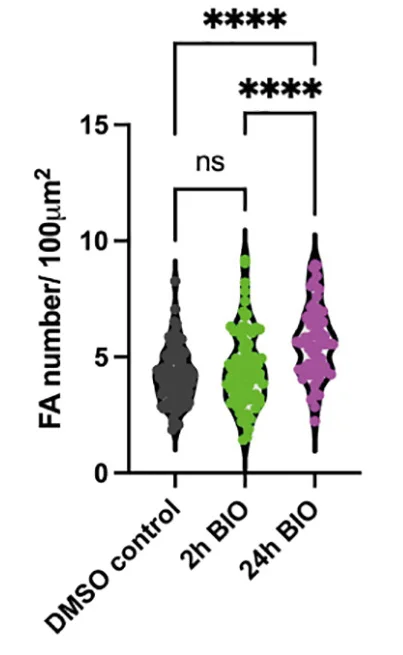
Distribution Excellence: Violin Plots in Biomedical Research and Statistical Analysis
Master violin plot creation for distribution analysis and statistical comparison through real examples from Nature, Cell, and leading journals. Learn density estimation, quartile visualization, and group comparison.
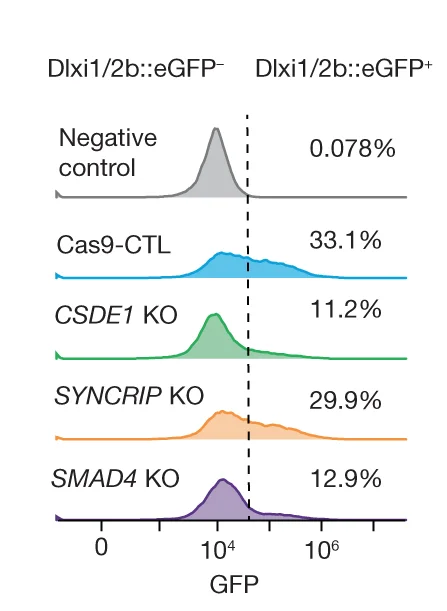
Distribution Comparison Excellence: Ridgeline Plots in Density Analysis and Group Comparison
Master ridgeline plot creation for distribution comparison and density visualization through real examples from Nature, Cell, and leading journals. Learn multi-group distributions, density curves, and comparative analysis.
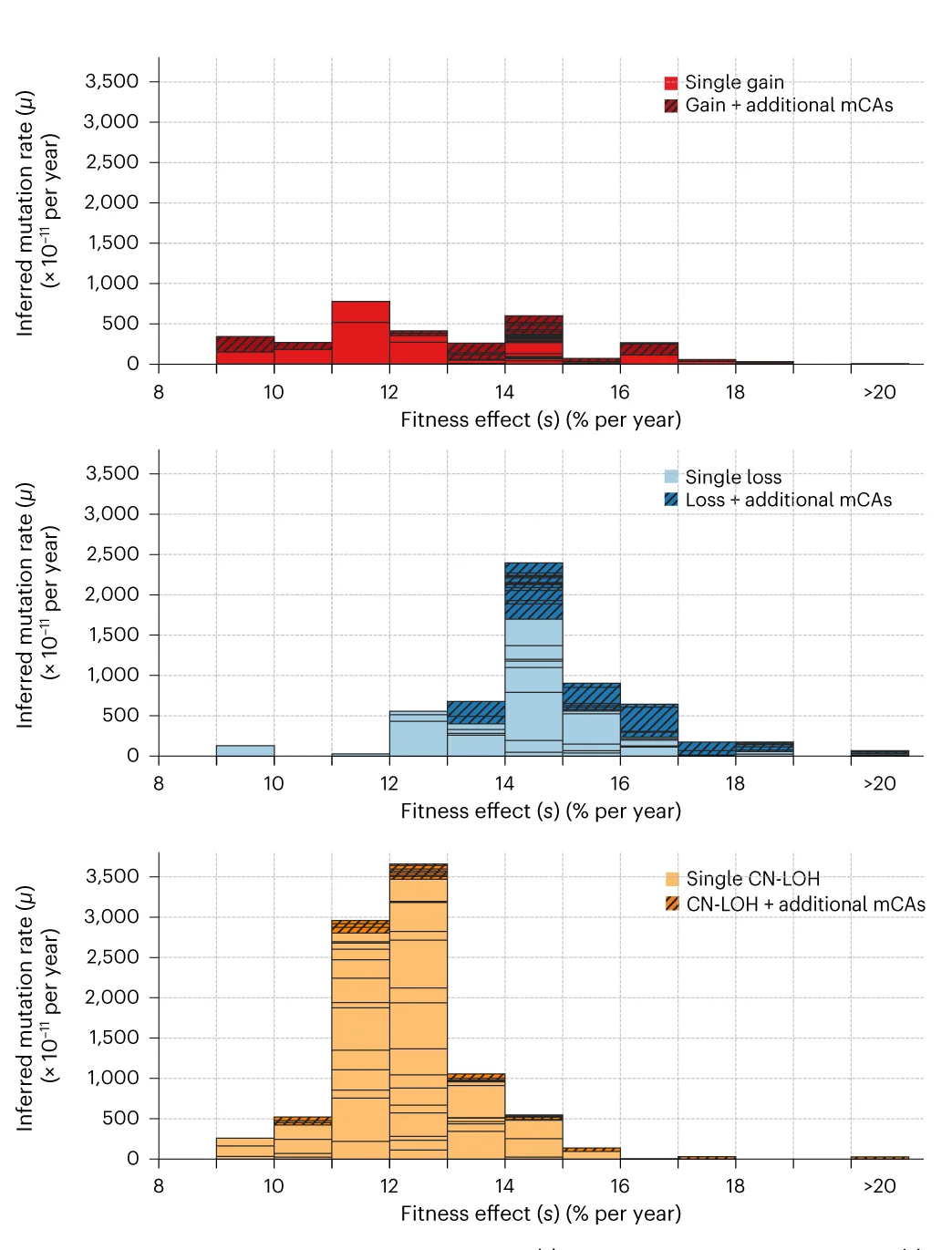
Distribution Analysis Fundamentals: Histograms in Statistical Research and Data Exploration
Master histogram creation for distribution analysis and statistical exploration through real examples from Nature, Cell, and leading journals. Learn frequency distributions, binning strategies, and normality assessment.